

In modern industrial manufacturing, laser marking has become a standard process for product identification, traceability, and branding. However, different materials react differently to laser energy. Choosing the correct laser type is essential to achieve high-quality marking results without damaging the surface.
Among the most widely used technologies, fiber laser, CO₂ laser, and UV laser each serve specific material categories. Understanding their differences helps manufacturers improve efficiency, reduce defects, and ensure stable production quality.
Fiber Laser marking machines are widely recognized as the best solution for metal processing. They operate at a wavelength that is highly absorbed by metallic surfaces, making them extremely efficient for engraving and marking.
This technology is commonly used on stainless steel, carbon steel, aluminum, brass, and other industrial metals. The laser beam interacts directly with the surface, creating permanent marks through oxidation, engraving, or color change depending on the settings.
One of the key advantages of fiber laser marking is its high precision. Even extremely small logos, serial numbers, or QR codes can be marked clearly without distortion. In addition, the process is fast and suitable for large-scale industrial production.
Fiber lasers are also highly durable and require minimal maintenance, which makes them a preferred choice in automotive, machinery, and electronics manufacturing industries.
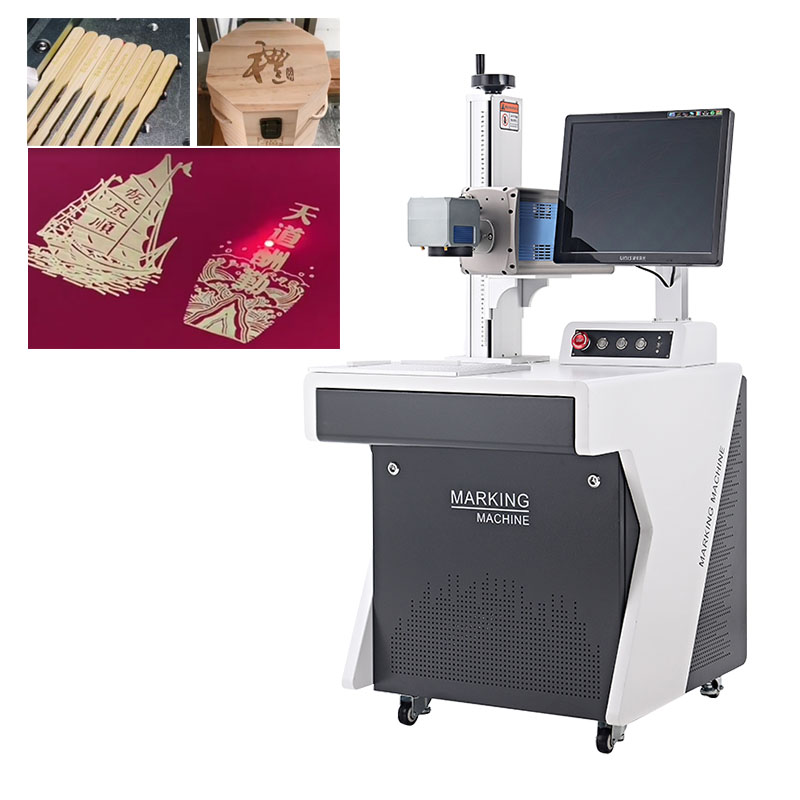
CO₂ laser marking machines are particularly effective for non-metal materials, especially plastics, wood, leather, and paper-based products. They work by emitting a longer wavelength that is strongly absorbed by organic materials.
In plastic processing, CO₂ lasers are widely used for packaging materials, product labeling, and industrial coding applications. Common materials include PET bottles, PVC, acrylic, and various packaging films.
The laser energy vaporizes the surface layer of the plastic, creating clear and high-contrast marks without the need for ink or consumables. This makes CO₂ laser marking an environmentally friendly and cost-efficient solution.
However, different plastics react differently to laser energy. Some materials may darken, while others may slightly melt or foam depending on the laser parameters. Therefore, proper calibration is essential to achieve consistent results.
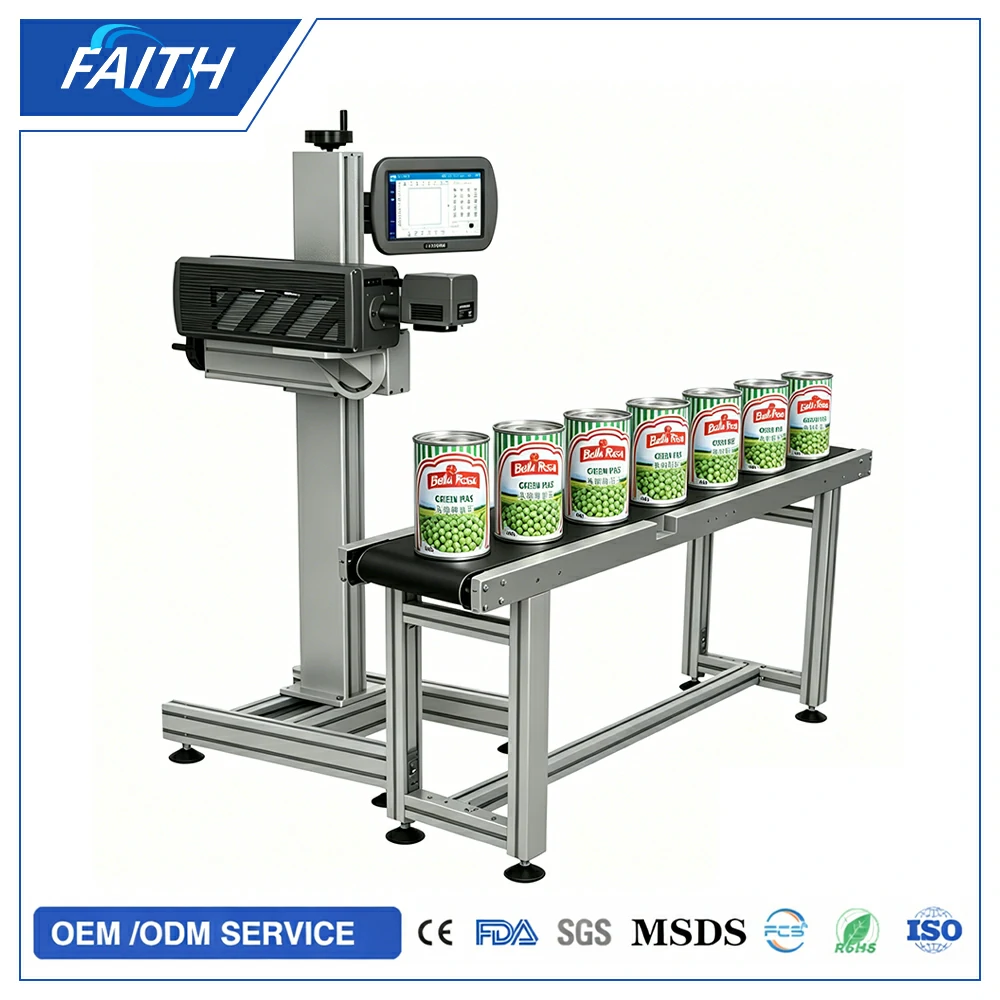
CO₂ laser systems are widely used in food packaging, beverage industries, and industrial labeling applications where speed and reliability are critical.
UV laser marking machines are designed for high-precision processing of heat-sensitive and fragile materials, especially glass. Unlike fiber and CO₂ lasers, UV lasers operate with a shorter wavelength, which allows “cold processing” with minimal thermal impact.
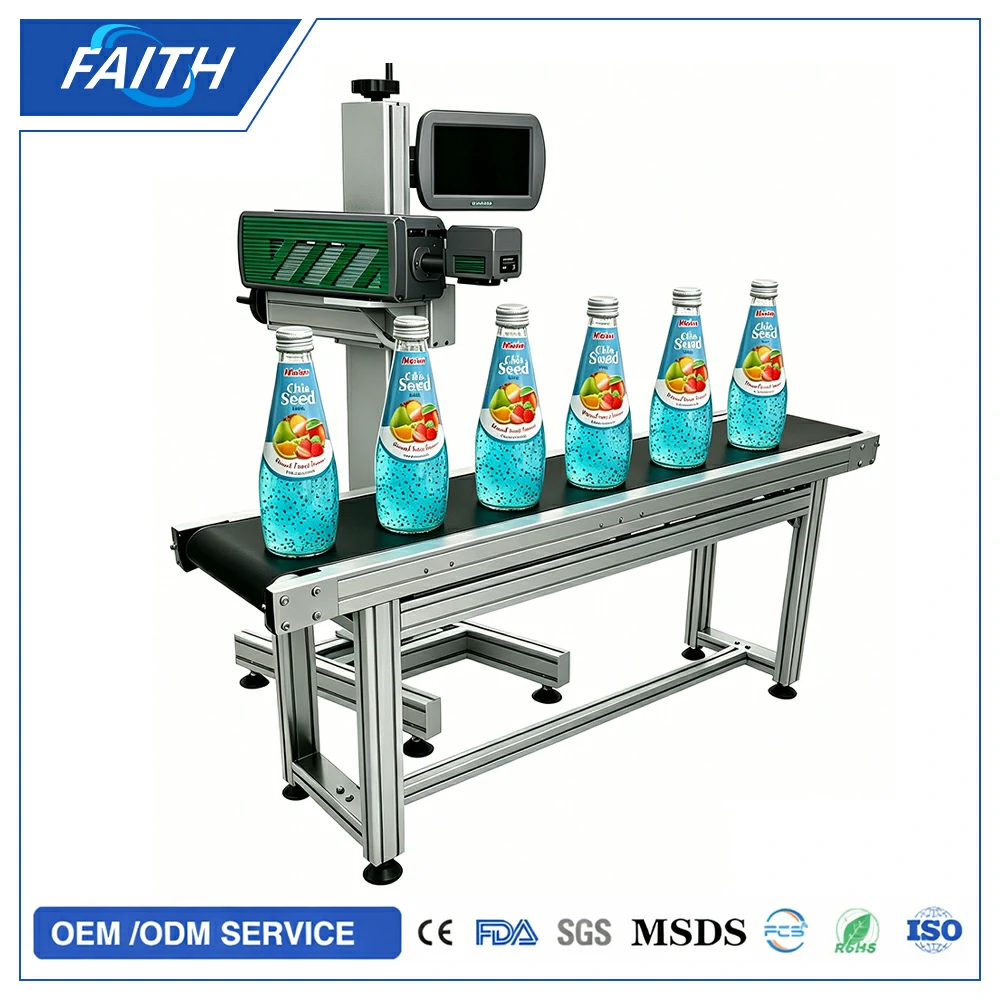
This makes UV laser technology ideal for glass bottles, cosmetic containers, medical glassware, and laboratory equipment. The marking process does not cause cracks, deformation, or overheating, which is crucial for delicate materials.
UV laser marking creates extremely fine and high-contrast results, even on transparent or coated glass surfaces. It is commonly used for serial numbers, QR codes, and branding logos in industries where product appearance and precision are important.
In addition to glass, UV lasers are also suitable for some plastics and sensitive electronic components that require ultra-fine marking without material damage.
Choosing the correct laser type based on material is essential for achieving optimal performance. Using the wrong laser system may result in poor marking quality, surface damage, or inefficient production.
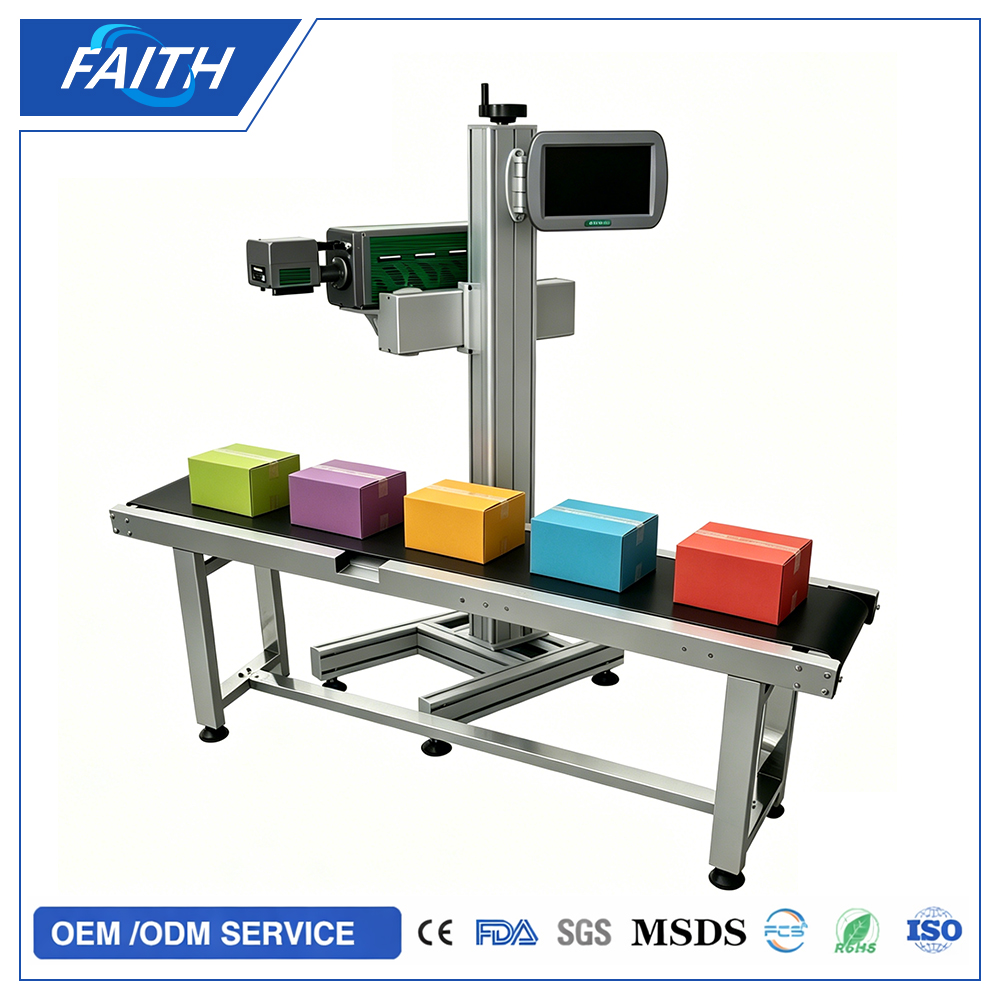
Fiber lasers deliver the best results on metals due to their strong energy absorption. CO₂ lasers are more suitable for organic and non-metal materials like plastics. UV lasers provide unmatched precision for fragile and heat-sensitive surfaces such as glass.
By matching the correct laser technology with the right material, manufacturers can significantly improve product quality, production efficiency, and long-term operational stability.
Laser marking technology is not a one-size-fits-all solution. Each material requires a different wavelength and processing method to achieve the best result.
Fiber laser marking is the ideal choice for metal applications, CO₂ laser marking performs best on plastic and organic materials, while UV laser marking is specifically designed for glass and delicate surfaces.
Understanding these differences allows manufacturers to select the right equipment, reduce production errors, and achieve consistent marking quality across different industries.
Please leave the message you want to inquiry. We will reply you as soon as possible within 24 hours.
Please leave the message you want to inquiry. We will reply you as soon as possible within 24 hours.