

In many metal workshops, marking is not the difficult part. Moving the part is.
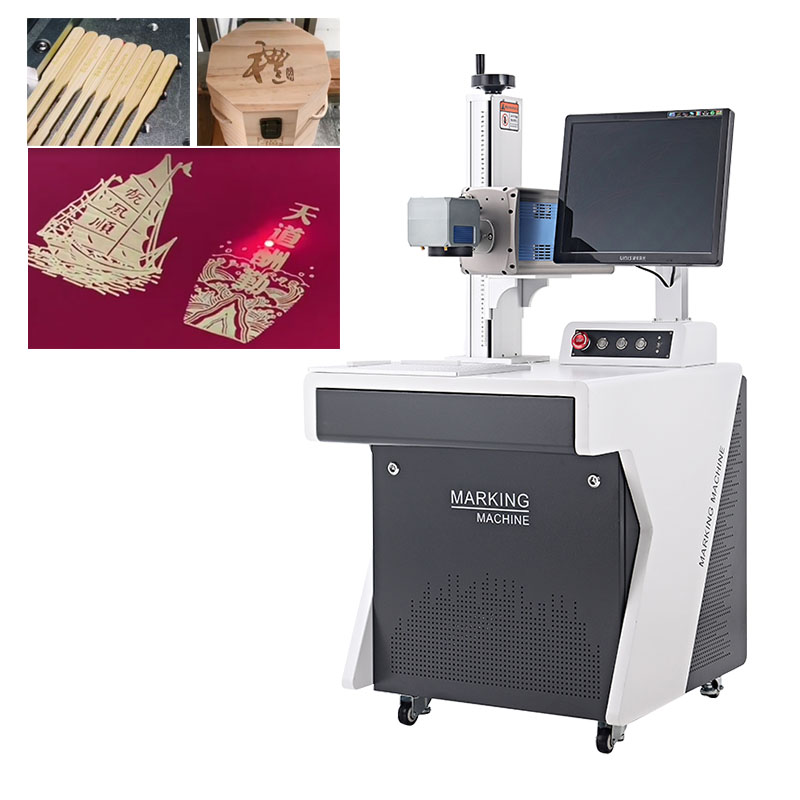
For small metal plates, tools, nameplates or electronic parts, a desktop Fiber laser marking machine is usually enough. The operator puts the part on the worktable, adjusts the focus and finishes the marking. This kind of job is simple because the product can be moved easily.
Large metal parts are a different story.
A mold may weigh hundreds of kilograms. A stainless steel pipe may be 3 meters, 6 meters or even longer. A pressure vessel may already be placed in the workshop after welding or inspection. A machine frame may be too large, too heavy or too irregular to put on a normal marking table.
In some factories, the marking content is only one mold number, one batch code or one line of technical data. The laser may finish the mark in less than one minute. But before that, workers may need to find a forklift, arrange a crane, move other products away, or ask another worker to help position the part.
This is where the real time is lost.
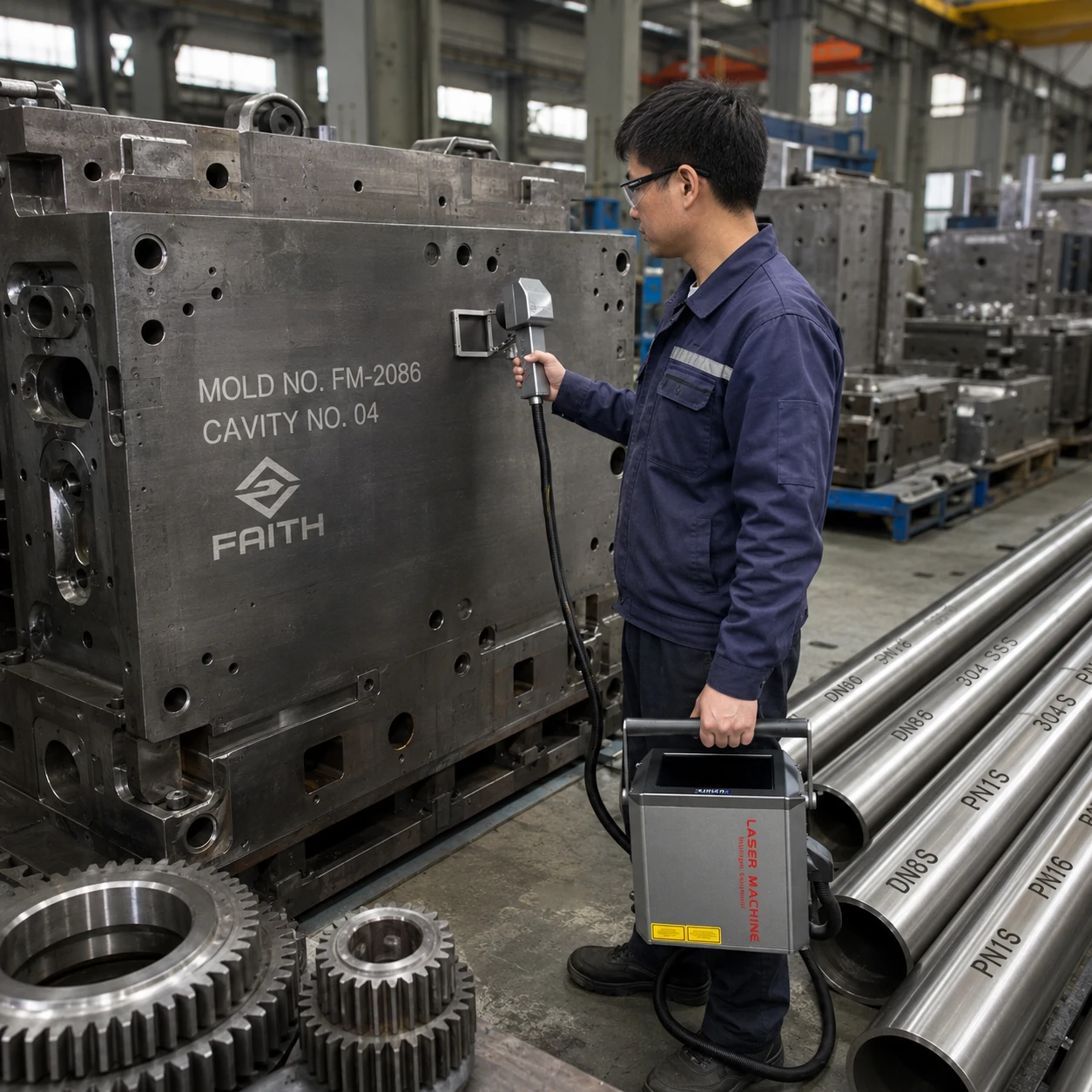
That is also why more mold factories, pipe factories and metal processing workshops are choosing handheld fiber laser marking machines. The machine changes the working method. The product does not need to come to the marking table. The operator takes the handheld marking head to the product.
For mold factories, this is very practical. Injection molds, die casting molds and stamping molds are not products that workers want to move many times. Some molds are already installed near the production line. Some have just finished testing. Some only need to add a repair record, cavity number or customer mark before delivery.
In this case, removing the mold just for marking is not worth it. With a handheld fiber laser marking machine, the operator can mark directly on the side surface or another fixed position of the mold. The mark is clear and permanent, which helps workers identify the mold faster during storage, maintenance and production.
Pipe and tube factories face a similar problem, but the difficulty is usually length.
Steel pipes, stainless steel pipes, aluminum pipes, copper pipes and flanges often need material grade, wall thickness, pressure rating, batch number, production date or traceability code. A 6-meter pipe may only need one line of marking near the pipe end. Moving the whole pipe to a desktop machine just for this line is not efficient.
In many workshops, the pipe may already be on a rack, in a storage area or bundled with other pipes. It is much easier to keep the pipe where it is and finish the marking directly with a handheld marking head.
The same problem appears on pressure vessels, valves, welded parts, steel plates, machine frames and repaired metal parts. These products are not always flat. Some have curved surfaces. Some have already been assembled. Some need marking after welding, polishing or surface treatment. A fixed worktable cannot always match these conditions.
Before using laser marking, many factories used stickers, metal tags, ink printing or pneumatic marking.
Stickers are cheap, but they are not always reliable. They may fall off during transportation, especially when the surface has oil, dust or anti-rust coating. Ink printing is easy to operate, but on metal parts it may fade after friction, cleaning, heat or outdoor storage. For products that need long-term identification, this can become a problem later.
Pneumatic marking is another common method. It can make a deeper mark, but it also needs an air compressor, air hose and stable air pressure. In real workshops, the air hose may be dragged around the floor, and pressure is not always stable. If the pressure changes, the marking depth can also change. The noise and vibration are also not ideal for every working area.
Fiber laser marking is cleaner in daily use. It does not need ink, labels, marking needles or compressed air. The operator only needs to set the content, adjust the focus and mark the metal surface. For factories that mark different products every day, reducing these small maintenance problems is important.
In daily work, most customers use handheld fiber laser marking machines for simple but necessary information. This includes serial numbers, batch codes, logos, QR codes, barcodes, size marks, repair records and traceability information. The machine can be used on stainless steel, carbon steel, aluminum, iron, brass, copper and some coated metal surfaces.
The actual applications are very wide. A hardware factory may use it for locks, hinges, handles and tools. A machinery factory may use it for gears, shafts, plates and spare parts. Pipe factories usually care more about material grade, pipe size and batch number. Mold factories often mark mold numbers, cavity numbers and maintenance records. Repair workshops may use it to add identification marks after parts are repaired.
This is why one handheld machine can serve different jobs in the same factory. It is not limited to one product size or one production line. It can be used for production marking, warehouse marking, sample testing, repair marking and small customized orders.
For small and medium factories, this flexibility is useful. If the product shape changes often, or if the order quantity is not large enough for a fully automatic marking system, a handheld machine is easier to arrange.
The touch screen is also helpful for daily operation. Operators can edit content, open saved files and adjust basic parameters directly on the machine. When different products need different model numbers, dates or batch codes, the content can be changed quickly. This is more convenient than preparing a computer every time for small-batch work.
Of course, handheld fiber laser marking is not the best choice for every factory.
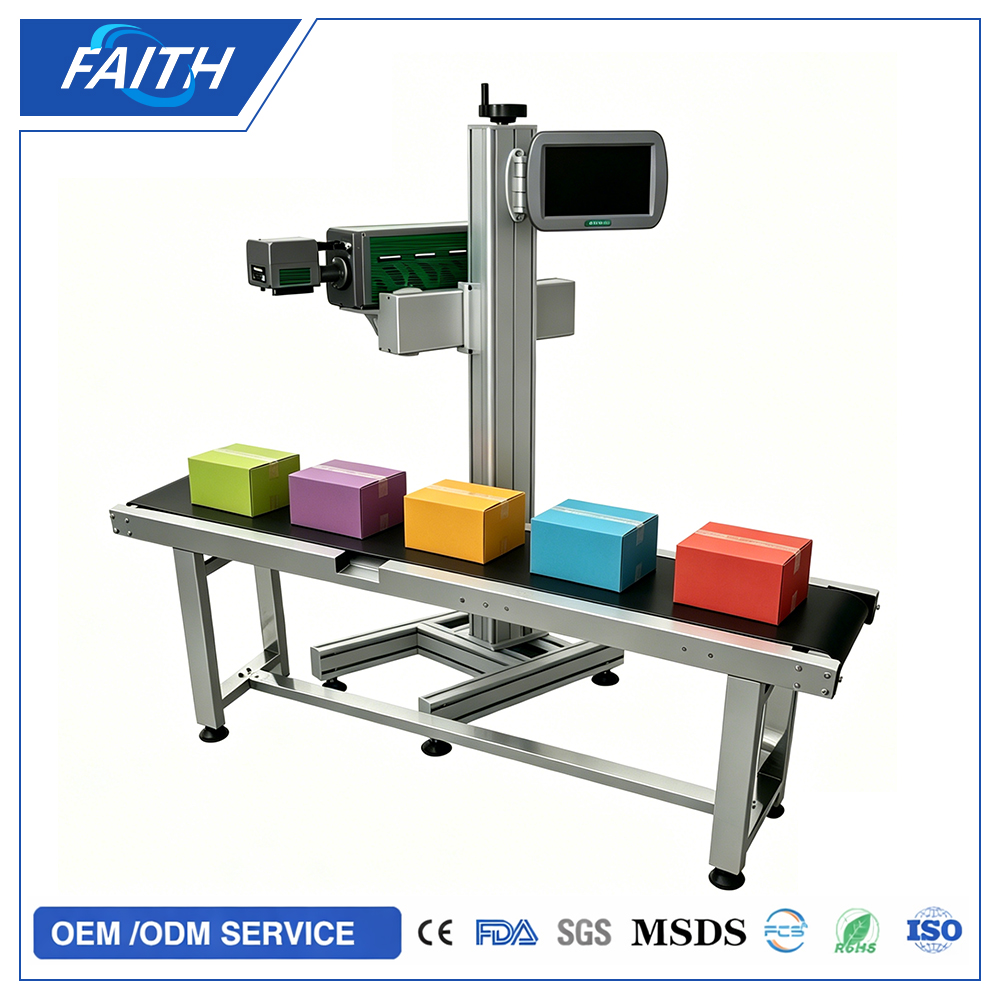
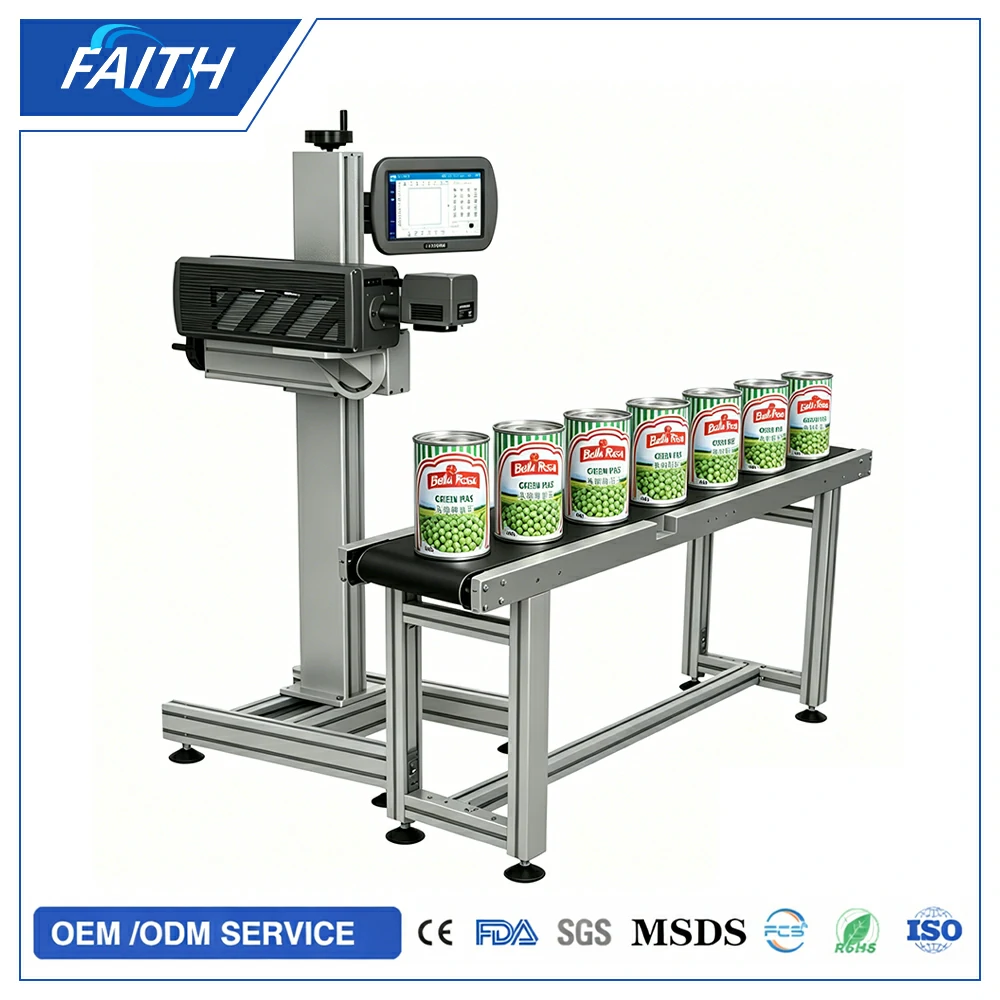
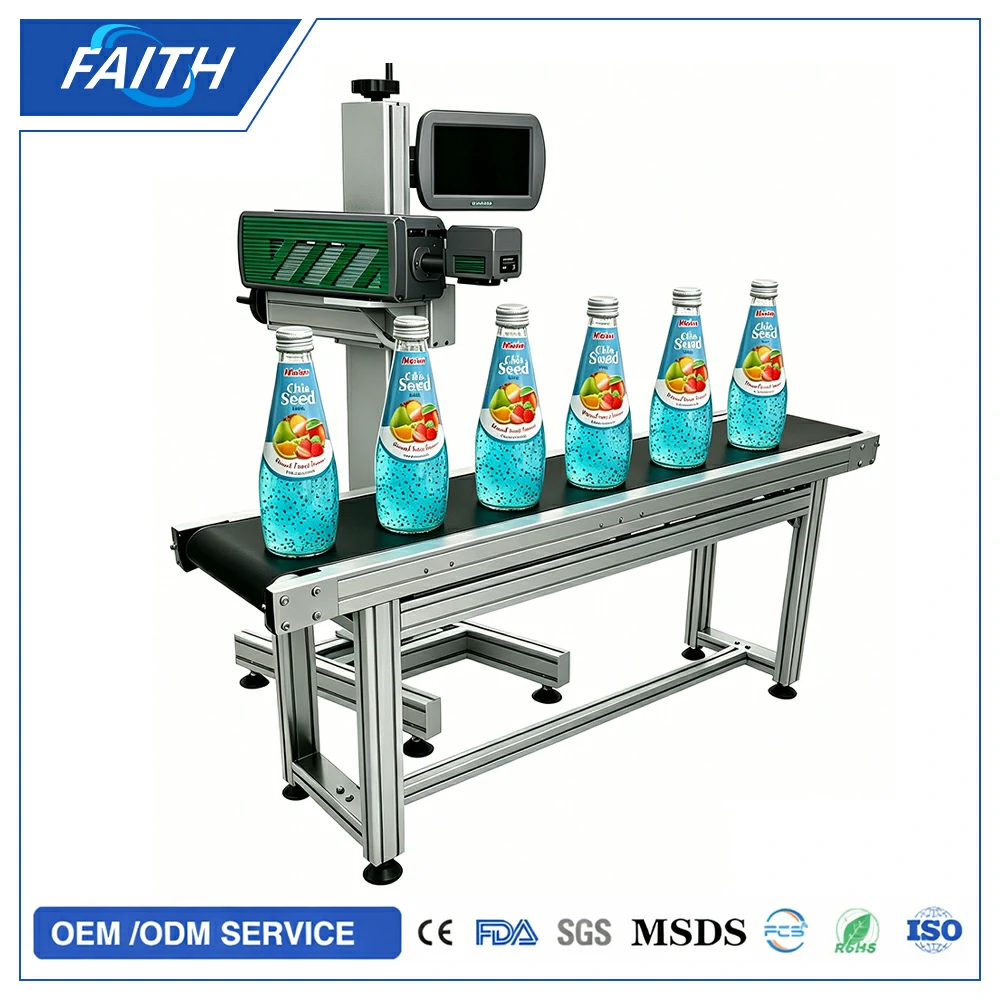
If products need to be marked continuously on a moving production line, an online flying laser marking machine is usually better. If all parts are small, flat and easy to place on a table, a desktop fiber laser marking machine may already be enough.
But for large, heavy, long or irregular metal parts, handheld marking solves a very real problem. It reduces the work around marking, not just the marking time itself.
When choosing a handheld fiber laser marking machine, buyers should not only compare the price. Some machines look similar from the outside, but the daily use can be very different.
Buyers should check the laser power, laser source, marking software, handheld head design, focusing method, cooling system, language support and after-sales service. For round pipes and large molds, the handheld head should be easy to hold and easy to focus. If the focus adjustment is difficult, workers will waste time every day, even if the laser power is enough.
For many metal factories, the machine does not only replace stickers, ink or pneumatic marking. It reduces lifting, moving, waiting and repositioning before marking.
That is usually the part workers care about most.
Please leave the message you want to inquiry. We will reply you as soon as possible within 24 hours.
Please leave the message you want to inquiry. We will reply you as soon as possible within 24 hours.