

In many metal workshops, the hardest part of marking is not the mark itself. It is moving the part.
For small nameplates, tools or electronic parts, a normal desktop Fiber laser marking machine works well. But when the product becomes a mold, a large steel plate, a stainless steel pipe, a pressure vessel or a heavy mechanical part, moving the product to the laser table can become slow, unsafe and expensive.
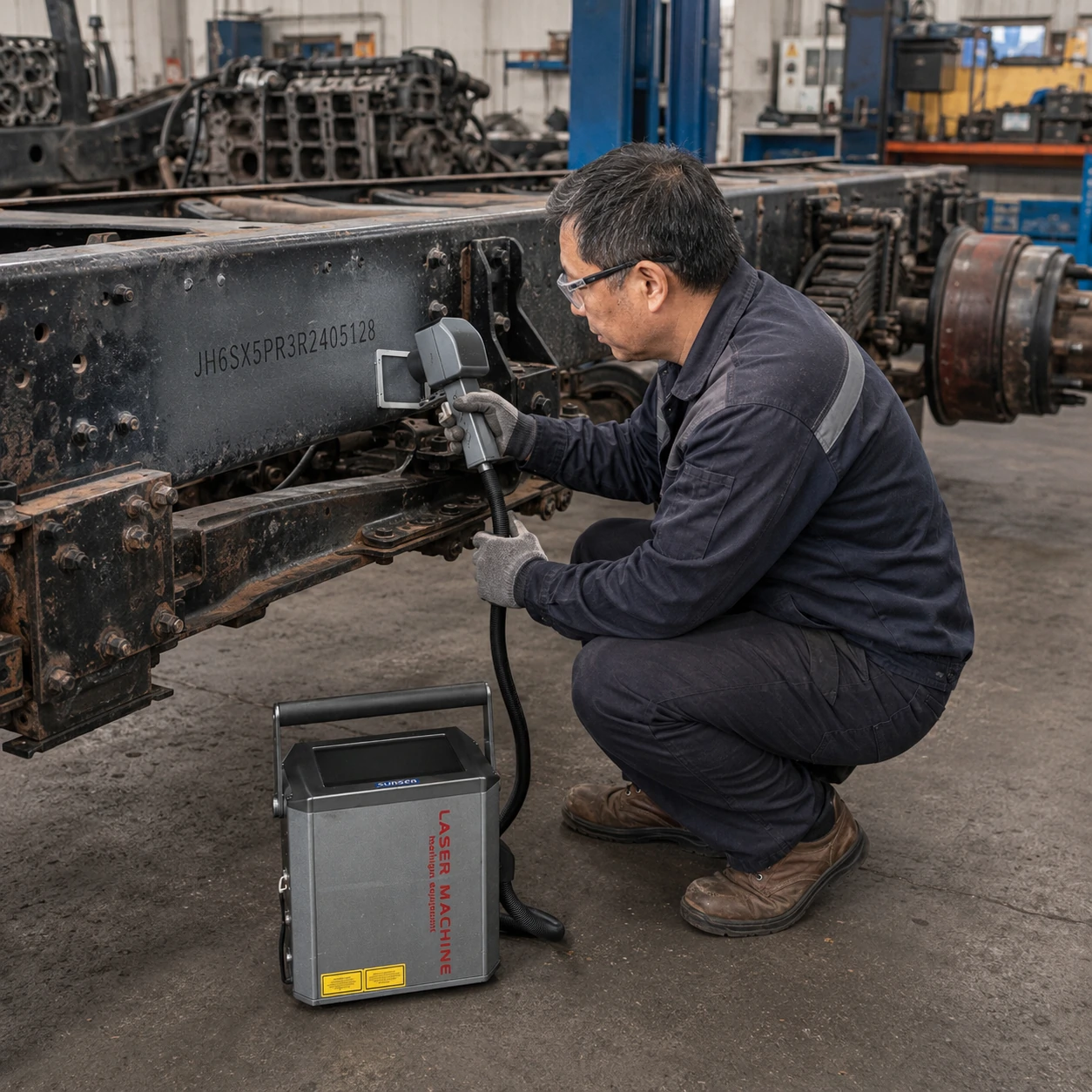
This is why more factories are looking at handheld fiber laser marking machines.
A handheld fiber laser machine changes the working method. Instead of taking the product to the machine, the operator takes the marking head to the product. The machine body can stay beside the work area, while the handheld marking head is used directly on the surface of the metal part. For mold factories, pipe factories, hardware manufacturers and maintenance workshops, this is a very practical solution.
For example, a mold may already be installed on a machine base. If the factory needs to add a mold number, cavity number, production code or customer logo, removing the mold is not always possible. With a handheld laser marking machine, the operator can mark directly on the mold surface. The mark can be clear, permanent and easy to read.
The same situation often happens in pipe and tube production. Stainless steel pipe, carbon steel pipe, aluminum pipe and copper pipe may need to show material grade, diameter, pressure rating, batch number or production date. Traditional labels may fall off during storage or transportation. Ink marks may fade after oil, water or friction. Laser marking creates a permanent mark on the metal surface, which helps improve product traceability.
Compared with pneumatic marking, fiber laser marking also has some obvious advantages. Pneumatic marking needs air pressure, a compressor and regular mechanical maintenance. The mark is made by physical impact, so noise and vibration are common. Laser marking does not need consumables, ink or air pressure. It marks by laser energy, so the process is cleaner and more stable.
For many buyers, the most important point is marking quality. A good handheld fiber laser machine can mark text, numbers, logos, QR codes, barcodes and simple graphics. On stainless steel, aluminum, iron, brass, copper and many coated metal surfaces, the result can be dark, sharp and long lasting. This is very useful for parts identification, anti-counterfeit codes and industrial traceability.
Another reason buyers choose this type of machine is flexibility. One machine can be used for molds, metal plates, pipes, valves, flanges, gears, tools, hinges, locks, handles, plumbing hardware and machine parts. For small and medium factories, this means the machine is not limited to one product line. It can be used in production, warehouse marking, maintenance, sample testing and customized orders.
The built-in touch screen control system also makes daily operation easier. Operators can edit marking content, adjust parameters and switch files without using a complicated computer every time. For factories with many product models, this saves time. When the customer needs to mark different model numbers or batch codes, the operator can change the content quickly.
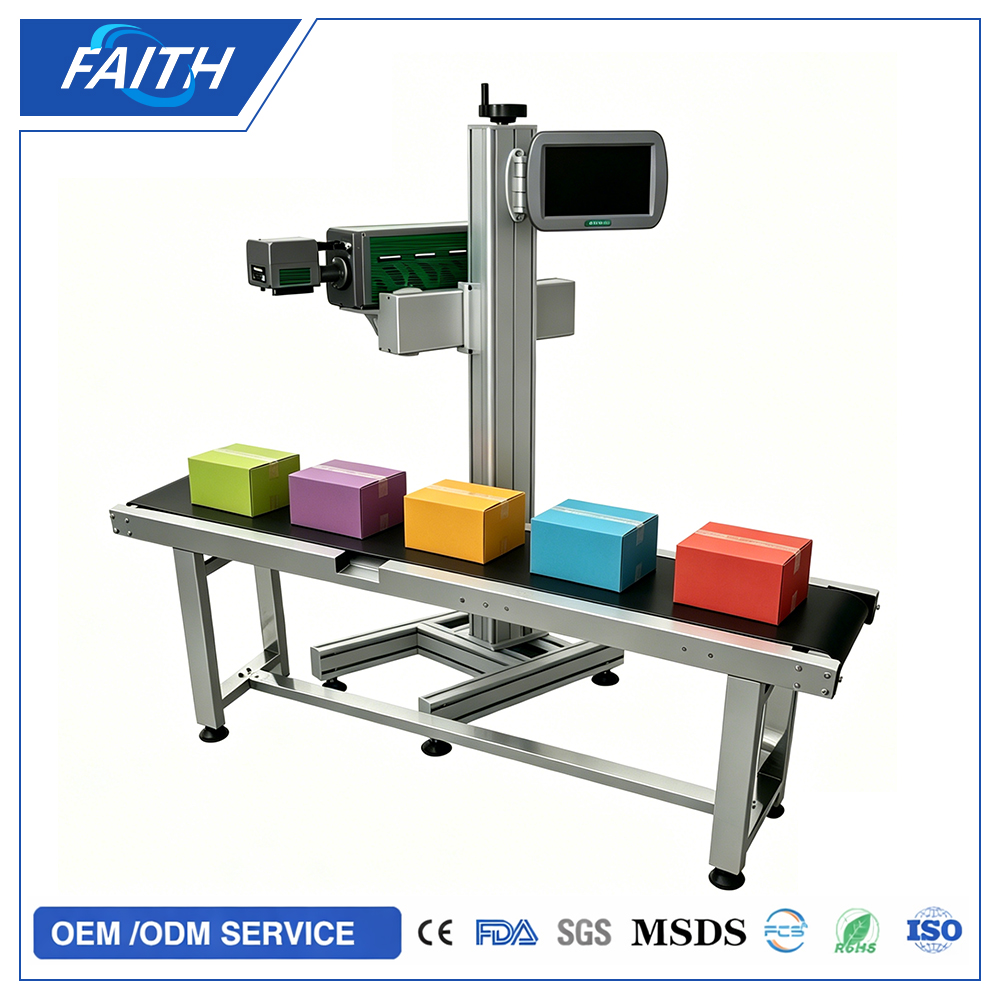
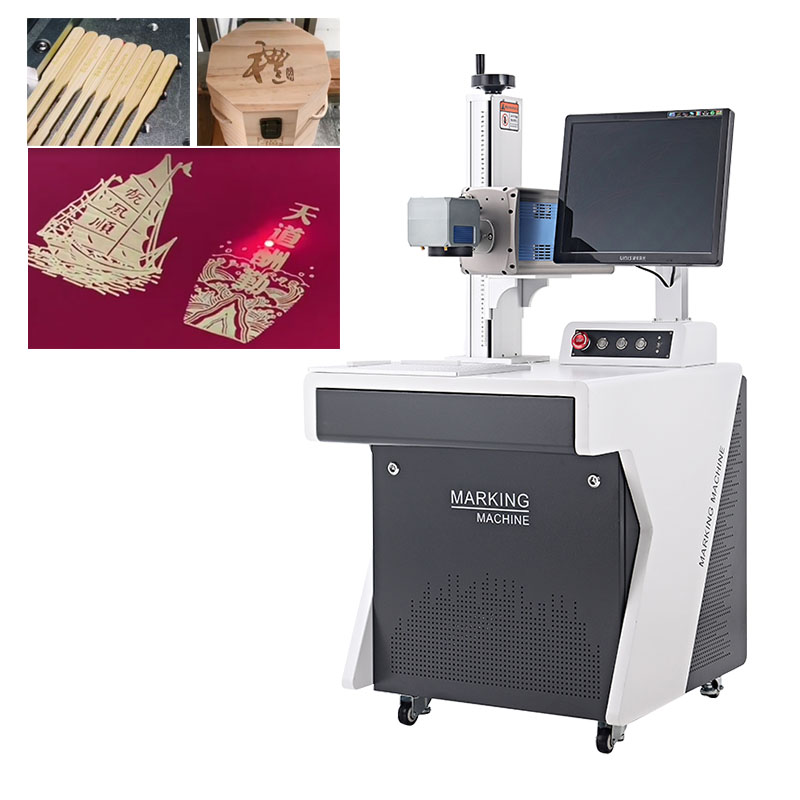
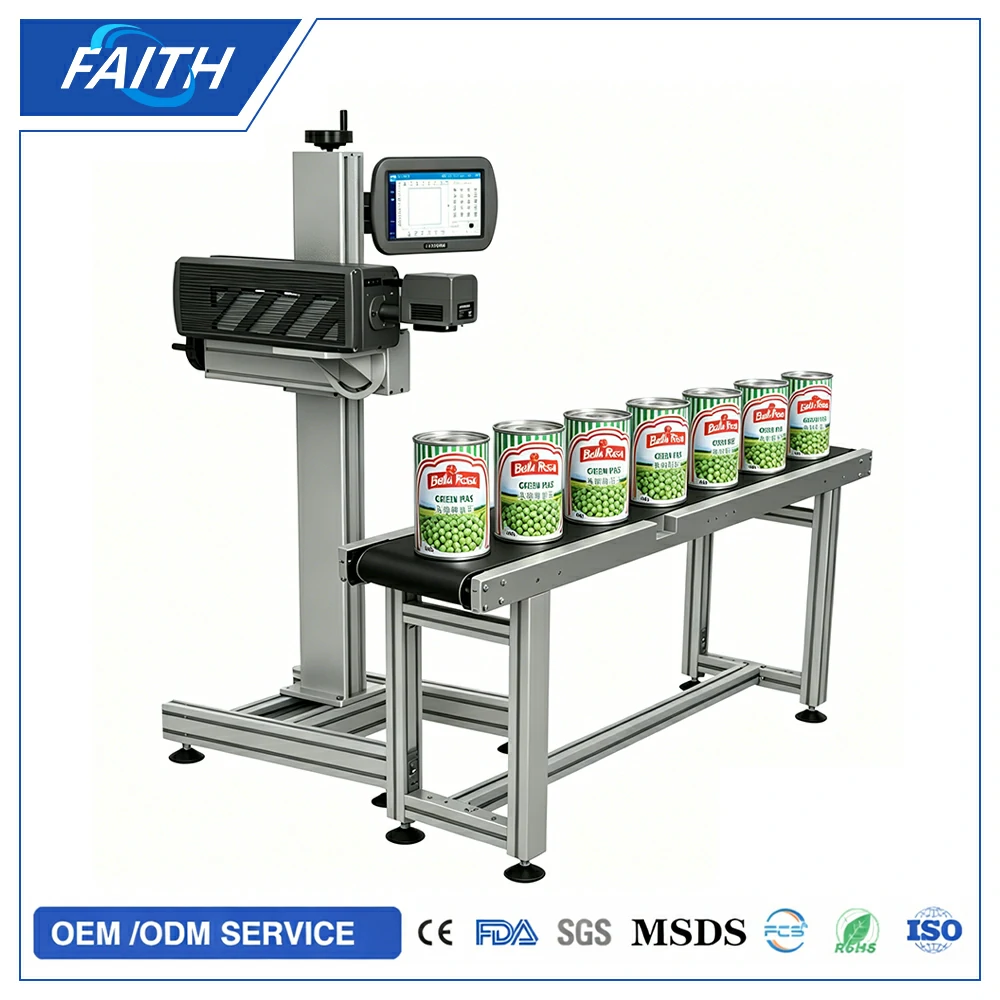
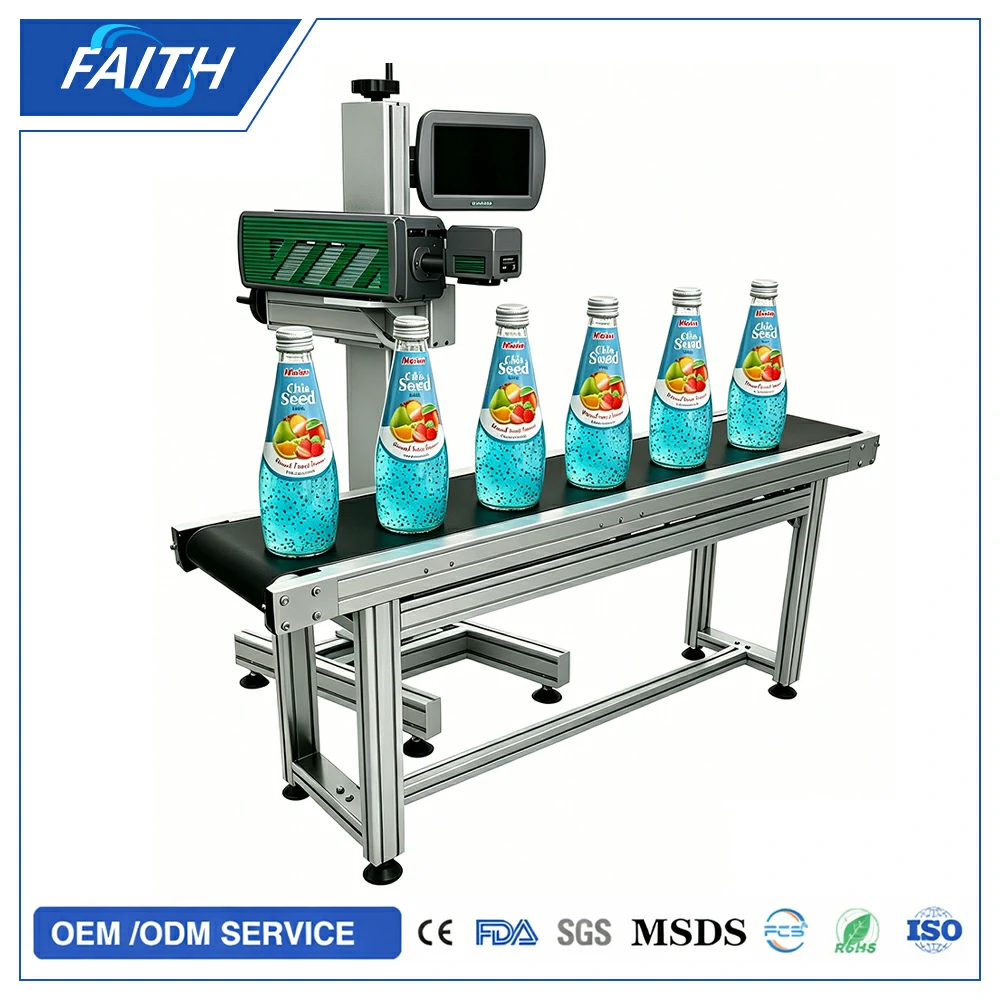
Of course, a handheld laser marking machine is not suitable for every job. If a factory needs high-speed automatic marking on a moving production line, an online flying laser marking machine may be better. If all parts are small and flat, a desktop fiber laser machine may be enough. But for large, heavy, irregular or difficult-to-move metal parts, handheld fiber laser marking has a clear advantage.
When choosing a machine, buyers should not only compare price. They should also check marking power, laser source quality, marking software, handheld head design, focusing method, cooling system, language support and after-sales service. A low-cost machine may look similar, but if the marking is unstable or the software is hard to use, daily production will be affected.
For metal manufacturers, the value of handheld laser marking is simple: less moving, faster operation and more permanent identification. It helps factories mark where the product is, instead of changing the whole workflow for the machine.
That is why handheld fiber laser marking machines are becoming more common in mold shops, pipe factories, hardware plants and industrial maintenance workshops.
Please leave the message you want to inquiry. We will reply you as soon as possible within 24 hours.
Please leave the message you want to inquiry. We will reply you as soon as possible within 24 hours.