

Not every material can be marked well by the same laser. This is a common mistake when buyers choose a marking machine. Fiber laser is strong on metal. CO2 laser is widely used for many non-metal packaging materials. But for some sensitive materials, especially plastic, glass, PCB, film, cable, and cosmetic packaging, UV laser marking is often a better choice.
The reason is simple: UV laser marking creates a fine and clean mark with less heat effect. Many buyers call it “cold processing.” In real production, this means the surface is less likely to burn, melt, deform, or turn yellow. For products where appearance matters, this is very important.
Take cosmetic packaging as an example. A perfume bottle, cream jar, plastic cap, or transparent label may look expensive before marking. If the code is rough or the surface is burned, the package loses value. UV laser marking can create clear date codes, batch numbers, logos, QR codes and traceability marks while keeping the surface clean.
For electronics factories, UV laser marking is also useful. PCB, electronic components, phone accessories, cables, and plastic connectors often require small characters or QR codes. The marking must be clear enough to scan, but it cannot damage the part. A high-resolution UV Laser marking machine is suitable for this kind of detailed work.
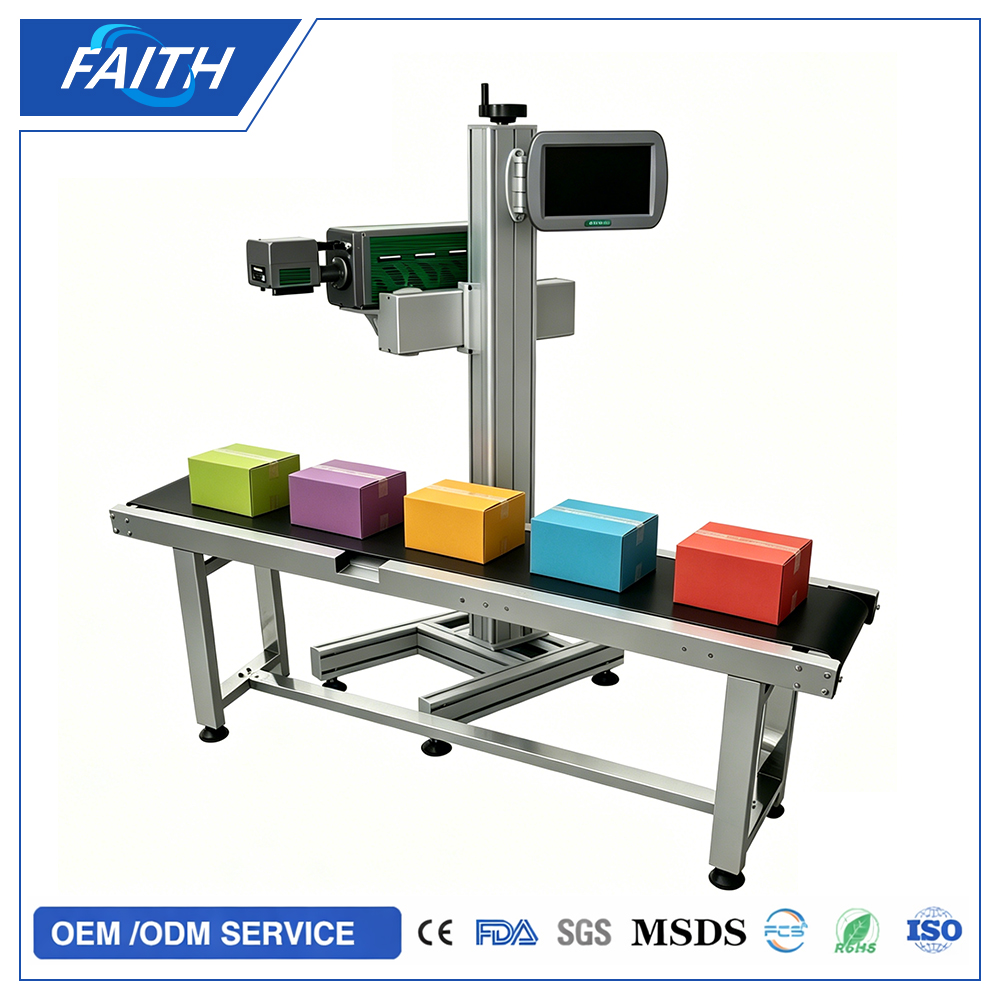
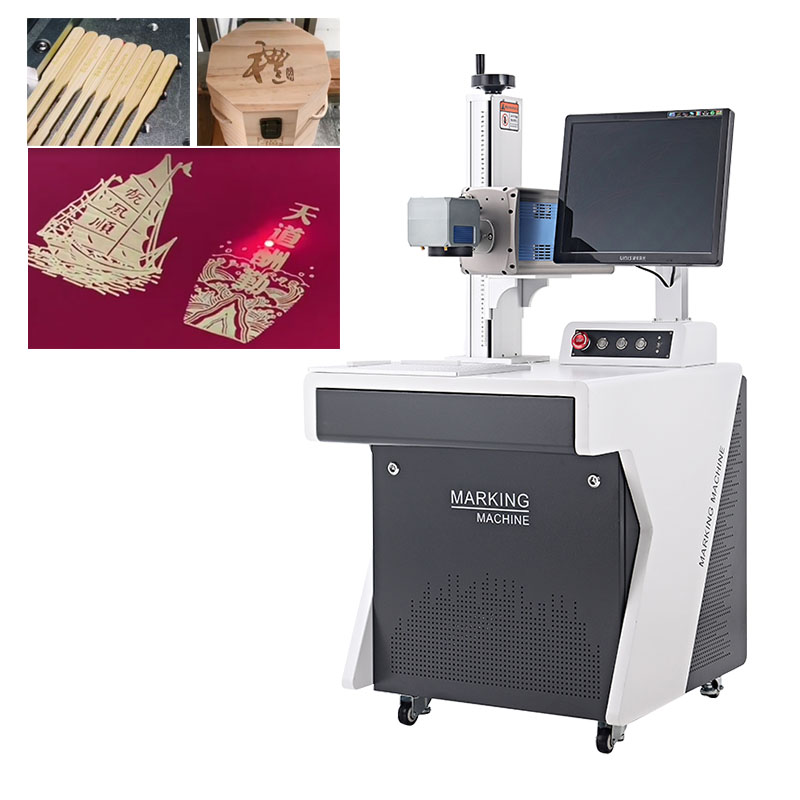
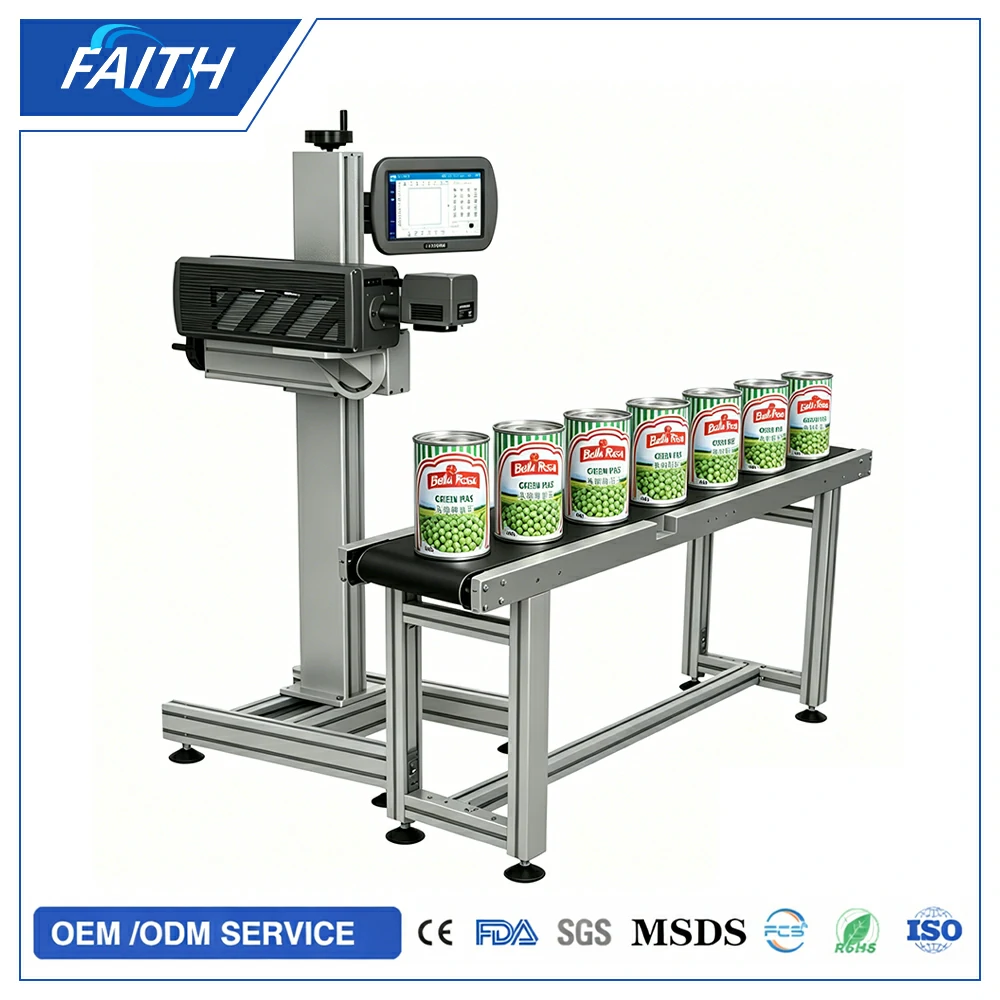
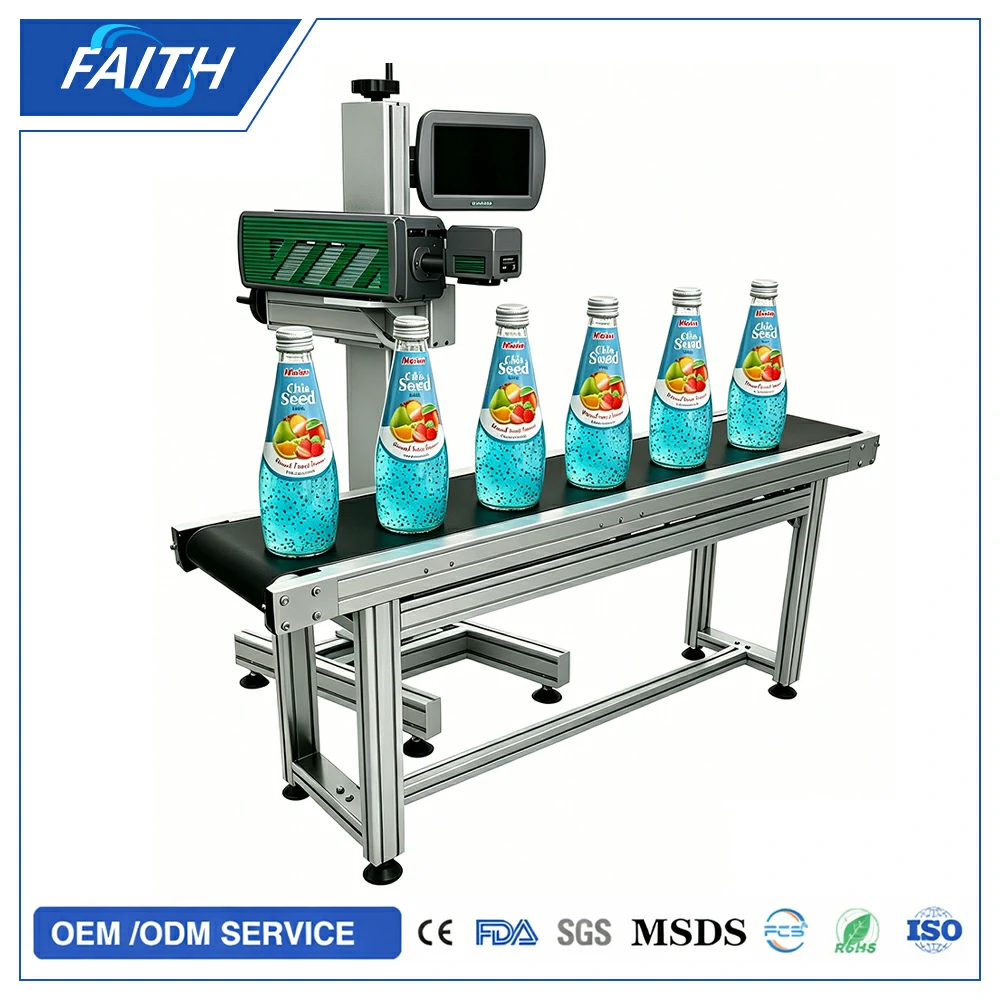
Faith UV laser marking machines can be used for date code marking, logo engraving, QR code printing, batch number coding and product traceability marking. The machine is suitable for plastic caps, glass bottles, medicine boxes, electronic parts, cables, films and packaging materials. Power options such as 3W, 5W and 10W can be selected according to the material and marking requirement.
One reason factories choose UV laser instead of ink coding is that the mark is permanent. Ink can be scratched or wiped off on some smooth surfaces. Labels can fall off. But laser marking is directly formed on the product surface. This helps with anti-counterfeiting, brand protection, and after-sales traceability.
However, UV laser is not always the cheapest solution. If a factory only prints simple dates on rough cartons, a CO2 laser or inkjet printer may be enough. UV laser should be chosen when the product needs fine marking, high contrast, low thermal damage, or a cleaner appearance. In other words, UV laser is not for every product, but it is very valuable for the right product.
Before buying, sample testing is necessary. Plastic materials vary a lot. ABS, PVC, PP, PE, PET and coated materials may show different colors after marking. Some glass products need a softer setting to avoid micro-cracks. Some films require very fine adjustment to keep the package flat. A professional supplier should test the real sample, not only show standard demo pieces.
For distributors, UV laser marking is a good product for customers in cosmetics, medicine, electronics, cable, bottle cap, and high-end packaging industries. These customers usually care about appearance, code readability, and long-term stability. They are not only buying a machine; they are buying a cleaner coding method.
If your products are easy to burn, deform, or require fine permanent marking, UV laser marking should be considered first. It can help factories improve traceability without sacrificing product appearance.
Please leave the message you want to inquiry. We will reply you as soon as possible within 24 hours.
Please leave the message you want to inquiry. We will reply you as soon as possible within 24 hours.