

Glass is widely used in industries such as packaging, electronics, medical devices, and decoration. However, marking on glass surfaces has always been a technical challenge due to its fragility, transparency, and sensitivity to heat.
Traditional methods like ink printing or mechanical engraving often cause issues such as fading, cracking, or poor precision. As a result, the UV laser marking machine has become the preferred solution for high-quality, non-contact marking on glass materials.
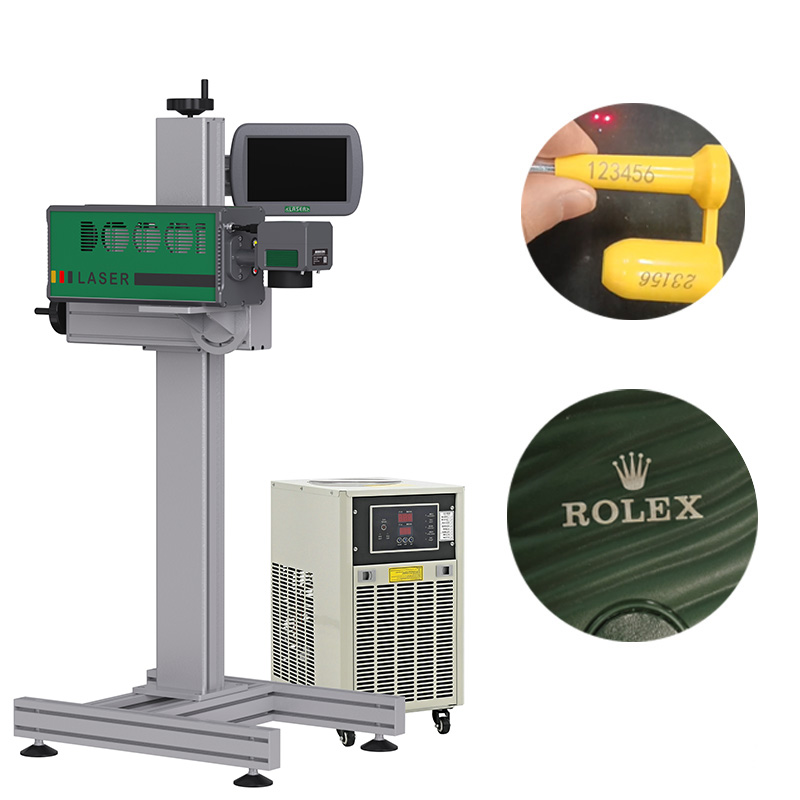
1. Why Glass Requires UV Laser Marking
Glass products require marking for several important reasons:
Product identification
Batch tracking
Anti-counterfeiting
Brand logo engraving
Regulatory compliance
However, glass is a delicate material that can easily crack or deform under high heat or mechanical stress. Therefore, a cold processing method is required.
👉 UV laser marking is known as a “cold laser process” because it generates minimal heat impact on the material.
2. Applications of UV Laser Marking on Glass
UV laser marking is widely used across multiple glass-related industries:
✔ Beverage and Food Glass Packaging
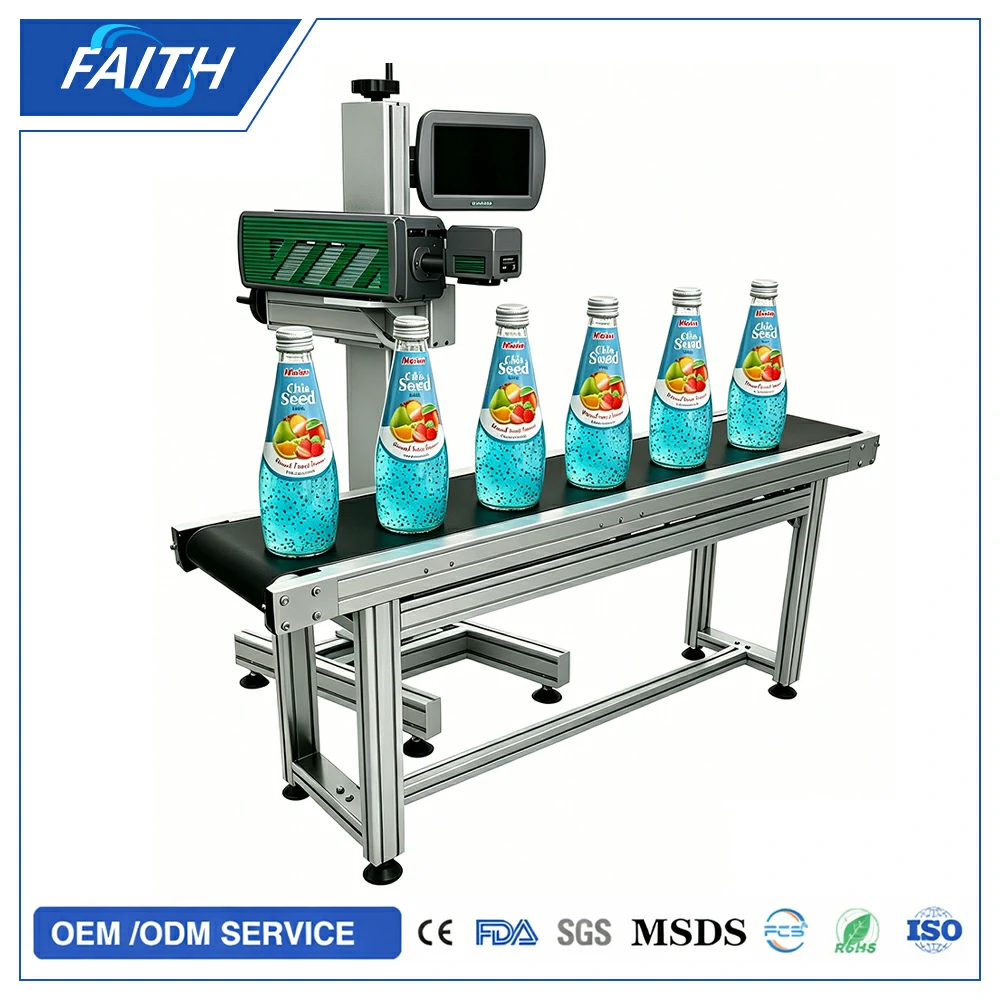
Glass bottles (wine, beer, juice)
Milk glass containers
Cosmetic glass bottles
👉 Marking content: expiration date, batch number, QR code
✔ Pharmaceutical Glass Products
Medicine vials
Ampoules
Injection bottles
👉 Requires high precision and sterilization-safe marking
✔ Cosmetic Industry
Perfume bottles
Skincare glass containers
Luxury packaging glass
👉 Used for brand logo and anti-counterfeit marking
✔ Industrial and Technical Glass
Laboratory glassware
Optical glass components
Electronic display glass
👉 Used for serial numbers and technical identification
3. Advantages of UV Laser Marking on Glass
✔ 3.1 Cold Processing (No Thermal Damage)
UV laser uses a short wavelength (typically 355nm), which reduces heat impact.
👉 Prevents:
Glass cracking
Surface deformation
Micro-fractures
✔ 3.2 Extremely High Precision
UV laser can produce:
Micro text
Fine logos
High-density QR codes
Complex patterns
👉 Ideal for high-value products
✔ 3.3 Permanent and Wear-Resistant Marking
The marking is permanent and resistant to:
Water
Chemicals
Scratching
High temperature
✔ 3.4 No Consumables Required
UV laser marking does not require:
Ink
Chemicals
Labels
👉 Reduces long-term production cost
✔ 3.5 Clean and Environmentally Friendly
No pollution, no waste, and no secondary processing required.
4. UV Laser vs CO2 Laser on Glass
| Feature | UV Laser Marking | CO2 Laser Marking |
|---|---|---|
| Heat impact | Very low | Higher |
| Precision | Very high | Medium |
| Risk of cracking | Very low | Higher |
| Suitable for fine marking | Excellent | Limited |
| Best application | High-end glass | Basic marking |
👉 Conclusion: UV laser is the best choice for precision glass marking.
5. How UV Laser Marking Works on Glass
The process is based on photochemical reaction:
UV laser beam is focused on glass surface
High-energy photons break molecular bonds
Surface structure changes slightly
Mark appears without cracking or deformation
👉 This is why it is called a “cold marking process”.
6. Industry Trends: Increasing Demand for UV Laser on Glass
More industries are adopting UV laser marking due to:
Growth of luxury packaging industry
Strict pharmaceutical traceability regulations
Demand for high-quality branding
Shift toward non-contact manufacturing
👉 UV laser technology is becoming standard in high-end glass processing.
7. Choosing the Right UV Laser Marking Machine
When selecting a UV laser system for glass, consider:
✔ Power Level
3W–5W: fine marking (cosmetics, electronics)
10W: industrial glass production
✔ Marking Precision
Higher resolution is required for QR codes and micro text.
✔ Production Speed
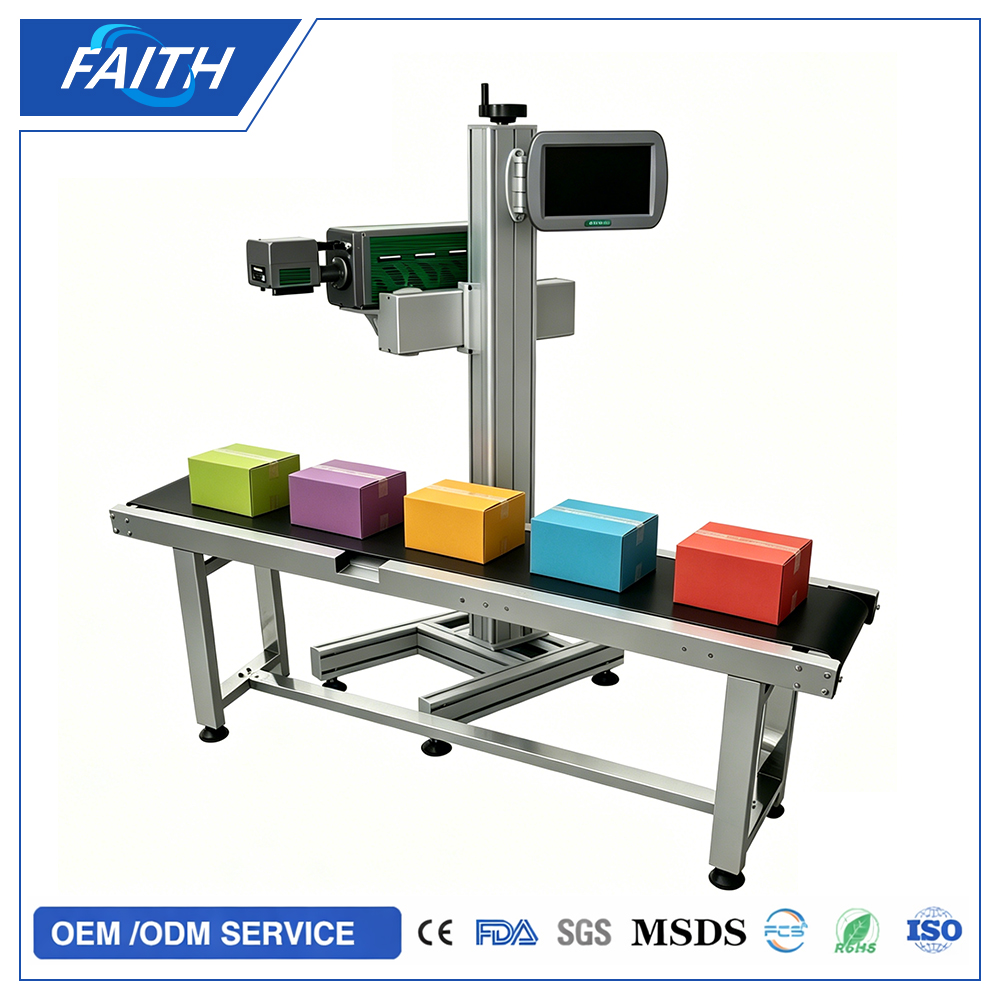
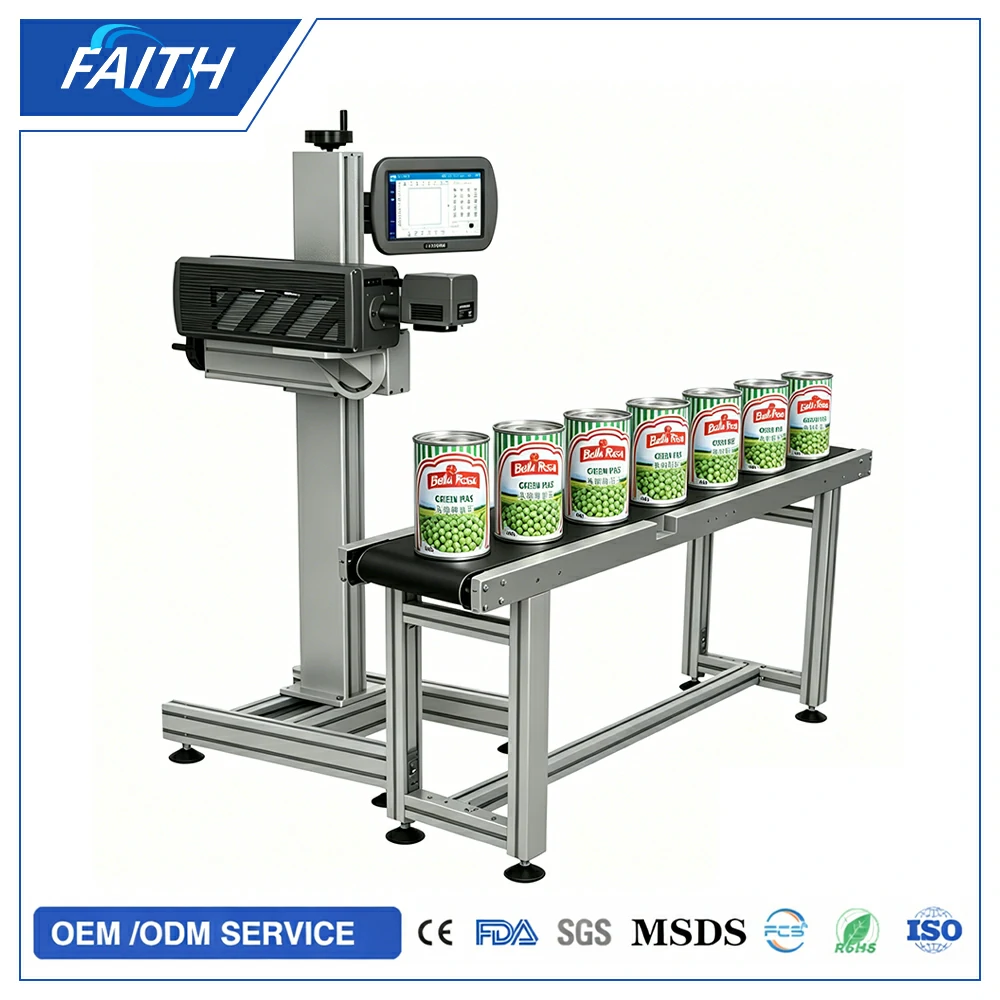
Choose flying UV laser systems for conveyor production lines.
✔ Application Type
Cosmetics → logo + branding
Pharma → batch + traceability
Industrial → serial numbers
Conclusion
UV laser marking machines provide a precise, non-contact, and cold processing solution for glass materials. With their ability to produce permanent and high-resolution markings without damaging fragile surfaces, they have become the preferred choice for industries such as cosmetics, pharmaceuticals, and beverage packaging.
As demand for high-quality and traceable glass products continues to grow, UV laser marking technology will play an increasingly important role in modern manufacturing.
Please leave the message you want to inquiry. We will reply you as soon as possible within 24 hours.
Please leave the message you want to inquiry. We will reply you as soon as possible within 24 hours.