

Most hardware, auto parts, and pipe fitting processing factories are plagued by the problem of workpiece marking for many years. Traditional methods such as self-adhesive stickers, inkjet printing, and manual stamping seem inexpensive, but they actually harbor many hidden production risks. Oil stains in the workshop, damp storage conditions, and friction during transportation can cause stickers to peel off, inkjet printing to become blurred, and batch numbers, part numbers, and traceability codes for batches of workpieces to be completely lost. This can lead to disputes during after-sales verification, quality inspection, and customer inspection. Manual stamping has even more obvious drawbacks. Inexperienced operators often have inconsistent pressure, resulting in uneven marking depth and misalignment, leading to a high rate of scrap and rework. Long-term manual marking also continuously increases labor costs in the workshop.
Many export factories have also encountered compliance problems: temporary markings for exported hardware and auto parts cannot pass the qualification review of overseas customers. Simple inkjet printing is easily judged as non-standard production, directly leading to the detention and return of the entire batch of goods, with losses far exceeding the investment in equipment. This is the core reason why small and medium-sized processing enterprises have been replacing traditional marking methods with electric marking machines in recent years.
Mainstream industrial electric marking machines on the market are lightweight, with controllable overall weight and a small footprint. They do not require dedicated large workstations and can be placed in corners or on workbenches of ordinary production lines, adapting to the site conditions of most small and medium-sized workshops. The equipment has an extremely low operating threshold, requiring no professional programming skills; workers can learn to operate it in just ten minutes of simple training. It supports custom input of model numbers, serial numbers, production dates, material grades, English country of origin markings, etc., and one-click batch marking completely eliminates the instability of manual operation.
The biggest practical advantage of the equipment is zero consumable operation. Unlike inkjet printers, which require frequent purchases of ink and solvents and regular cleaning of clogged nozzles and maintenance shutdowns, electric marking machines rely on mechanical dot matrix engraving, resulting in almost no daily maintenance costs. They can operate stably even with 24-hour continuous operation in two shifts, perfectly matching the rhythm of large-scale, routine production in factories. The markings are uniform in depth, resistant to oil, wear, and high temperatures. Whether in workshop production, outdoor storage, or long-term equipment wear and tear, the markings will not fade or peel off, perfectly addressing the core needs of product traceability, quality inspection compliance, and brand display.
Compatible with most industrial metals, including stainless steel, carbon steel, aluminum alloy, mold steel, and cast iron, it can reliably mark common workpieces, offering exceptional versatility. A single device can cover the marking needs of most products in a workshop, significantly reducing the cost of purchasing multiple devices for your company.
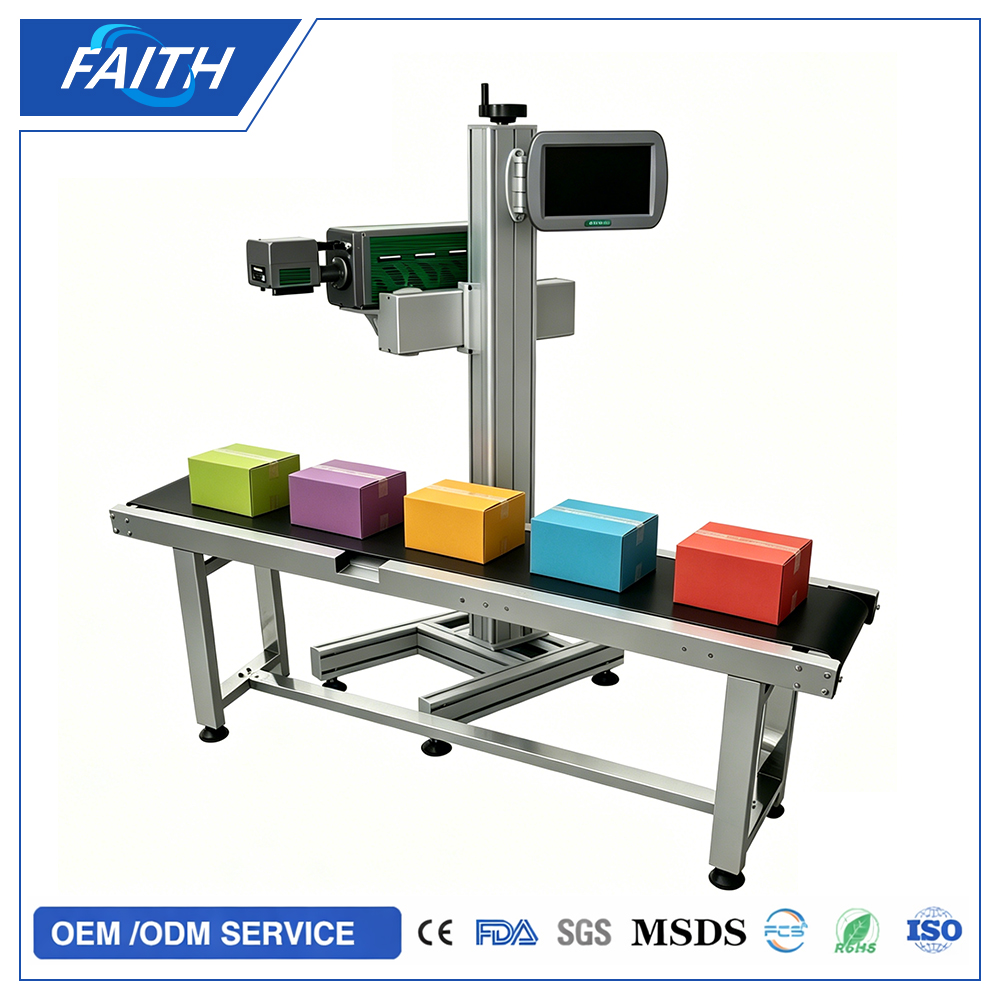
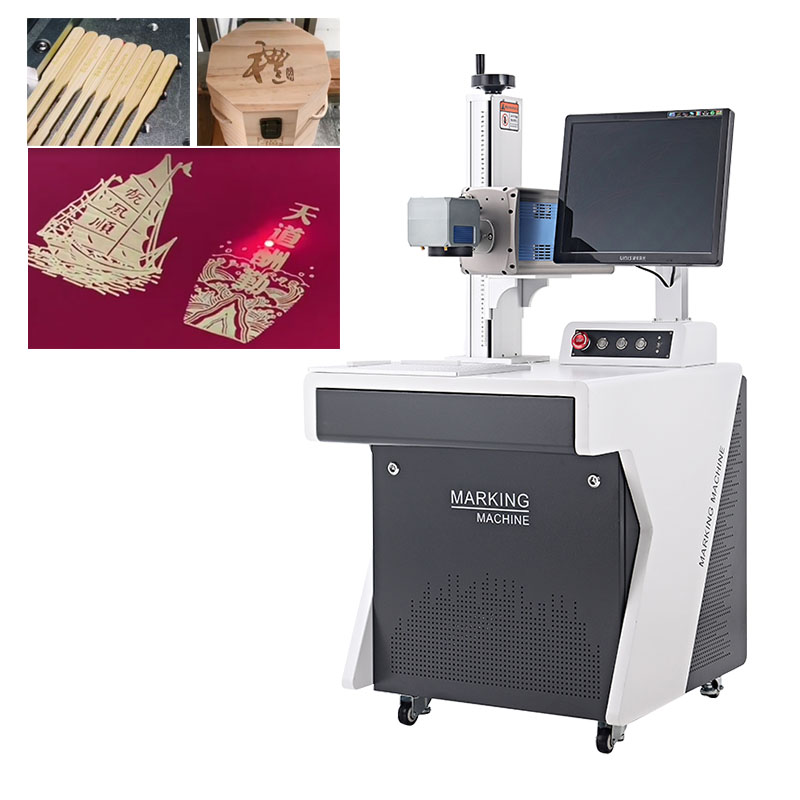
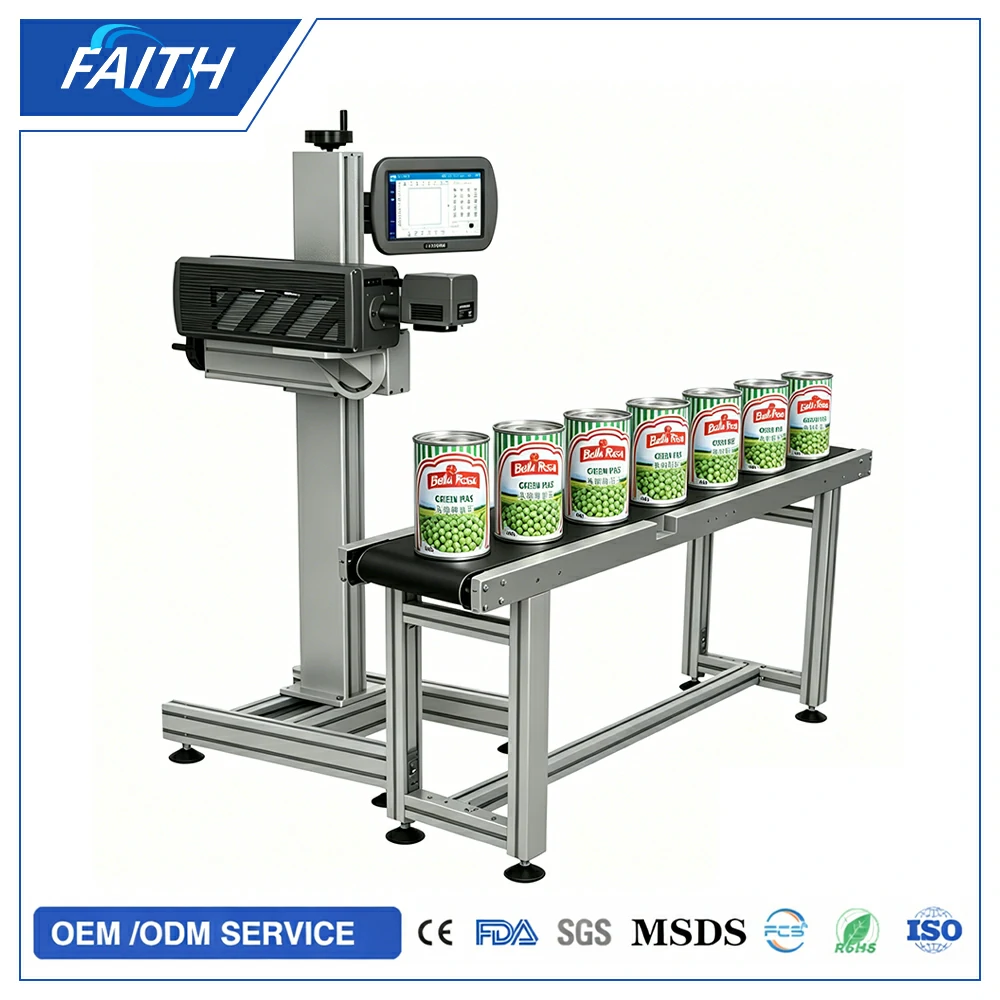
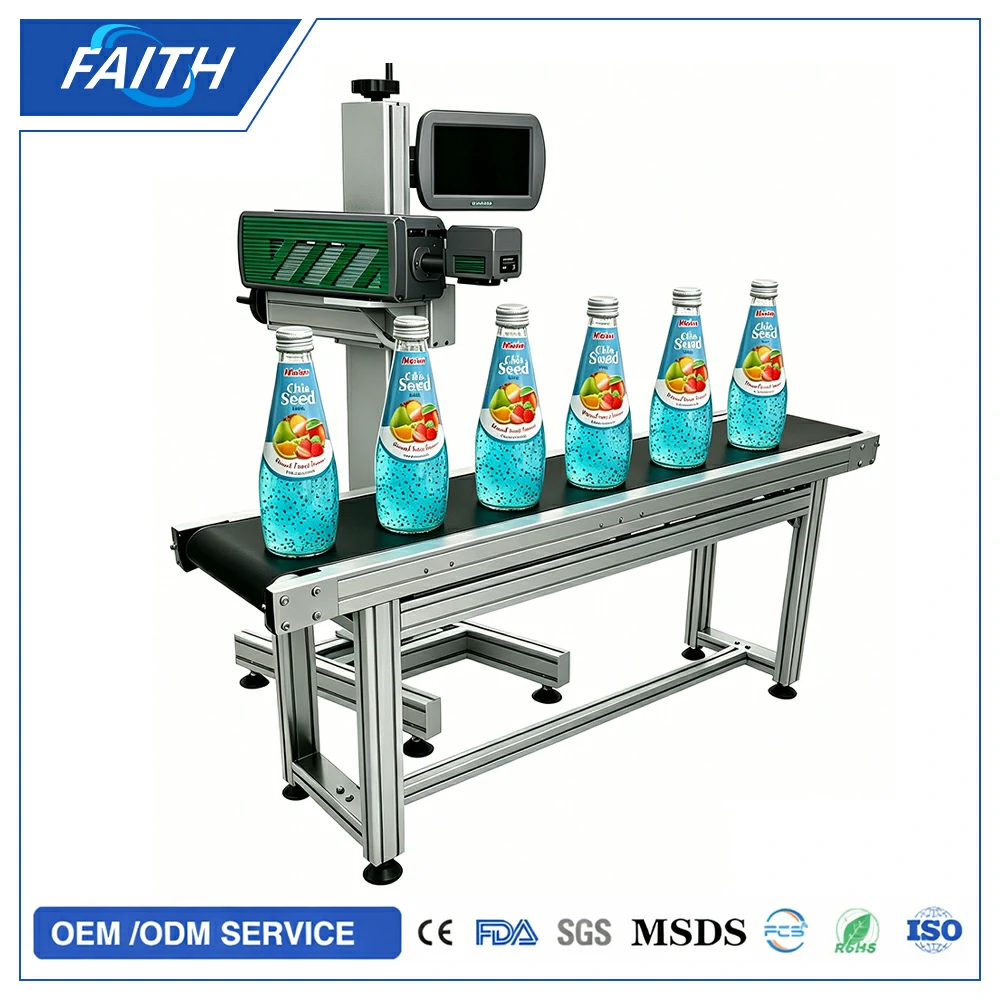
Please leave the message you want to inquiry. We will reply you as soon as possible within 24 hours.
Please leave the message you want to inquiry. We will reply you as soon as possible within 24 hours.