

In the drinkware manufacturing industry, laser engraving has become one of the most important customization processes. Stainless steel bottles, tumblers, and mugs are widely personalized with logos, text, and patterns to enhance brand value and market appeal.
However, most drinkware products are coated with a powder-coated surface layer. This coating improves durability, corrosion resistance, and appearance, but it also creates a challenge when engraving is required. In many cases, the coating must be removed or partially cleaned before marking to ensure high-quality engraving results.
Because of this requirement, different powder coating removal methods are used in factories, including CO₂ laser cleaning, mechanical abrasion, chemical stripping, and thermal decomposition. Each method has its own advantages and limitations depending on production needs.
Powder coating plays an important protective role, but it is not ideal for direct laser engraving in most applications. One of the main reasons is visibility. Since powder coatings come in solid colors such as black, white, or red, engraving directly on the surface often produces weak contrast, making the design less visible and less attractive.
When the coating is removed, the base material underneath—usually stainless steel or aluminum—is exposed. This metallic surface naturally reflects light differently, which creates a stronger visual contrast after engraving. As a result, logos and text appear more sharp and professional.
Another important reason is engraving accuracy. Powder coating can interfere with laser energy absorption, leading to uneven marking depth or blurred edges. Once the coating is removed, the laser interacts directly with the metal surface, resulting in cleaner and more precise engraving.
In addition, removing the coating also improves overall product appearance. In the drinkware industry, visual quality plays a key role in customer perception. A clean engraved surface significantly enhances brand image and product value.
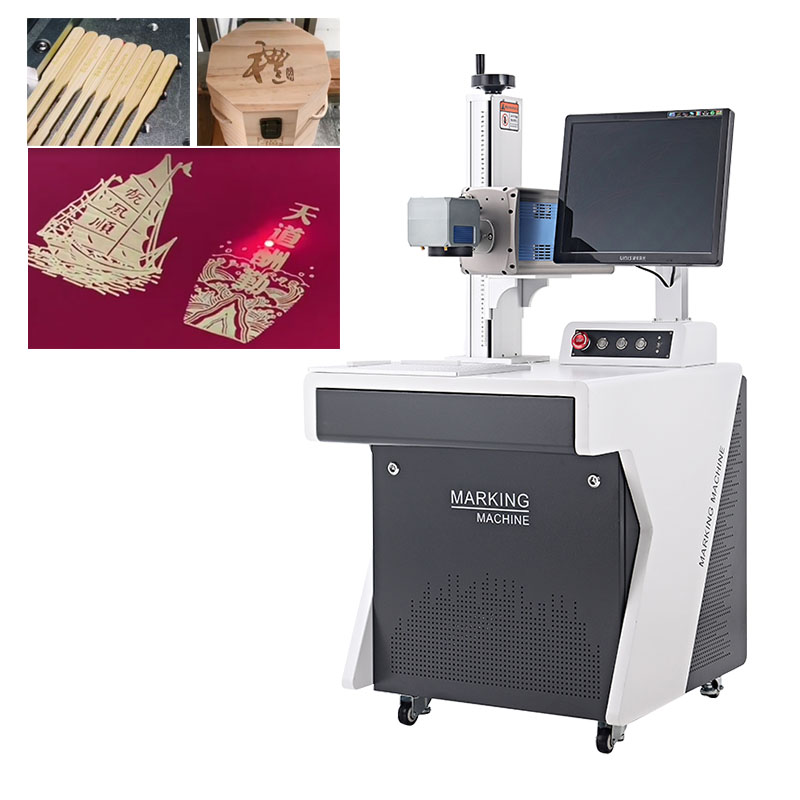
Among all available technologies, CO₂ laser systems are increasingly used in modern drinkware factories due to their precision and efficiency.
The working principle is based on a high-energy laser beam that targets the coated surface. When the beam interacts with the powder coating layer, it rapidly heats and vaporizes the material without affecting the base metal underneath. Since the process does not involve physical contact, the risk of surface damage is extremely low.
One of the biggest advantages of CO₂ laser removal is its precision control. The system can selectively remove coating only in specific design areas, making it highly suitable for logos, patterns, and detailed engraving work. This level of accuracy is difficult to achieve with traditional methods.
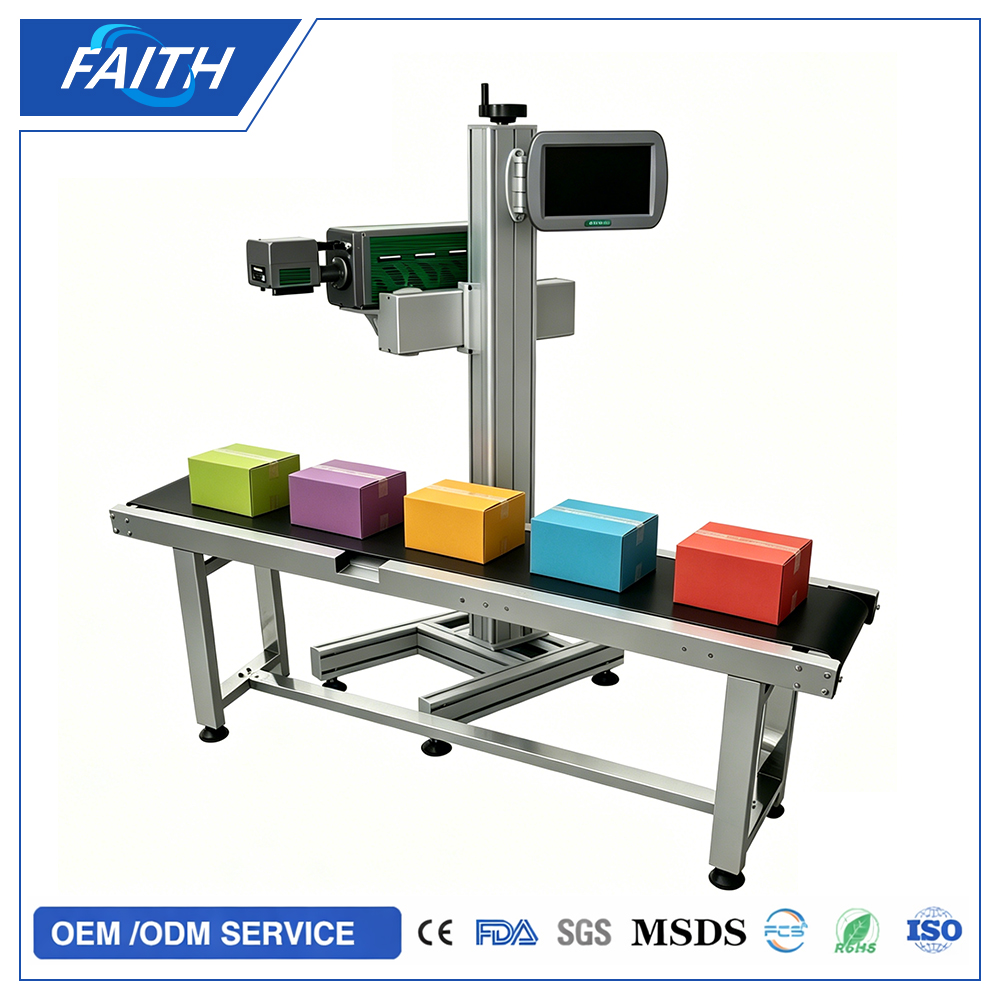
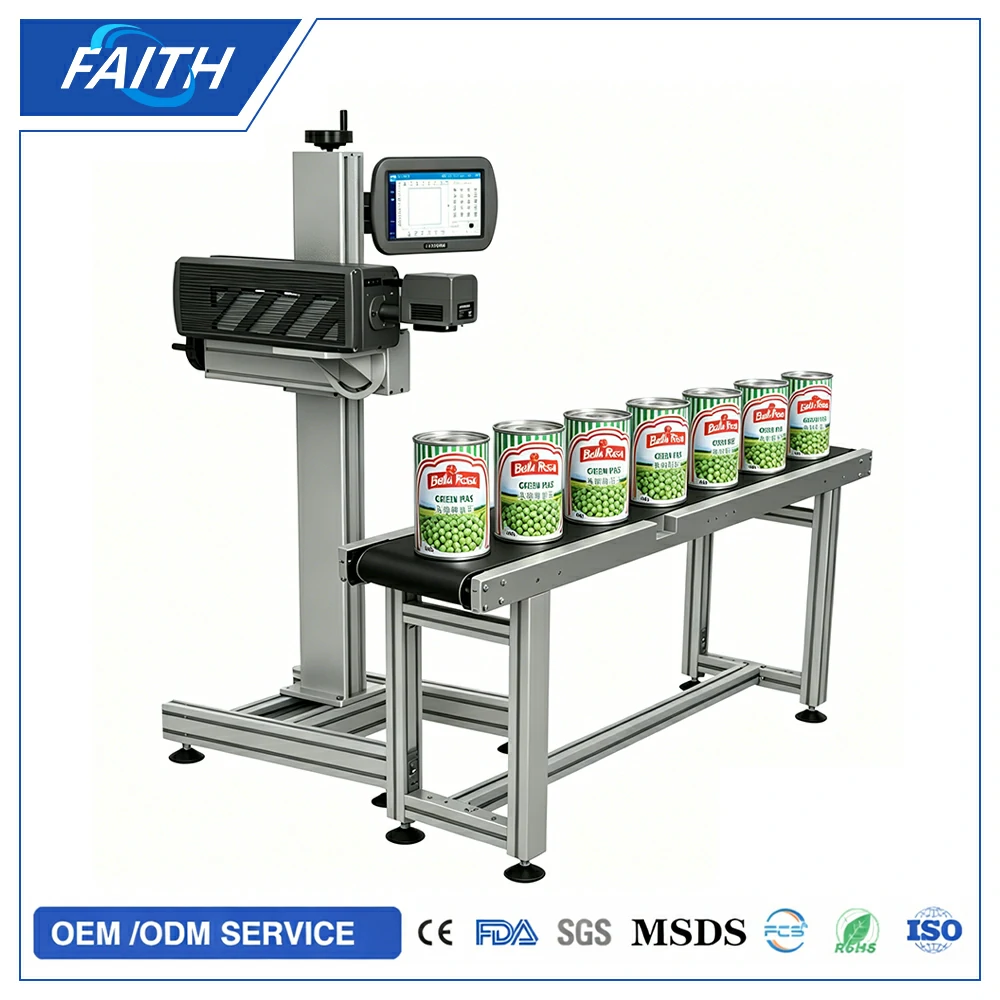
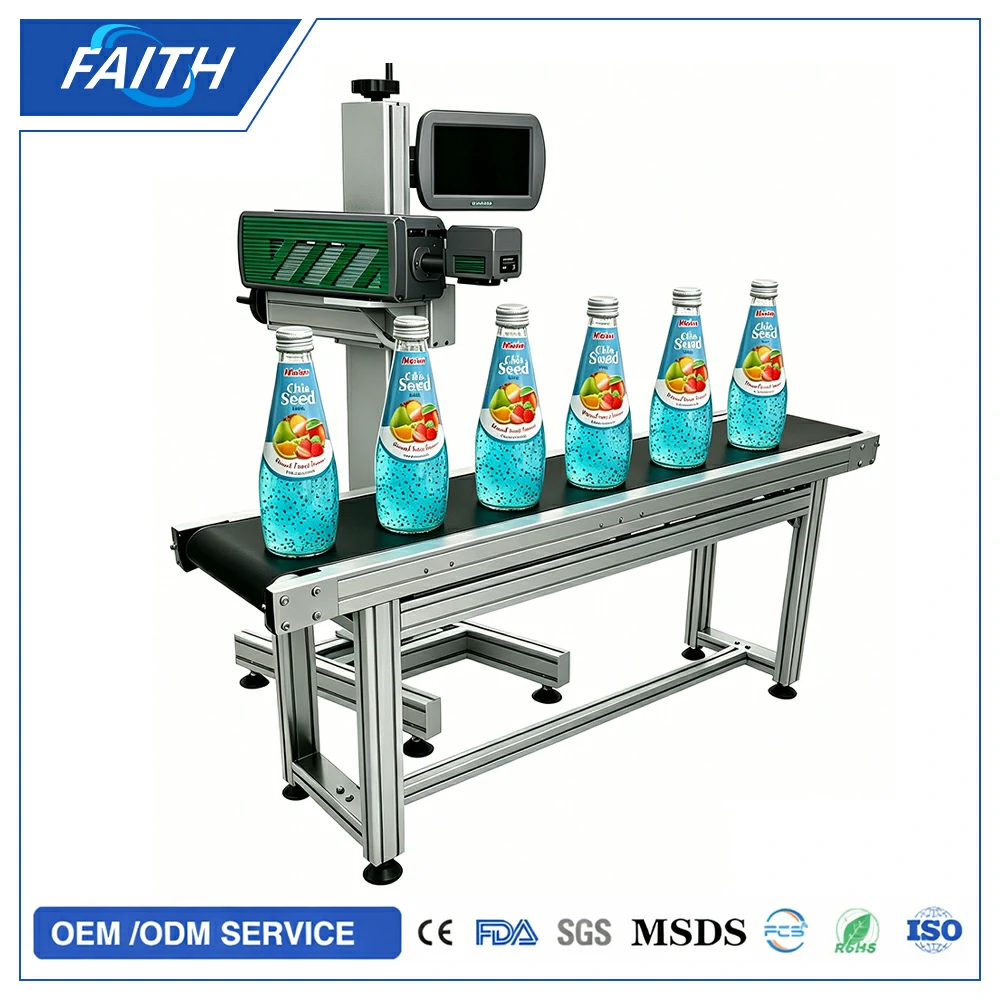
Another important advantage is speed. CO₂ laser systems are often integrated with CNC or automated production lines, allowing continuous processing of large quantities of drinkware in a short time. This makes them ideal for factories handling bulk customization orders.
In addition, laser removal produces clean and consistent results. There is no need for secondary cleaning or polishing, which helps reduce labor cost and production time. The process is also compatible with rotary attachments, allowing precise processing of curved surfaces such as bottles and tumblers.
Mechanical removal is one of the oldest and simplest methods used in small-scale production environments. It relies on physical force to remove the powder coating layer using tools such as sandpaper, grinding wheels, or abrasive blasting equipment.
In this process, the coating is gradually worn away through friction or high-speed particle impact. While this method does not require advanced machinery, it is highly dependent on manual labor.
One of the main drawbacks of mechanical removal is the lack of precision. It is difficult to control the depth and consistency of the surface treatment, which may result in scratches or uneven finishing. This can negatively affect the final engraving quality.
Although mechanical methods are relatively low-cost, they are not suitable for high-end drinkware production or large-scale manufacturing where consistency and surface quality are important.
Chemical stripping is another technique used to remove powder coatings. In this method, special chemical solutions are applied to the surface of the drinkware. These chemicals react with the coating layer and gradually weaken its bond with the metal surface.
Depending on the coating type, the product may be either soaked in a chemical bath or treated with a surface application process. After a certain reaction time, the coating begins to peel off and can be
washed away.
Chemical methods are effective for complex shapes and hard-to-reach areas. However, they require strict safety control due to the hazardous nature of the chemicals involved. Proper handling and waste disposal are essential to avoid environmental and health risks.
Another limitation is processing speed. Compared to laser systems, chemical removal is significantly slower and less suitable for fast production environments. Residue control is also important, as any remaining chemical substance can affect product safety and quality.
Heat treatment is another approach used to break down powder coatings. In this process, drinkware items are placed in a high-temperature furnace where the coating layer is exposed to extreme heat.
As the temperature rises, the coating begins to soften, degrade, or burn away from the surface. After cooling, the remaining residue is cleaned to complete the process.
Although this method can be effective for bulk material removal, it lacks precision control. It is difficult to remove coating only from specific areas, making it unsuitable for detailed engraving preparation.
Another concern is the risk of thermal damage. Excessive heat may affect the structure or finish of the base material, especially for thin-walled drinkware products. This limits its application in high-precision manufacturing environments.
Why CO₂ Laser Is the Preferred Solution in Modern Factories
As drinkware customization continues to grow, manufacturers are increasingly adopting CO₂ laser systems due to their balance of speed, precision, and automation.
One of the key advantages is high precision. The laser beam can be controlled at a very fine level, allowing selective coating removal for detailed patterns, logos, and text without affecting surrounding areas.
Another major advantage is production efficiency. CO₂ laser systems can operate continuously with minimal manual intervention, making them ideal for large-scale manufacturing and mass customization.
The process is also extremely clean. Unlike mechanical or chemical methods, laser removal does not require additional cleaning steps, which helps reduce production time and cost.
In addition, CO₂ laser systems are non-contact, meaning there is no physical wear on the product surface. This eliminates risks such as scratching, deformation, or contamination.
Finally, modern laser systems are highly flexible and can be integrated into automated production lines. With rotary devices and CNC control systems, they can easily handle curved surfaces such as bottles, tumblers, and mugs with high consistency.
Powder coating removal is a crucial step in the drinkware engraving process. It directly affects engraving clarity, contrast, and overall product quality.
While mechanical, chemical, and heat-based methods are still used in certain production environments, they each have limitations in precision, safety, or efficiency.
CO₂ laser technology stands out as the most advanced solution, offering a combination of high accuracy, fast processing speed, and non-contact operation. These advantages make it the preferred choice for modern drinkware factories that require consistent quality and high production efficiency.
As demand for personalized drinkware continues to increase globally, laser-based coating removal is expected to become the standard technology in the industry.
Please leave the message you want to inquiry. We will reply you as soon as possible within 24 hours.
Please leave the message you want to inquiry. We will reply you as soon as possible within 24 hours.