

Portable laser marking machines have become increasingly popular in recent years due to their flexibility and convenience. Unlike traditional industrial laser systems that are fixed in one location, these compact devices are designed for mobility and on-site operation, making them suitable for small workshops, fieldwork, and customized production tasks.
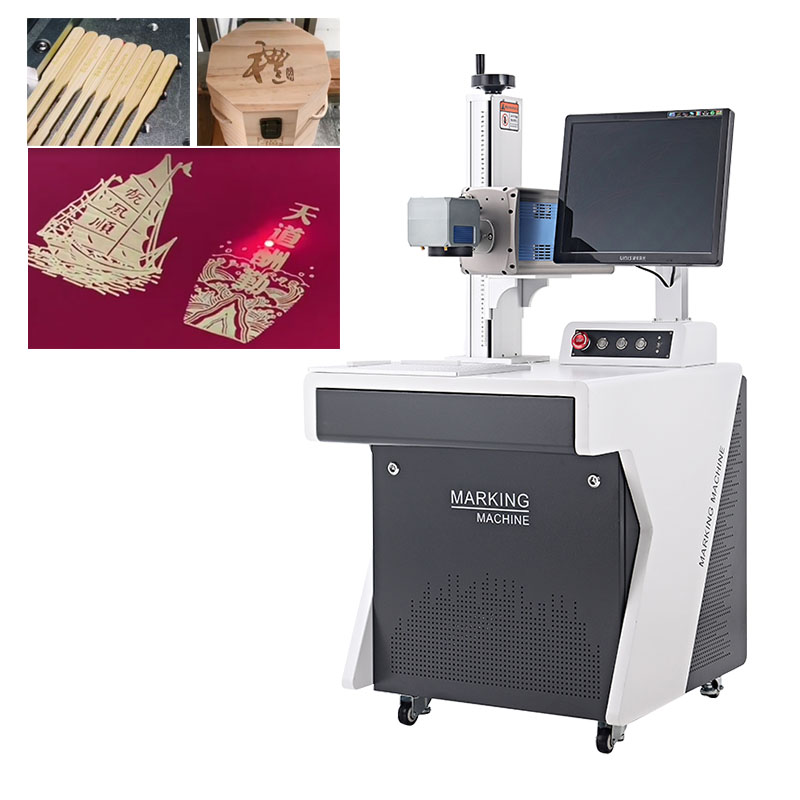
A portable laser marking machine is a compact laser-based device used to engrave or mark surfaces permanently. It works by directing a high-energy laser beam onto the surface of a material, causing physical or chemical changes that form text, patterns, barcodes, logos, or serial numbers.
Because of its size and structure, it can be easily transported and operated in different working environments, such as factories, warehouses, or even outdoor job sites.
The marking process relies on a focused laser beam that interacts with the surface layer of a material. Depending on the material type and laser settings, the surface may:
Vaporize slightly (ablation)
Change color due to oxidation
Melt and re-solidify
This allows the machine to create precise and permanent markings without physical contact or damage to the core material.
Laser marking is widely valued because it offers:
Permanent identification that is resistant to wear
High precision and fine detail output
Clean and non-contact processing
No ink, chemicals, or additional consumables required
These features make it suitable for industries requiring traceability and long-term product identification.
1. High Mobility and Flexibility
One of the biggest advantages is portability. The compact structure allows operators to move the machine easily between job sites. It can be transported in vehicles and set up quickly wherever marking is needed.
2. Easy Operation
Modern portable laser systems are designed with user-friendly software interfaces. Even operators without advanced technical training can learn to use them efficiently after short practice.
3. Fast and Efficient Marking
Despite their small size, these machines can achieve high-speed marking. This improves production efficiency, especially for batch coding, serial number engraving, and simple pattern marking.
4. Non-Contact Processing
Since the laser does not physically touch the material, there is no mechanical pressure or damage. This is particularly useful for fragile or high-value products.
5. No Consumable Costs
Unlike inkjet or mechanical marking systems, portable laser machines do not require ink, solvents, or marking heads. This reduces long-term operating costs significantly.
6. High Precision and Clean Output
The laser beam can produce very fine details, including small text, QR codes, and complex logos. The results are clear, sharp, and professional-looking.
7. Strong Traceability Function
Laser marking is commonly used for product tracking. It can engrave serial numbers, production dates, batch codes, and other information that supports supply chain management.
8. Stable Performance and Long Lifespan
Most portable laser marking systems are built for continuous operation and can work for long hours with minimal maintenance. Laser sources generally have a long service life, making them reliable for industrial use.
9. Suitable for Small-Space Marking
Because the laser beam is highly focused, it can mark very small areas without affecting surrounding surfaces. This is ideal for compact components or limited-space labeling.
1. Limited Power Compared to Large Systems
Portable models usually have lower laser power compared to industrial stationary machines. This can result in slower marking speed or reduced effectiveness on certain hard materials.
2. Material Limitations
While they can handle many common materials, portable machines may not perform equally well on all surfaces, especially thick metals or highly reflective materials without proper configuration.
3. Lower Stability for Heavy-Duty Production
For continuous high-volume industrial production, fixed laser marking systems are generally more stable and efficient. Portable units are better suited for flexible or small-batch work.
4. Environmental Sensitivity
Although generally reliable, performance may be affected by environmental conditions such as temperature, dust, or vibration when used in outdoor or non-controlled settings.
5. Not Ideal for Mass Production Lines
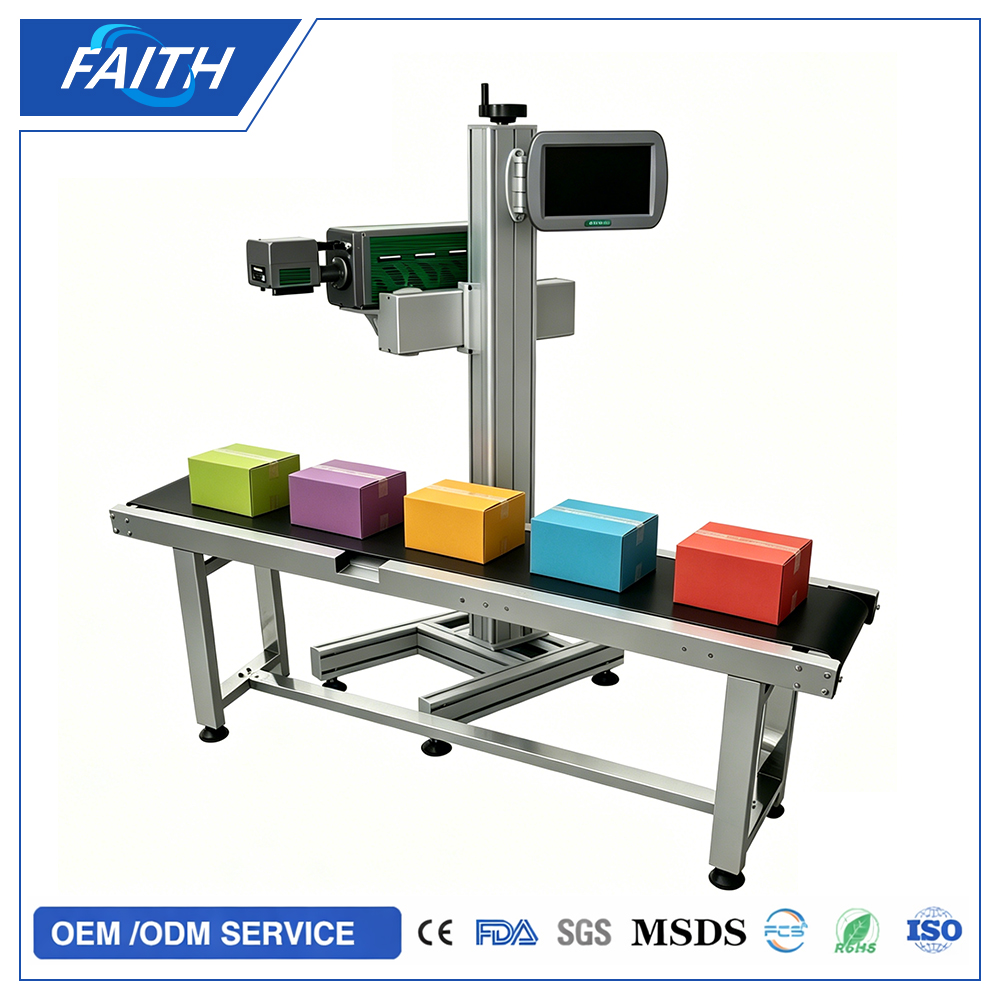
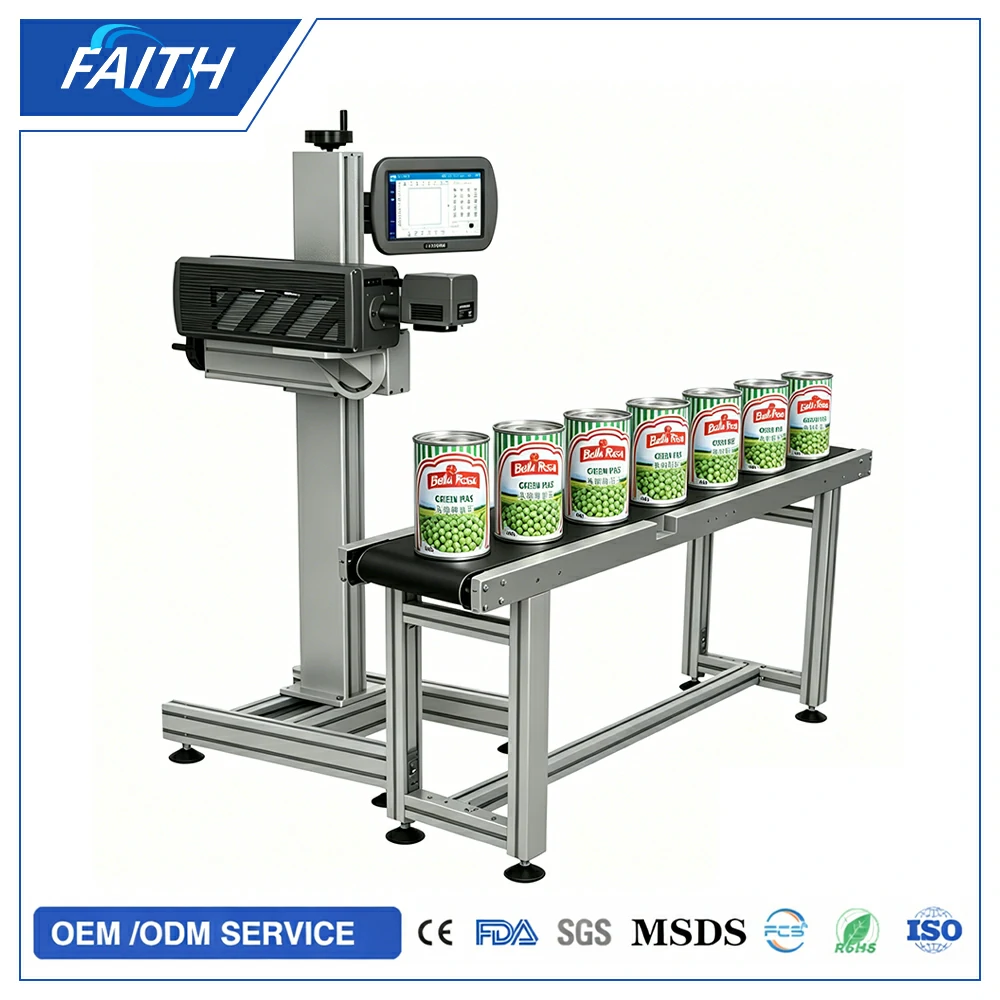
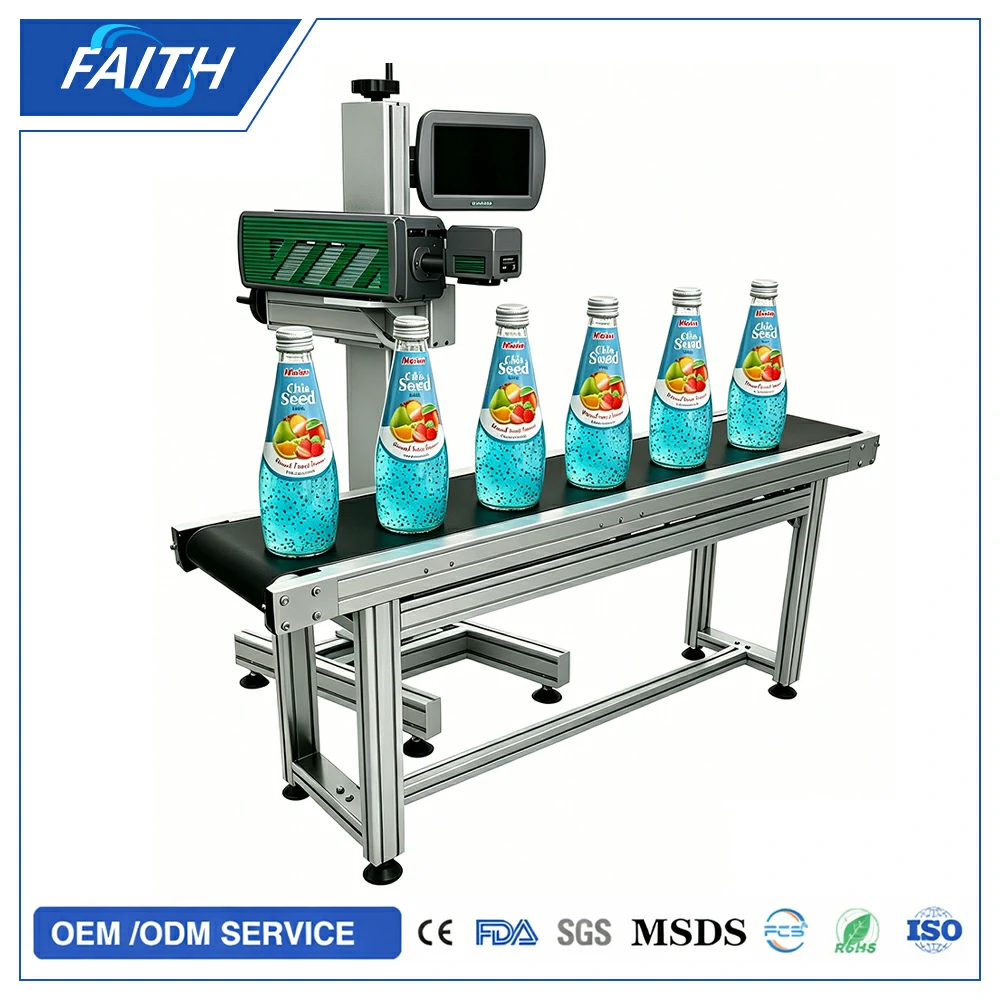
In automated production environments requiring extremely high speed and integration with conveyor systems, portable machines are not always the best choice.
When Should You Choose a Portable Laser Marking Machine?
A portable laser marking machine is a good option if:
You need flexible marking across different locations
Your workload is small to medium scale
You require customization or on-site marking services
You want low maintenance and consumable-free operation
You prioritize mobility over maximum production speed
However, if your business focuses on large-scale industrial production with high-speed conveyor integration, a fixed industrial laser system may be more suitable.
Portable laser marking machines offer a practical balance between performance and flexibility. They are compact, cost-efficient in long-term operation, and capable of producing high-quality permanent markings. While they may not replace heavy-duty industrial systems in large manufacturing environments, they are an excellent solution for mobile applications, small batch production, and customized marking tasks.
Choosing the right model depends on your specific production needs, material types, and working environment.
Please leave the message you want to inquiry. We will reply you as soon as possible within 24 hours.
Please leave the message you want to inquiry. We will reply you as soon as possible within 24 hours.