

Pneumatic and Electric dot peen marking machines both create permanent marks by driving a marking pin into a product surface. They are commonly used for serial numbers, batch numbers, production dates, model codes, specifications and simple logos.
The difference between the two machines should not be explained only by material. Steel, stainless steel, aluminum and cast iron can often be marked by both types. A more practical way to select a machine is to consider the product size, structure, marking position, required depth and production environment.
pneumatic dot peen marking machines use compressed air to drive the marking pin. They generally provide stronger impact and are widely used for large, heavy products or components that require relatively deep identification.
Automobile chassis, truck frames and motorcycle frames are typical applications. These products usually require VIN numbers, frame numbers, serial numbers or production codes. Since the complete frame cannot be placed on a desktop marking machine, a handheld pneumatic marking head can be positioned directly against the required marking area.
Pneumatic marking is also commonly used for engine blocks, cylinder heads and gearbox housings. These parts are heavy and are normally processed at fixed factory workstations. Manufacturers may mark engine numbers, model codes, batch numbers and manufacturing dates. Many automotive factories already have a compressed-air supply, making pneumatic equipment easier to integrate into existing production areas.
Large flanges, industrial valves and pipe fittings are another important application group. These products often need material grades, pressure ratings, product sizes, heat numbers and manufacturer information. They may be too heavy to move repeatedly, so a handheld or column-mounted pneumatic machine can mark them directly at the machining or inspection station.
Hydraulic cylinders, excavator parts, agricultural machinery components, large castings, steel beams and thick metal plates are also well suited to pneumatic marking. These workpieces are generally large, difficult to position on a standard table and may require a deeper mark that remains visible after painting, coating or long-term industrial use.
Typical products include automobile chassis, motorcycle frames, engine blocks, gearbox housings, large flanges, valve bodies, hydraulic cylinders, construction machinery parts, steel structures and heavy cast components.
Electric dot peen marking machines do not require an external air compressor. They are easier to install, more convenient to move and generally quieter. They are commonly selected for small and medium-sized products that can be securely positioned in a fixture.
Motorcycle brake discs are a typical electric marking application. These products may require model numbers, serial numbers, production dates, batch codes and brand names. A customized fixture can locate the center hole or mounting holes, ensuring that every brake disc is placed in the same position.
For standard letters, numbers and simple symbols, a desktop electric dot peen marking machine is usually sufficient. The marking area must be selected by the brake-disc manufacturer and should avoid the braking friction surface and structurally sensitive areas.
Metal nameplates are another major application. Equipment nameplates, stainless-steel tags, aluminum plates and asset labels usually require neat rows of information such as the product model, voltage, power, serial number, production date and manufacturer name. Because these products are flat and easy to position, an electric desktop machine can provide convenient and consistent batch marking.
Bearings, gears, bushings and small shafts are also suitable for electric marking. These components normally require specifications, part numbers, batch codes or company names. A customized fixture can hold each round or irregular component securely, improving marking-position consistency.
Electric dot peen machines are also widely used for wrenches, sockets, pliers, brackets, small automotive components and motorcycle parts. These products are compact and can be arranged in dedicated fixtures for repeated production. The required content is generally a model, size, brand, date or serial number.
Typical electric marking products include motorcycle brake discs, metal nameplates, bearings, gears, shafts, bushings, hand tools, small automotive parts, motor nameplates, pump nameplates and machined components.
The product determines not only whether pneumatic or electric drive should be selected, but also which machine structure is more practical.
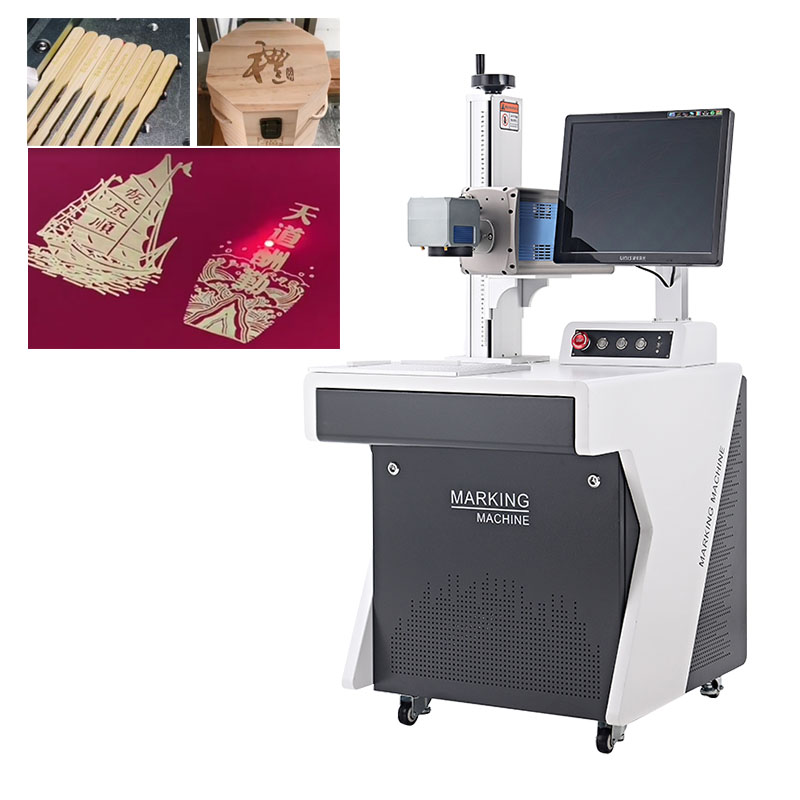
A desktop marking machine is suitable for products that can be placed on a worktable and fixed securely. Typical products include brake discs, bearings, gears, nameplates, tools and small mechanical components.
A handheld marking machine is suitable for products that are too large, too heavy or already installed. Typical applications include vehicle frames, engines, large valves, steel structures, hydraulic cylinders and construction machinery.
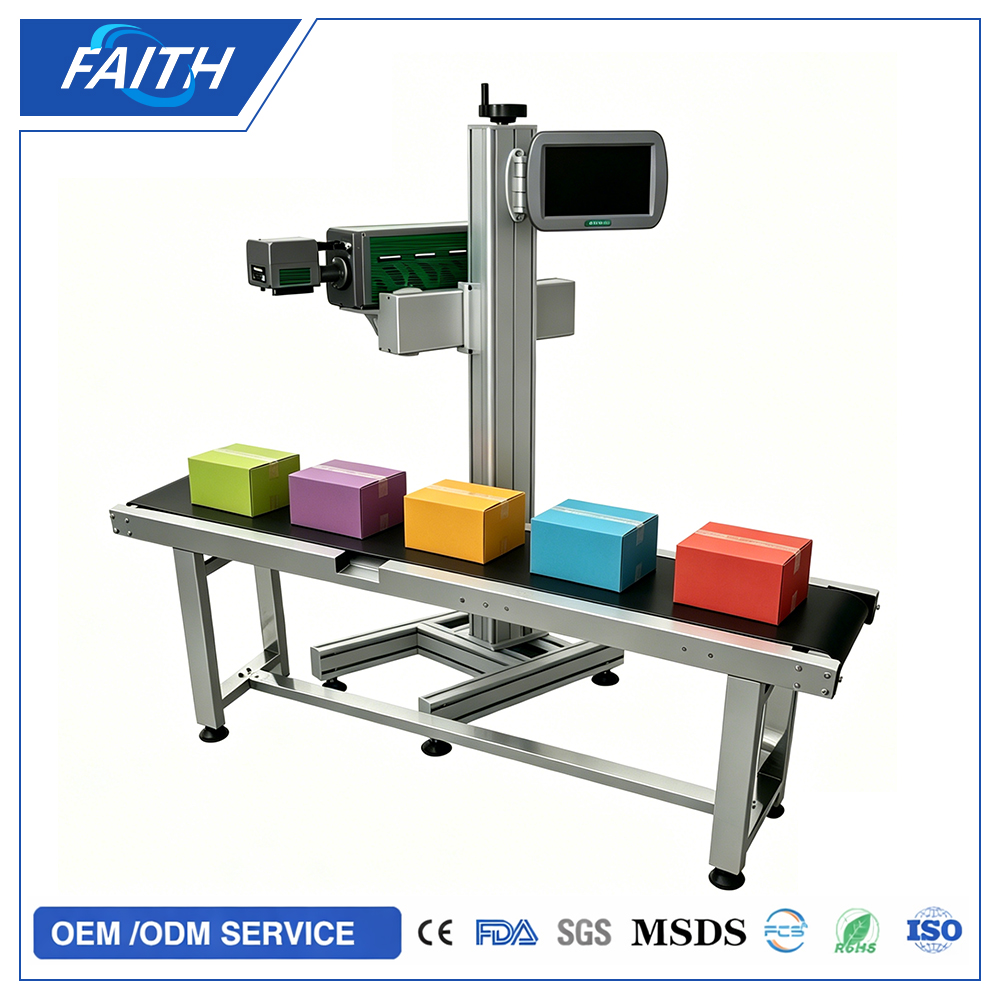
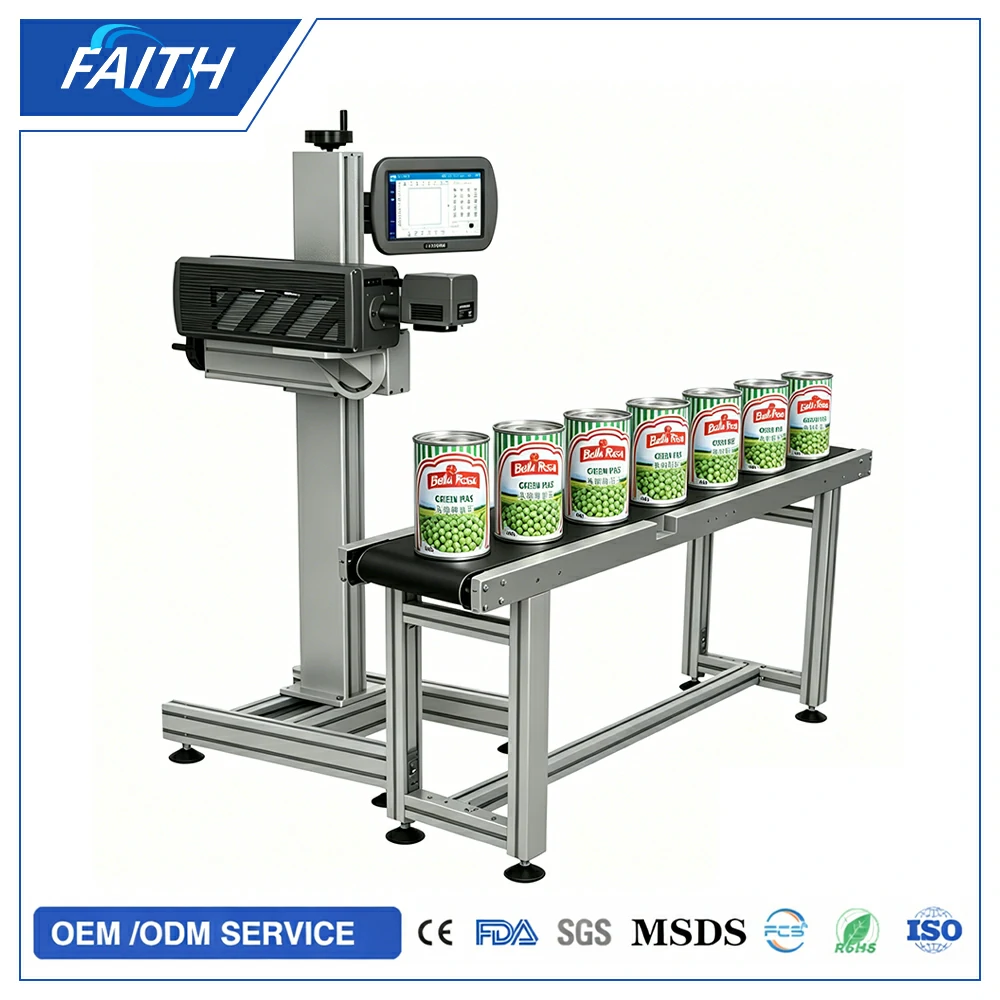
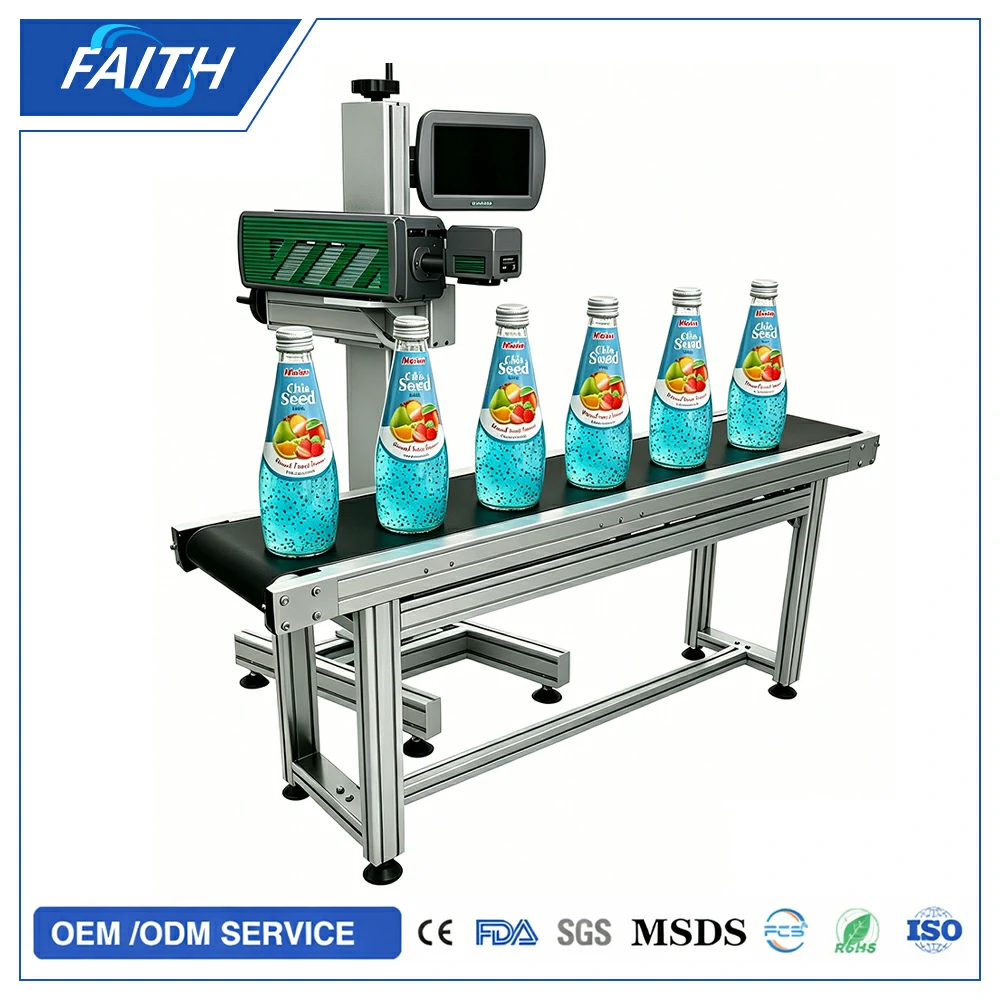
A production-line marking machine is more suitable when products move through a fixed manufacturing process. It may be connected to a PLC, barcode scanner or production database to automatically change serial numbers and batch information.
Standard pneumatic and electric dot peen machines are mainly used for letters, numbers, dates, product codes and simple logos.
QR codes require precise cell dimensions, clear boundaries, stable spacing and sufficient contrast. Standard dot peen equipment may not provide consistent scanning performance, particularly when the code is small or the workpiece surface is rough.
When customers require fine, reliably scannable QR codes or Data Matrix codes, a fiber laser marking machine is generally a more appropriate solution.
A pneumatic dot peen marking machine is generally more suitable for large, heavy or difficult-to-move products, especially when direct handheld operation or relatively deep marking is required.
An electric dot peen marking machine is generally more suitable for small and medium-sized products that can be positioned in a fixture and mainly require clear text, serial numbers, production dates or batch information.
The correct recommendation should always begin with the actual product rather than only the metal material. Before selecting a machine, the buyer should provide the product photograph, dimensions, marking position, required content, desired depth and daily production quantity. A sample marking test can then confirm the final machine configuration and marking result.
Please leave the message you want to inquiry. We will reply you as soon as possible within 24 hours.
Please leave the message you want to inquiry. We will reply you as soon as possible within 24 hours.