

In today’s manufacturing landscape, precision, durability, and efficiency define the success of industrial marking. laser marking machines have emerged as essential tools, transforming how industries handle traceability, product identification, and quality assurance. From automotive components to medical devices, these systems provide consistent, high-quality marks while boosting operational productivity.
A laser marking machine is a sophisticated industrial system that uses focused laser energy to create permanent marks on a variety of surfaces. Unlike traditional printing or stamping methods, laser marking is non-contact, precise, and capable of producing clear, long-lasting results on metals, plastics, and other materials.
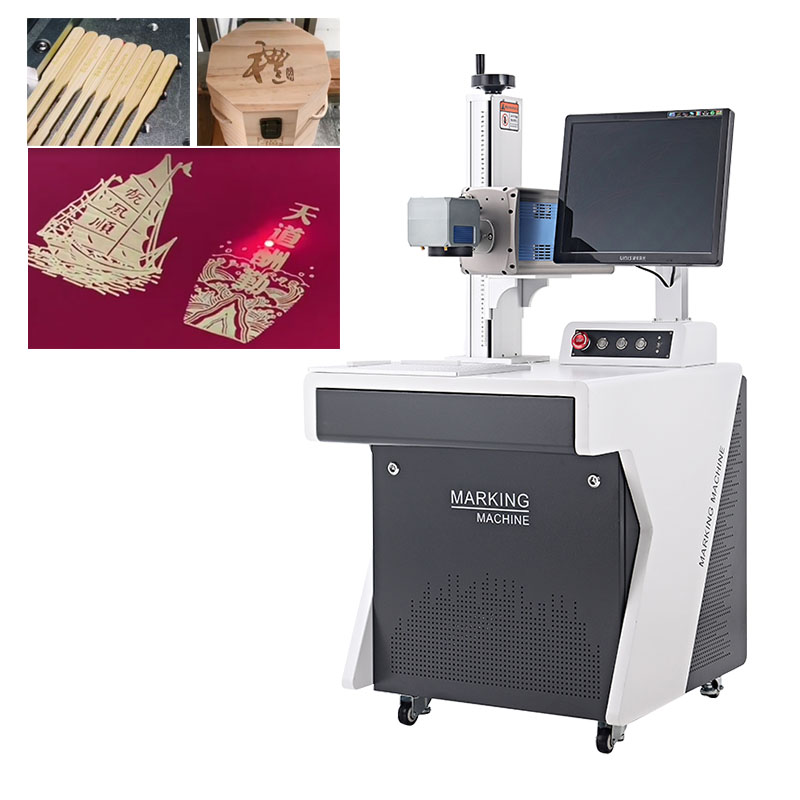
Key components include:
Laser Source: The heart of the system. Depending on the application, manufacturers can choose fiber lasers, CO₂ lasers, or Nd:YAG lasers to suit different materials and marking requirements.
Marking Head: Directs the laser beam onto the target surface with precision. Typically includes mirrors and lenses to focus and guide the beam.
Controller: Manages parameters such as power, speed, and pulse frequency, interpreting digital design files for accurate execution.
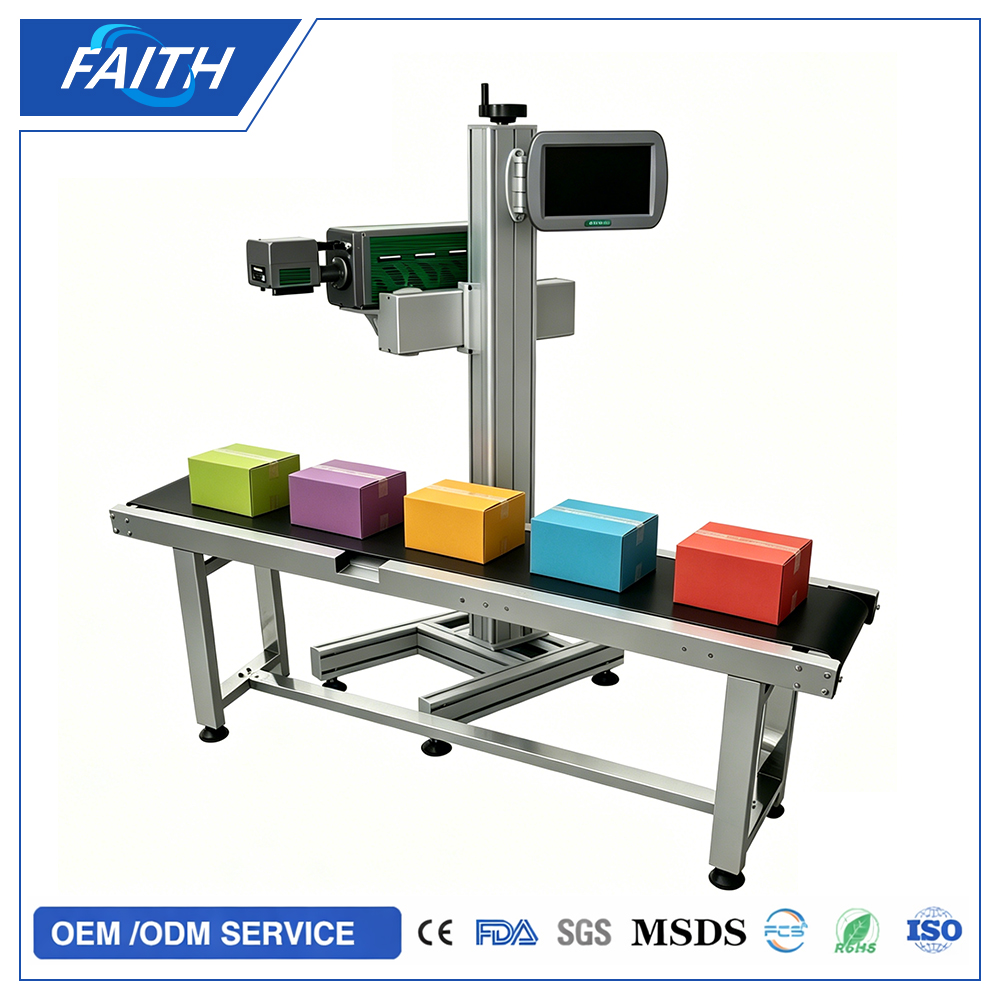
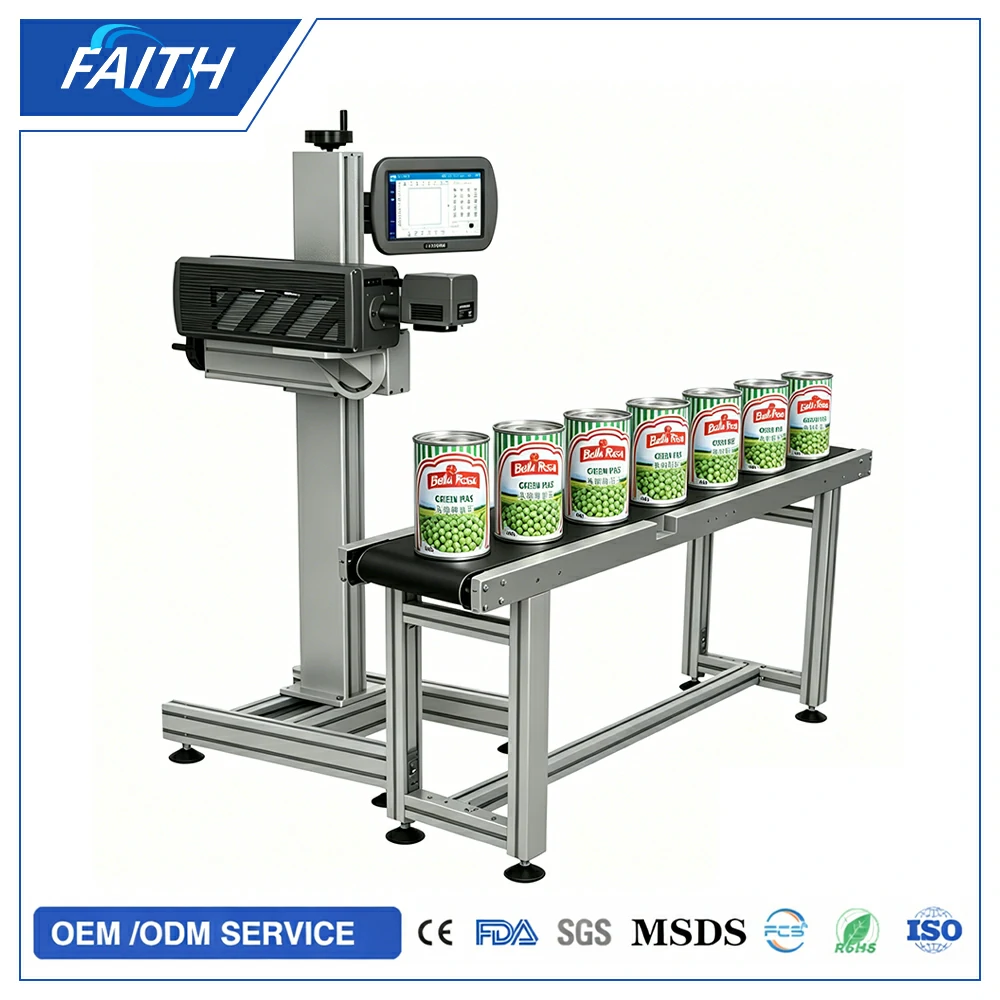
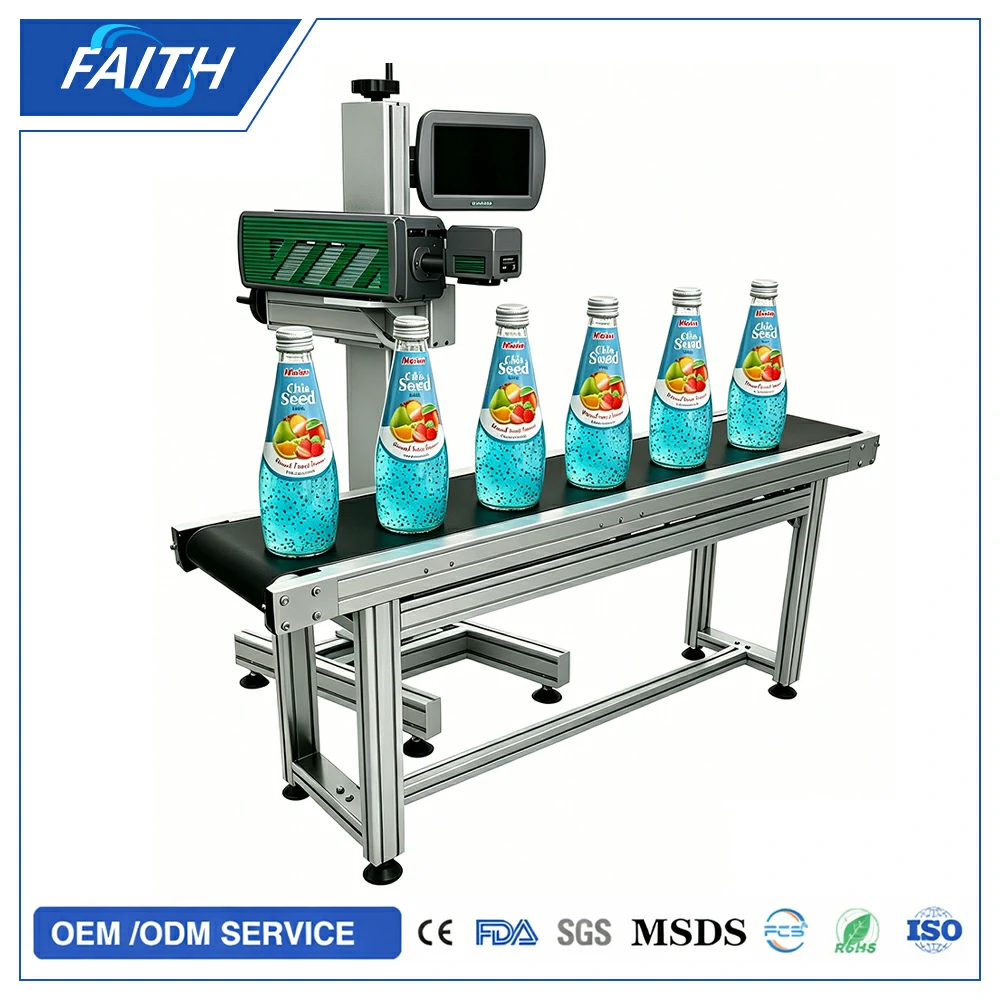
Workstation or Conveyor Integration: Machines can be part of manual stations or fully automated lines for high-volume production.
Safety Features: Enclosures, interlocks, and sensors protect operators from laser exposure.
1. Exceptional Precision
Laser marking machines operate at micron-level accuracy, ensuring consistent, sharp, and legible marks. Whether engraving intricate serial numbers on metal parts or etching high-resolution barcodes on polymers, lasers provide repeatable, high-definition results unattainable with traditional ink-based or dot-peen marking.
2. Unmatched Durability
Laser marks resist wear, chemical corrosion, and harsh environments. Unlike printed labels that fade or dot-peen marks that can wear off, laser engraving maintains its clarity throughout a product’s lifecycle. This enhances traceability, product authenticity, and brand reputation.
3. Material Versatility
A major benefit is the ability to mark a wide range of materials with the same precision and efficiency. Metals like steel, aluminum, and stainless steel, as well as plastics, rubber, and composite materials, can all be marked with a single system. This versatility reduces the need for multiple marking technologies and simplifies production workflows.
4. Eco-Friendly and Energy Efficient
In an era emphasizing sustainability, laser marking offers minimal waste and low energy consumption compared to ink-based or abrasive marking methods. High-efficiency laser sources reduce electricity use, and non-contact processing eliminates consumables, supporting green manufacturing initiatives while lowering operational costs.
5. Enhanced Productivity
Laser systems can mark parts rapidly, significantly reducing cycle times. High-speed laser marking machines are ideal for large-scale automotive or aerospace parts, enabling manufacturers to meet tight deadlines without compromising quality. Non-contact operation also reduces wear on equipment, lowering downtime and maintenance requirements.
6. Simplified Integration and Low Maintenance
Modern laser marking machines integrate easily into existing production lines. Whether through manual stations or automated conveyor systems, integration is straightforward. Non-contact marking eliminates mechanical wear, further minimizing maintenance needs. Manufacturers can focus on production rather than machine upkeep.
7. Boosting Traceability and Innovation
Laser marking supports advanced traceability solutions by enabling 2D barcodes, QR codes, and alphanumeric serial numbers. These marks serve as digital fingerprints, allowing real-time inventory tracking, supply chain monitoring, and product authentication throughout the lifecycle.
Laser marking machines are used widely across sectors:
Automotive: VIN plates, engine components, and parts serialization
Aerospace: Durable, high-contrast marks on titanium and aluminum components
Medical Devices: Biocompatible marks on implants and surgical tools
Electronics: Traceable markings on PCBs, battery foils, and connectors
Consumer Products: Logos, QR codes, and branding on packaging, tools, and accessories
Their non-contact, permanent marking ensures minimal material stress while maintaining product integrity.
Precision: Micro-level accuracy ensures legible, high-quality marks on diverse surfaces.
Durability: Marks remain intact under wear, chemicals, and environmental stress.
Material Compatibility: Metals, plastics, rubbers, and composites can all be marked efficiently.
Eco-Friendly: Minimal waste and low energy use support sustainability goals.
Operational Efficiency: Fast marking cycles increase throughput and reduce downtime.
Easy Integration: Flexible installation options for manual or automated lines.
Enhanced Traceability: Supports barcodes, QR codes, and serialized identification for digital supply chains.
The rise of laser marking machines marks a new era for manufacturing. By combining precision, durability, efficiency, and sustainability, these systems elevate industrial marking beyond compliance, enabling reliable traceability, faster production, and enhanced brand value.
As industries embrace laser technology, manufacturers gain a versatile, long-lasting, and eco-conscious solution that transforms marking into a strategic advantage. Whether for aerospace, automotive, medical, or consumer products, laser marking machines provide the performance and flexibility required for modern industrial demands.
Please leave the message you want to inquiry. We will reply you as soon as possible within 24 hours.
Please leave the message you want to inquiry. We will reply you as soon as possible within 24 hours.