

Industrial marking has evolved from simple logo engraving to a core component of digital manufacturing. Modern laser marking machines enable industrial traceability, quality control, and brand protection, supporting automated production and data-driven decision-making across metals, polymers, and advanced composites.
In this post, we explore emerging trends in laser marking solutions, including AI-assisted optimization, advanced laser sources, inline verification, IIoT connectivity, and sustainable design practices. This guide helps manufacturers understand key capabilities, assess investments, and maximize throughput while ensuring compliance.
Market Growth and Industry Drivers
The global laser marking market is projected to grow from USD 3.14 billion in 2023 to USD 6.07 billion by 2032, reflecting a 7.64% CAGR. Growth is driven by regulatory traceability mandates, automation upgrades, and high-mix, low-volume production.
Regional dynamics vary: Asia-Pacific leads with electronics and automotive clusters, while Europe and North America focus on aerospace, medical devices, and precision engineering. For buyers, this signals maturing suppliers, better integration capabilities, and improved total cost of ownership.
Key industries such as aerospace, medical, and electronics demand micron-level precision, durability, and permanent identification. These sectors define performance baselines for the broader manufacturing market.
Advances in Laser Technology
Fiber and Diode-Pumped Lasers
Fiber laser marking machines dominate metal processing due to high stability, repeatable marks, and long operational lifetimes. Diode-pumped solid-state (DPSS) lasers enable fine, high-contrast marking on metals and engineered polymers with minimal heat-affected zones. Short pulses and precise galvo scanning deliver permanent, high-density codes on challenging substrates like titanium, aluminum, and stainless steel.
UV and Green Lasers
For plastics and delicate surfaces, UV and green laser sources expand material compatibility. They reduce thermal stress while maintaining high contrast for small Data Matrix codes, logos, and serial numbers.
AI-Driven Optimization
Manual trial-and-error parameter setting is increasingly replaced with AI-assisted control. Neural networks and genetic algorithms optimize laser power, pulse frequency, scan paths, and hatch spacing, balancing contrast, speed, and material impact. These methods reduce setup time, minimize scrap, and improve code consistency—critical for aerospace and medical applications.
Laser Marking Additives
Specialized laser-marking additives enhance contrast on polymers with low infrared absorption, allowing lower energy use and faster cycles. Additives enable clean edges, crisp grayscale logos, and micro-QR codes that are machine-readable and compliant with industry standards.
Intelligent Integration and Connectivity
Inline Verification
Modern laser marking solutions often include inline vision systems that check mark quality immediately after processing. Feedback loops adjust parameters in real-time, ensuring consistent contrast, edge sharpness, and readability.
IIoT and MES Integration
IoT-enabled connectivity links multiple marking stations to MES/ERP systems, allowing telemetry, mark verification, and predictive maintenance. Standard protocols like OPC UA enable cross-site optimization, sharing best practices without compromising IP.
Self-Optimizing Networks
Connected laser marking systems can self-optimize across fleets. Data-driven algorithms adjust scan speed, laser power, and hatch strategies to maximize throughput while maintaining traceable, permanent marks.
Sustainability and Efficiency
Energy efficiency is increasingly central to laser marking solutions. Modern machines feature:
High-efficiency fiber sources
Optimized pulse scheduling
Minimal overburn via precise parameter control
Energy recovery from fume extraction systems
Combined with laser-marking additives and AI-driven recipes, manufacturers reduce energy consumption, scrap, and overall environmental impact while maintaining mark quality and speed.
Applications Across Industries
Aerospace: Permanent UID codes, part serialization, and MRO traceability on titanium, Inconel, and aluminum
Medical devices: Biocompatible marks on implants and surgical instruments that survive sterilization
Electronics & EV: High-speed marking on aluminum foils, copper traces, and PCBs
Industrial manufacturing: Tool and machine identification, nameplates, and labels
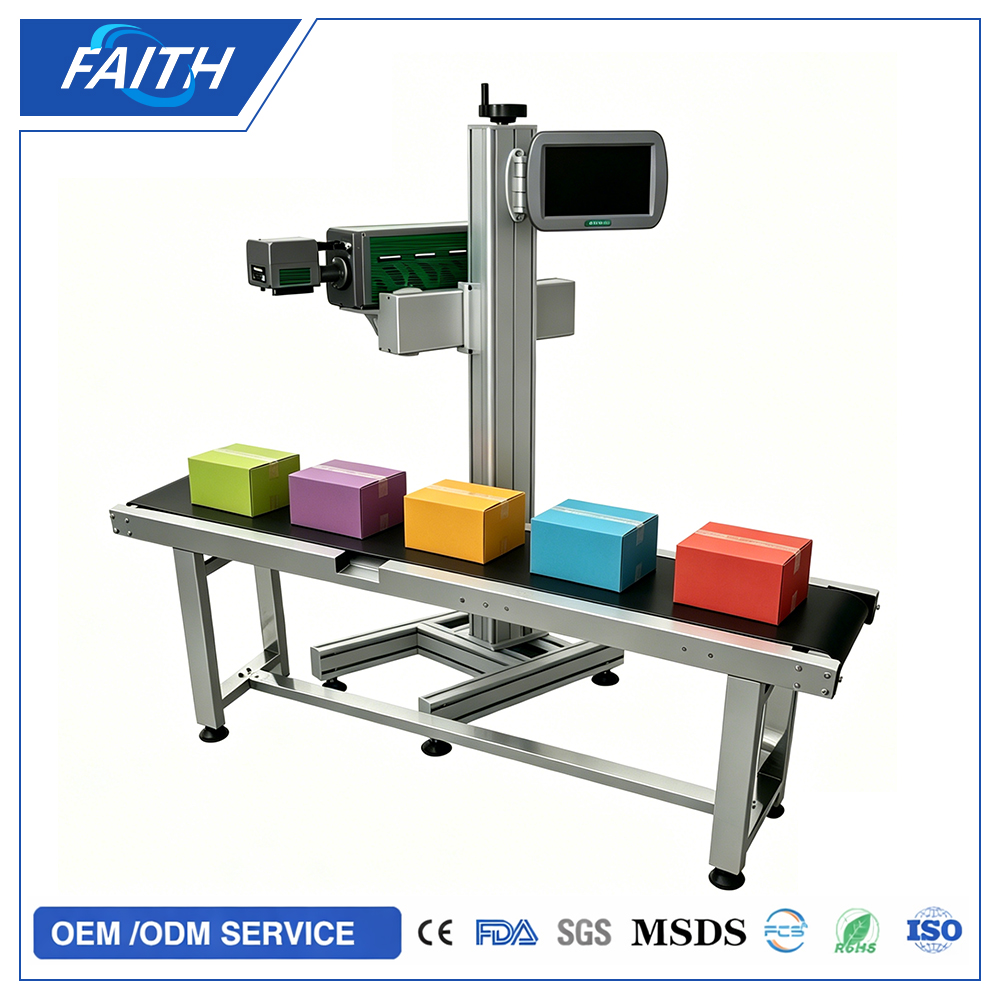
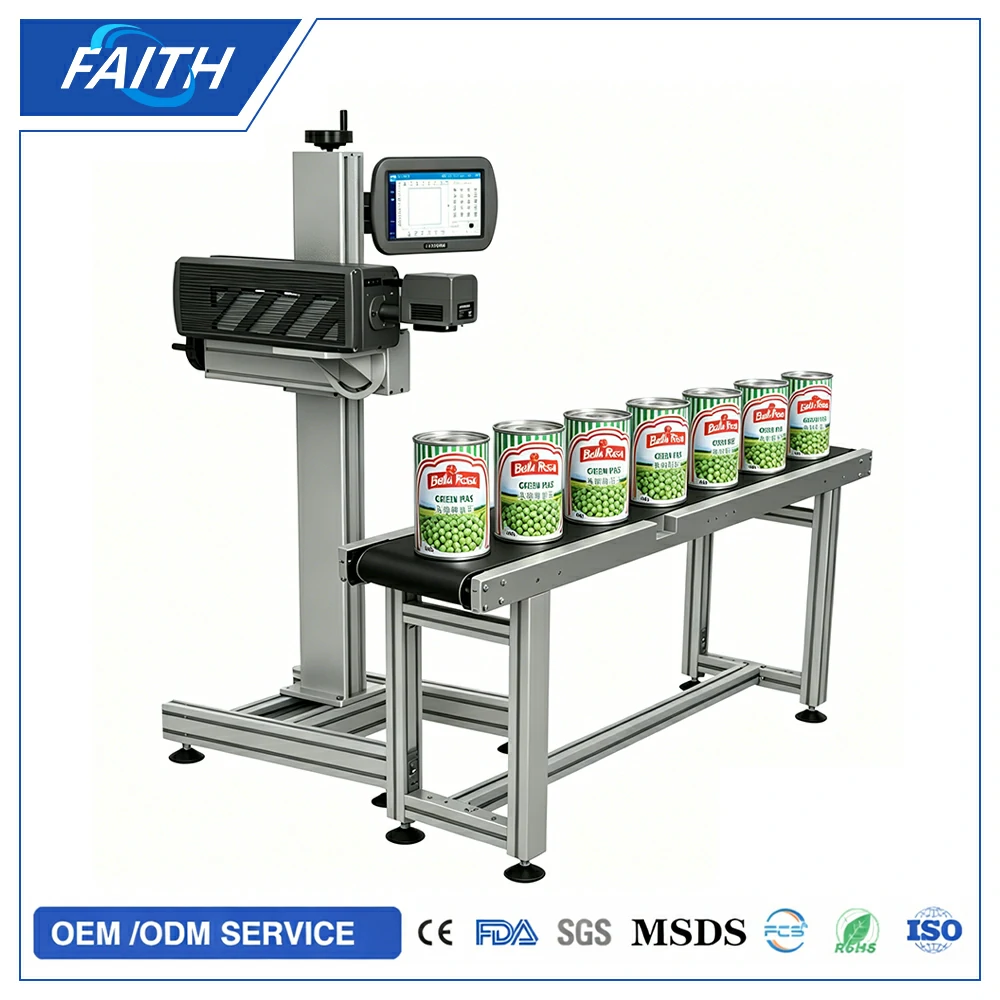
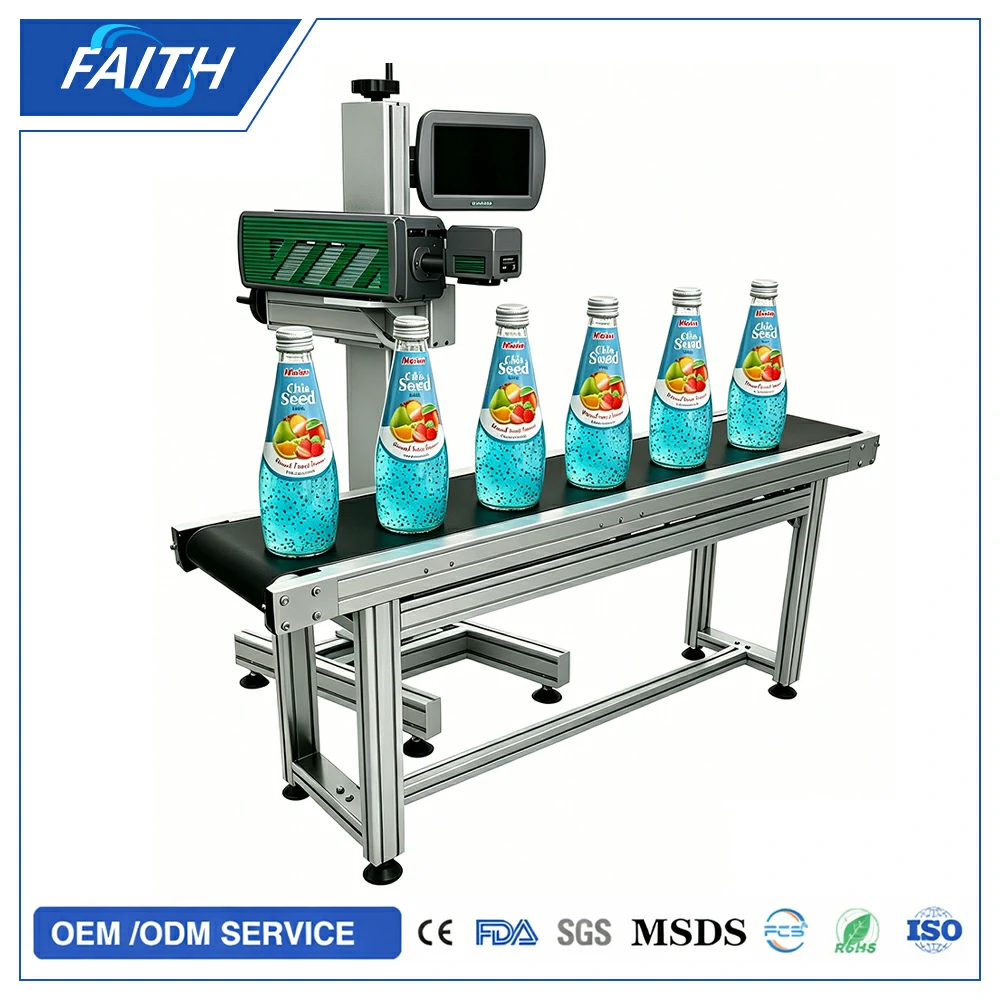
Packaging & consumer products: Logo engraving, serialization, and branding at line speed without consumables
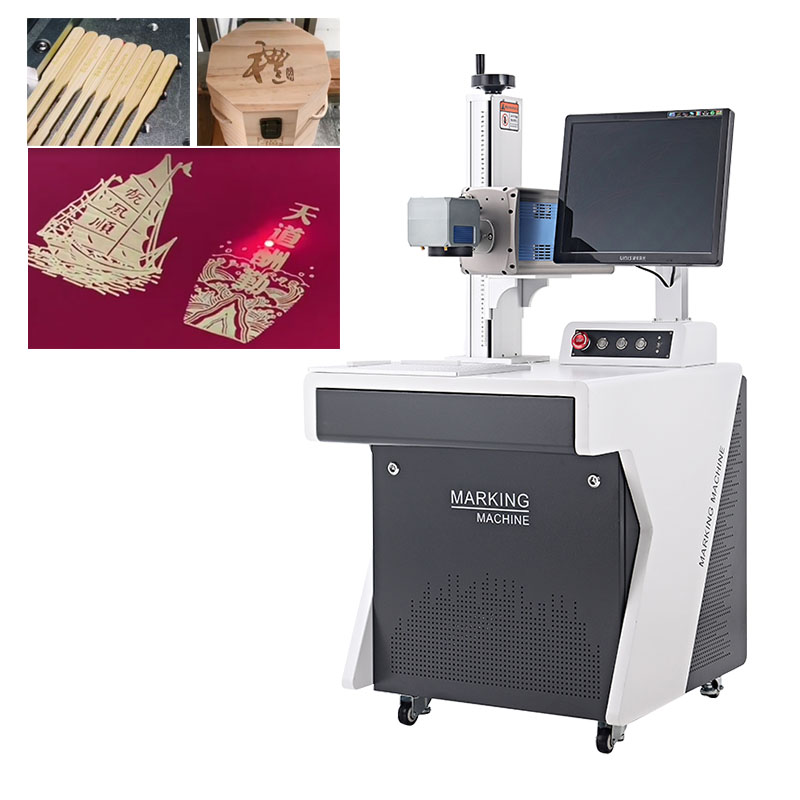
Laser marking machines offer non-contact, durable, and precise marking that minimizes mechanical stress and maintains material integrity.
Safety, Compliance, and Operational Best Practices
Safe operation is essential. Key practices include:
Fully enclosed Class Lsystems with interlocked access
Verified beam containment and fume extraction
Operator training in wavelength-specific hazards and lockout/tagout
Preventive maintenance: shutter checks, eyewear inspections, and power calibration
Compliance with ANSI Z136.1, ISO 11553-1, and ISO 12100 standards
Software-controlled recipes, user roles, and audit logs ensure regulatory compliance and traceability across industrial marking operations.
Strategic Takeaways for Manufacturers
Investing in intelligent laser marking solutions can transform marking from a compliance cost to a strategic asset:
Match laser source to substrate: fiber for metals, UV/green for polymers
Leverage AI-driven optimization for speed, repeatability, and minimal thermal impact
Use inline vision and MES integration for closed-loop quality
Incorporate laser-marking additives for higher contrast and faster cycles
Prioritize energy-efficient sources and sustainable practices to reduce operational cost
Early adopters achieve measurable gains: higher throughput, lower scrap, reliable traceability, and stronger brand protection. As market demand grows, laser marking machines will continue evolving into connected, intelligent production platforms, enabling resilient and data-rich manufacturing operations.
Please leave the message you want to inquiry. We will reply you as soon as possible within 24 hours.
Please leave the message you want to inquiry. We will reply you as soon as possible within 24 hours.