

marking stainless steel pipe specifications on curved surfaces poses unique challenges due to the material's hardness, the geometry of the surface, and the need for durability in various environments. This article explores effective techniques, technologies, and considerations for achieving permanent markings on stainless steel pipes, ensuring compliance and traceability in industrial applications.
Permanent marking on stainless steel pipes is essential for several reasons: it ensures traceability, facilitates compliance with industry regulations, and enhances safety by providing vital information about the pipe's specifications, such as material grade, dimensions, and intended use. In environments where pipes are exposed to extreme conditions, the durability of these markings becomes even more critical, as they must withstand corrosion, abrasion, and other potential wear factors.
Marking on curved surfaces presents distinct challenges, including:
Several methods can effectively mark specifications on curved stainless steel surfaces, each with its advantages and ideal use cases:
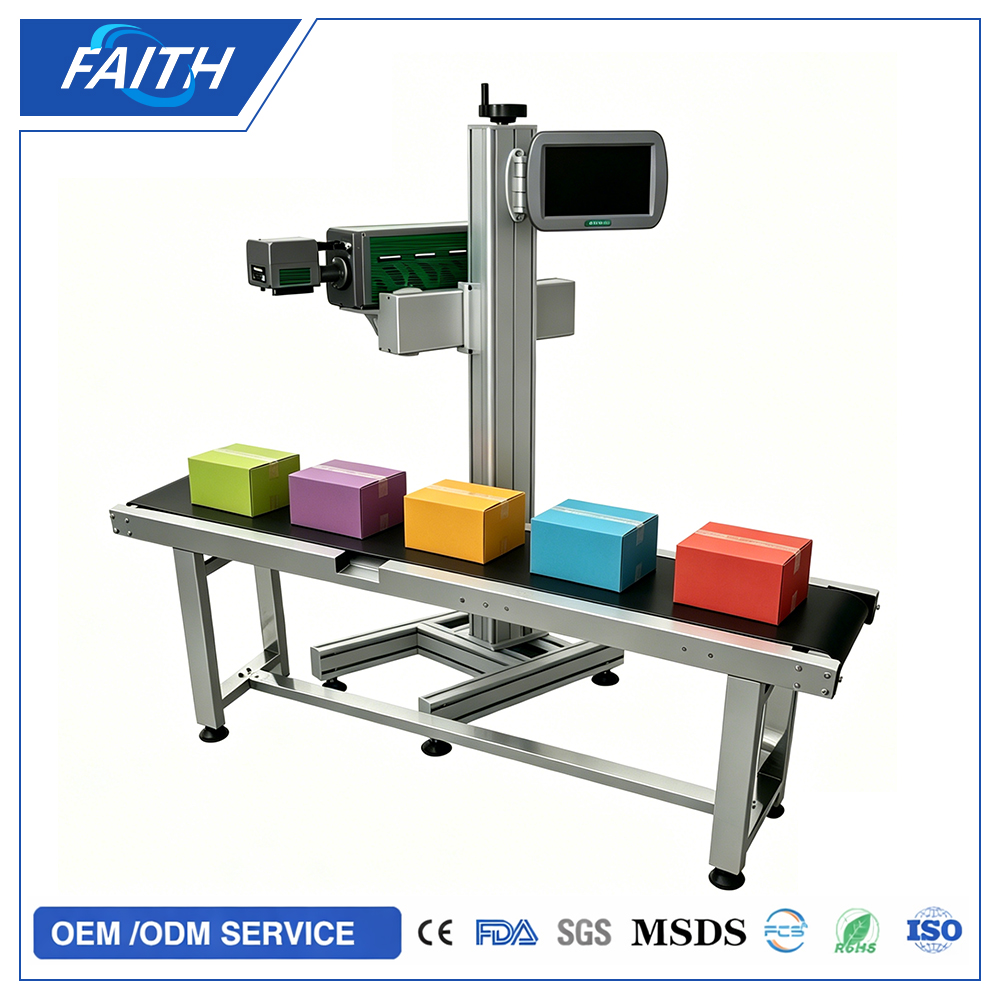
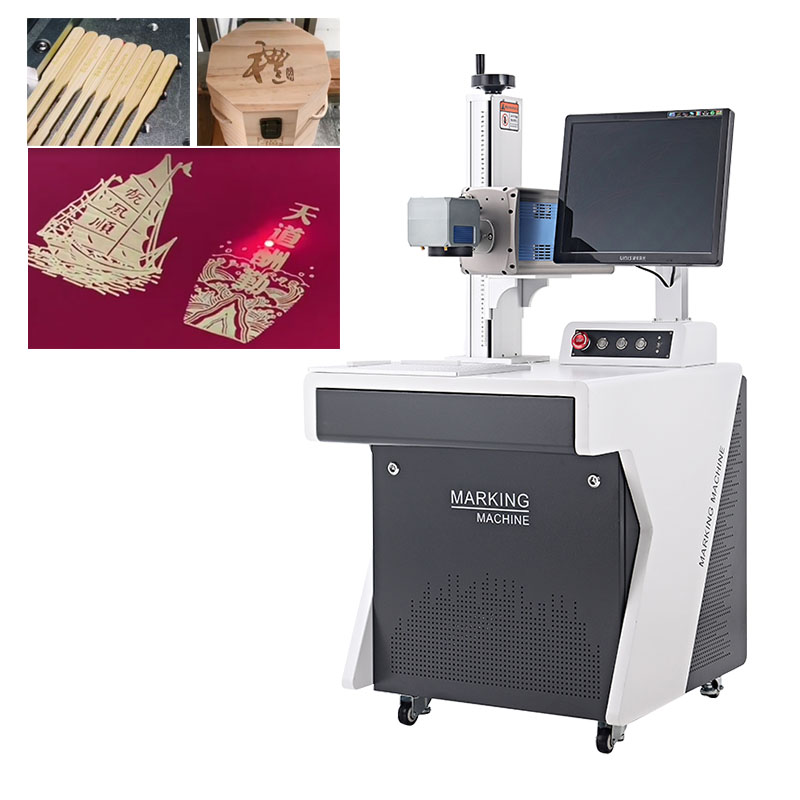
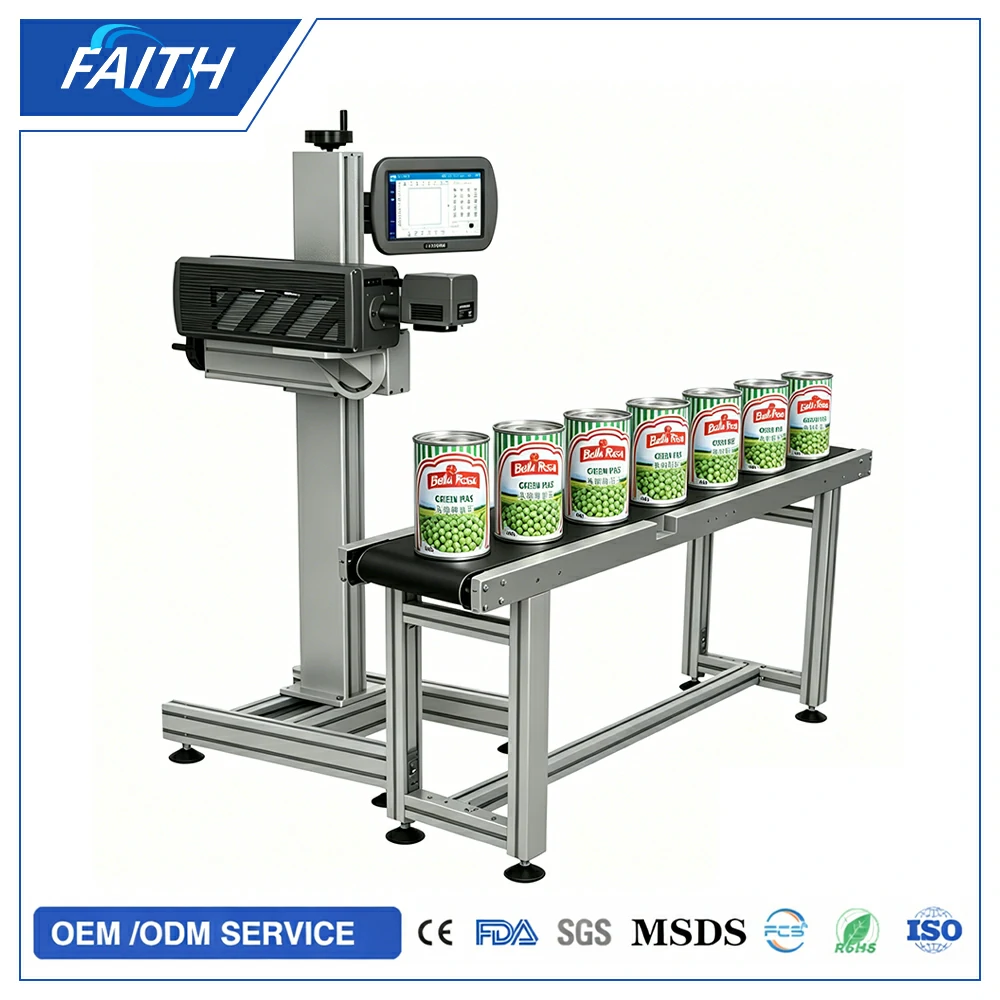
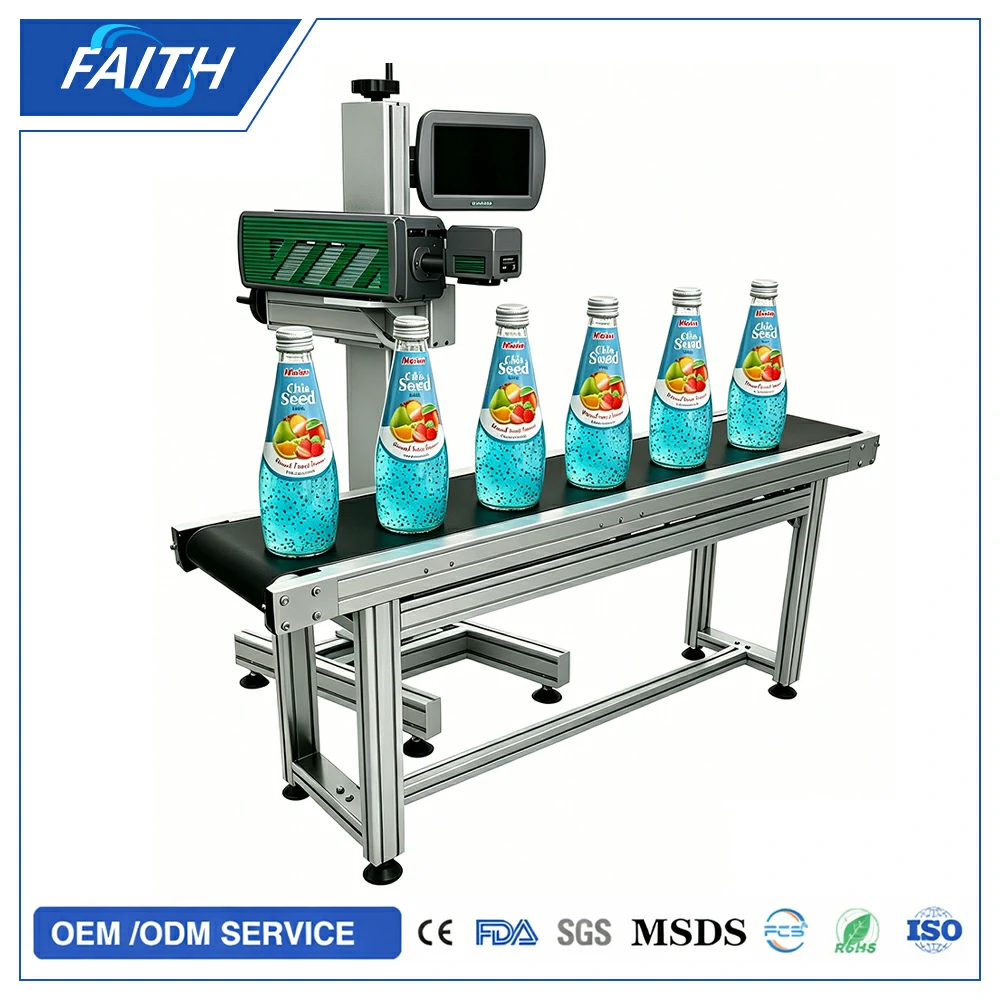
Laser marking is a highly precise technique that uses focused light to etch information onto the surface. This method is particularly effective for stainless steel due to its ability to create high-contrast, permanent markings without compromising the integrity of the material.
Advantages:
Considerations: Ensure the laser settings are optimized for the specific type of stainless steel to avoid excessive heat that could lead to warping.
Mechanical engraving involves physically cutting into the surface of the stainless steel to create a permanent mark. This technique can be performed using CNC machines, which offer high accuracy and repeatability.
Advantages:
Considerations: The process may require special tooling to accommodate curved surfaces, and care must be taken to avoid affecting the pipe's structural integrity.
Stamping involves using a die to imprint information onto the surface. This method is effective for creating clear and permanent markings, especially on larger pipes where precision is slightly less critical.
Advantages:
Considerations: Proper alignment and pressure are crucial to ensure consistent markings on curved surfaces.
Chemical etching utilizes corrosive substances to create markings on stainless steel. This method is suitable for intricate designs and can be applied to various surface profiles.
Advantages:
Considerations: Ensure proper handling and disposal of chemicals, and consider the time required for the etching process.
When marking stainless steel pipes, it's essential to consider the specific grade of stainless steel being used, as different grades may respond differently to various marking techniques. For example, austenitic stainless steels are generally more amenable to laser marking and engraving, while ferritic grades may require adjustments in technique due to differences in hardness and corrosion resistance.
To ensure optimal results when marking stainless steel pipe specifications on curved surfaces, consider the following best practices:
Permanently marking stainless steel pipe specifications on curved surfaces requires a combination of the right techniques, materials, and best practices to achieve durability and clarity. By understanding the available marking methods—such as laser marking, engraving, stamping, and chemical etching—B2B buyers can make informed decisions that enhance traceability, compliance, and safety in their operations. It's crucial to consider the specific requirements of the application, including the environmental conditions and material specifications, to ensure long-lasting and effective markings.
Please leave the message you want to inquiry. We will reply you as soon as possible within 24 hours.
Please leave the message you want to inquiry. We will reply you as soon as possible within 24 hours.