

laser marking has become an essential technology in modern manufacturing due to its precision, durability, and flexibility. However, not all laser systems operate in the same way, and their performance depends heavily on the type of material being processed.
Fiber, CO₂, and UV Laser marking machines each use different wavelengths and energy characteristics, making them suitable for specific industrial applications.
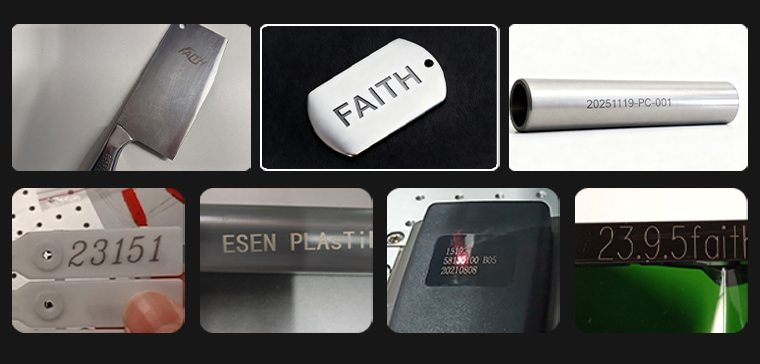
Fiber laser systems are designed specifically for high-performance metal marking. Their wavelength is highly absorbed by metallic surfaces, allowing efficient energy transfer during the marking process.
When applied to metals such as stainless steel or aluminum, the laser beam creates permanent marks through surface oxidation or controlled material removal. This results in high-contrast, long-lasting identification marks.
Fiber laser marking is widely used in industries requiring traceability, including automotive components, machinery parts, electronic devices, and industrial tools.
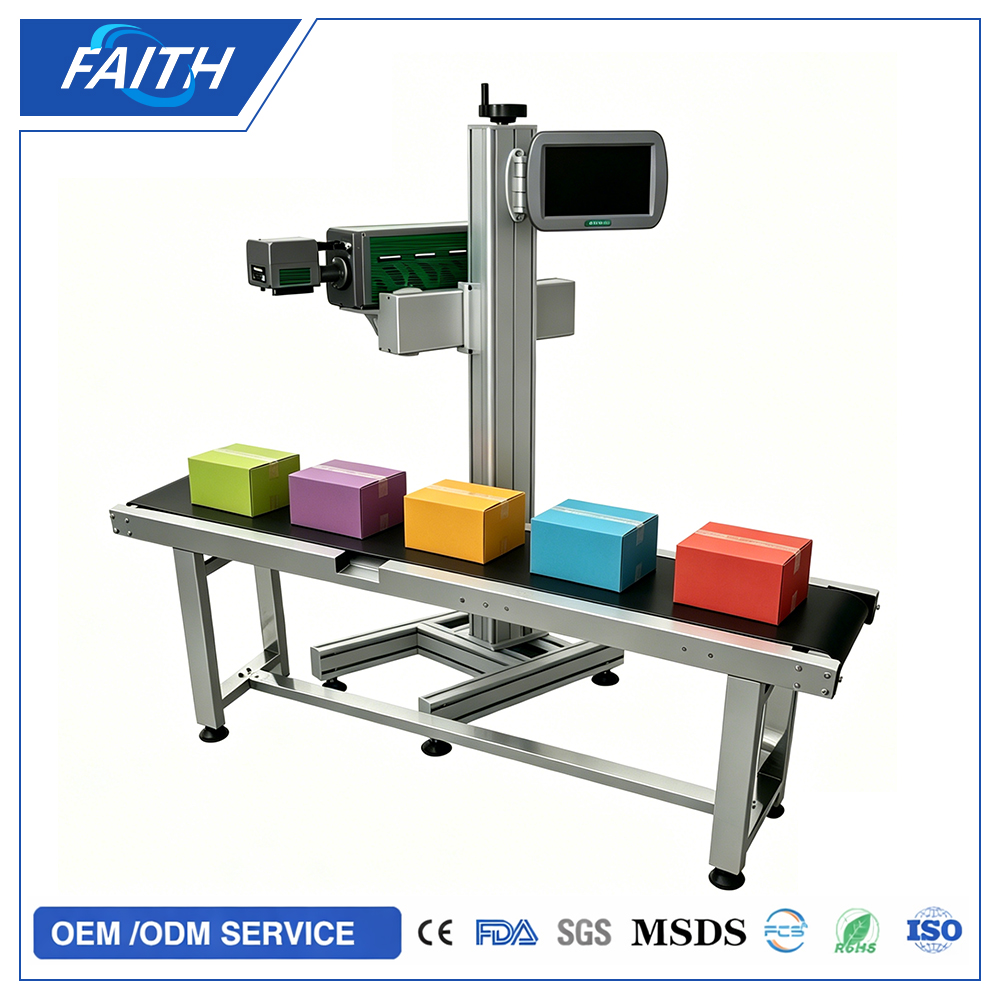
One of the biggest advantages of fiber laser technology is its speed. It can complete marking tasks within seconds, making it suitable for automated production lines. In addition, it offers excellent stability and long service life with minimal maintenance requirements.
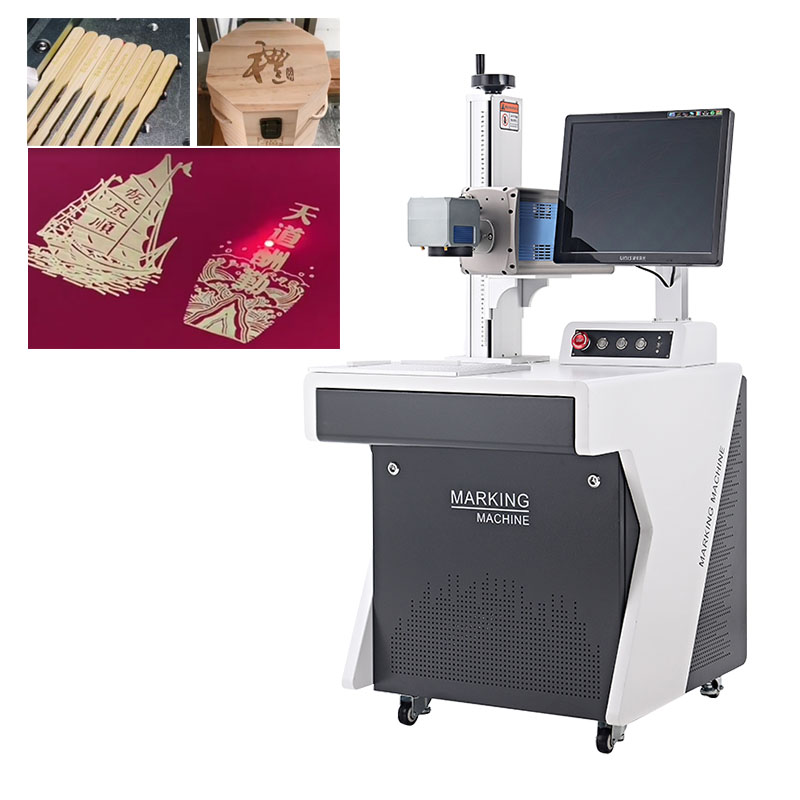
CO₂ laser marking machines are best suited for organic and non-metallic materials. Their wavelength is efficiently absorbed by plastics, paper, wood, and similar materials.
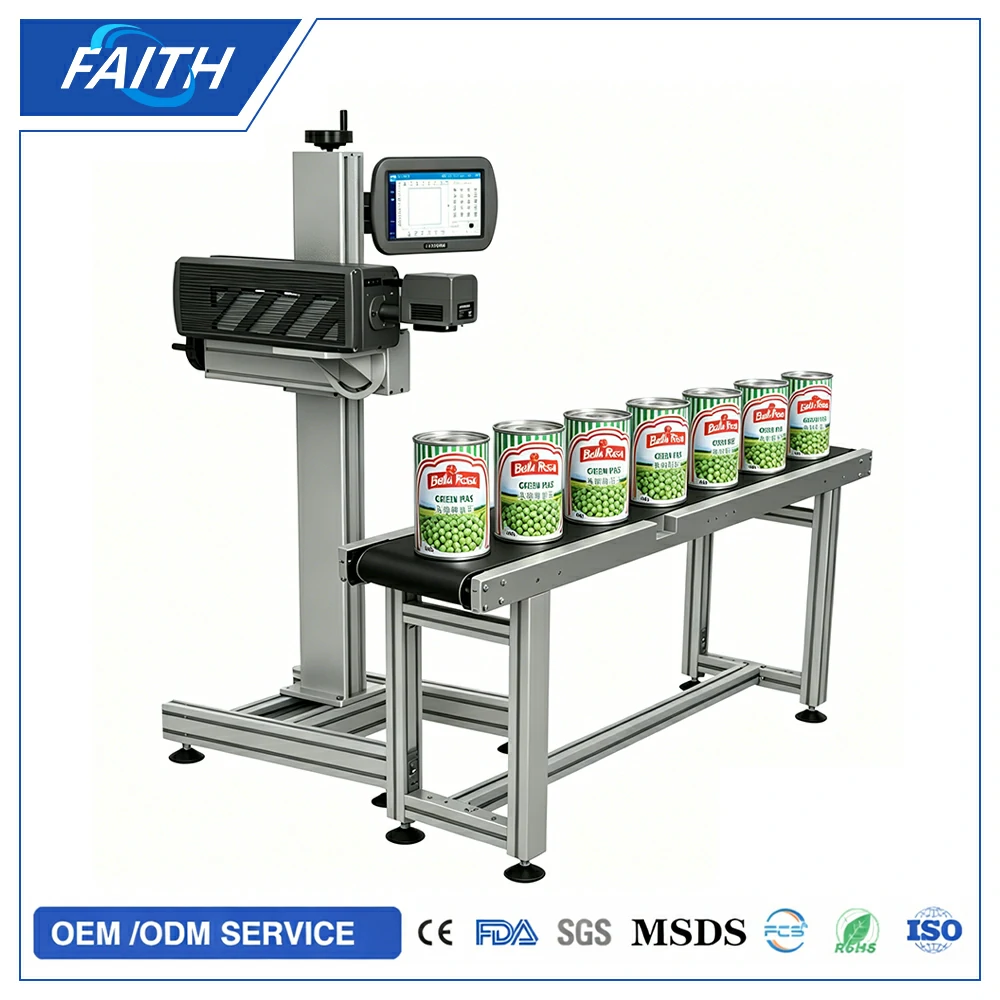
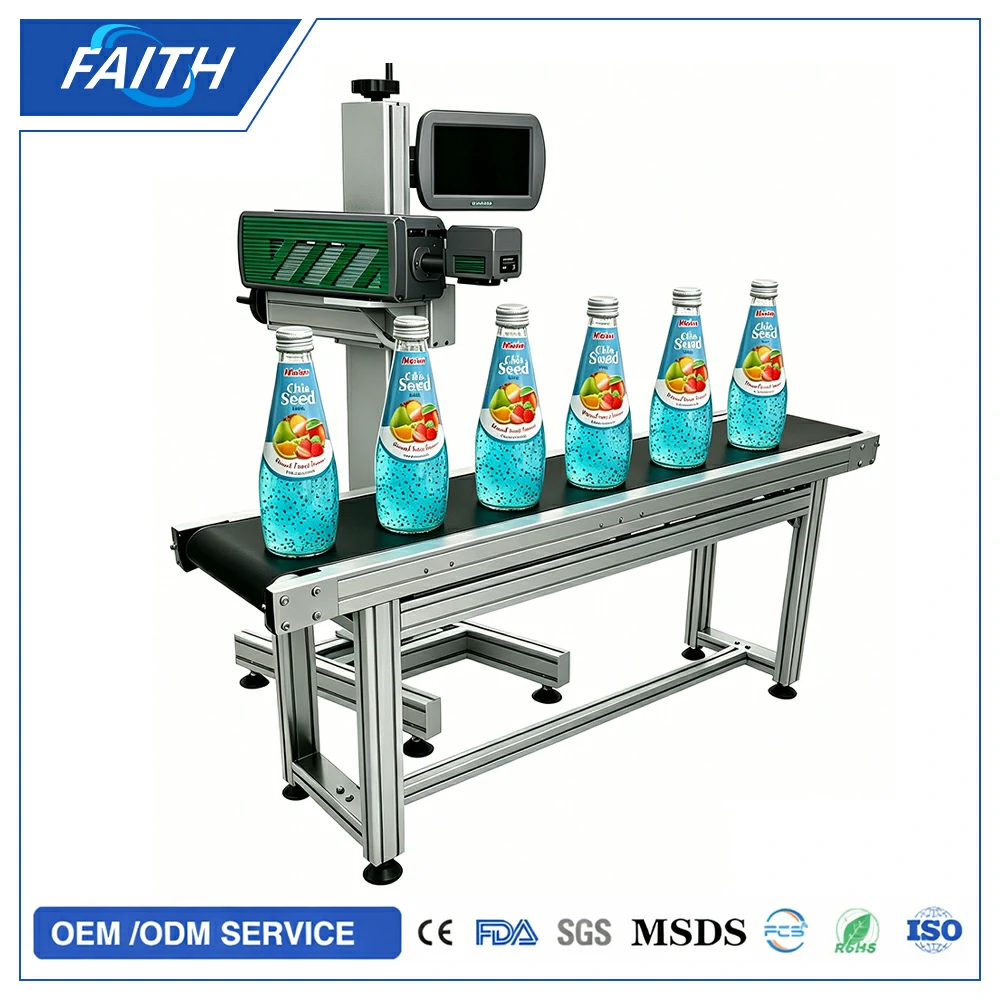
In plastic manufacturing, CO₂ lasers are commonly used for product labeling, packaging codes, and batch identification. They are widely applied in food packaging, beverage bottles, and industrial packaging films.
The laser interacts with the surface layer of the material, causing it to vaporize or change color depending on the material type. This process does not require inks or additional consumables, making it cost-effective and environmentally friendly.
However, precise parameter control is necessary because different plastic materials respond differently to laser energy. Some may darken, while others may melt slightly or change texture.
CO₂ laser marking is widely used in high-speed production environments where efficiency and consistency are important.
UV laser marking machines are designed for ultra-fine and low-heat processing applications. Their short wavelength allows precise energy control, which minimizes thermal impact on the material surface.
This makes UV lasers ideal for glass products, such as bottles, cosmetic containers, and laboratory equipment. The marking process creates micro-level surface changes without cracking or damaging the material.
UV lasers are also widely used in industries requiring extremely high precision, including medical devices and electronics manufacturing.
The main advantage of UV technology is its ability to produce clean, sharp, and permanent marks on fragile materials that cannot withstand heat exposure.
Each laser system is designed for a specific type of material interaction. Fiber lasers perform best on metals due to strong absorption characteristics. CO₂ lasers are optimized for organic materials like plastics and packaging. UV lasers provide precision processing for glass and sensitive surfaces.
Selecting the correct laser type is critical for ensuring marking quality, reducing defects, and improving production efficiency.
Fiber, CO₂, and UV laser marking machines each play a unique role in modern manufacturing. Their differences are not only technical but also application-driven.
By understanding how each system interacts with different materials, manufacturers can make better equipment choices and improve overall production performance.
Fiber lasers dominate metal marking applications, CO₂ lasers are widely used in plastic and packaging industries, and UV lasers are essential for high-precision glass and delicate material processing.
Choosing the right technology ensures long-term stability, better product appearance, and higher industrial efficiency.
Please leave the message you want to inquiry. We will reply you as soon as possible within 24 hours.
Please leave the message you want to inquiry. We will reply you as soon as possible within 24 hours.