

In the automotive manufacturing industry, traceability and part identification are critical requirements. Every metal component used in vehicles must carry a permanent marking such as a serial number, QR code, or batch code. This ensures quality control, safety tracking, and production management throughout the entire supply chain.
For this purpose, the Fiber laser marking machine has become the most widely used solution for stainless steel automotive parts.
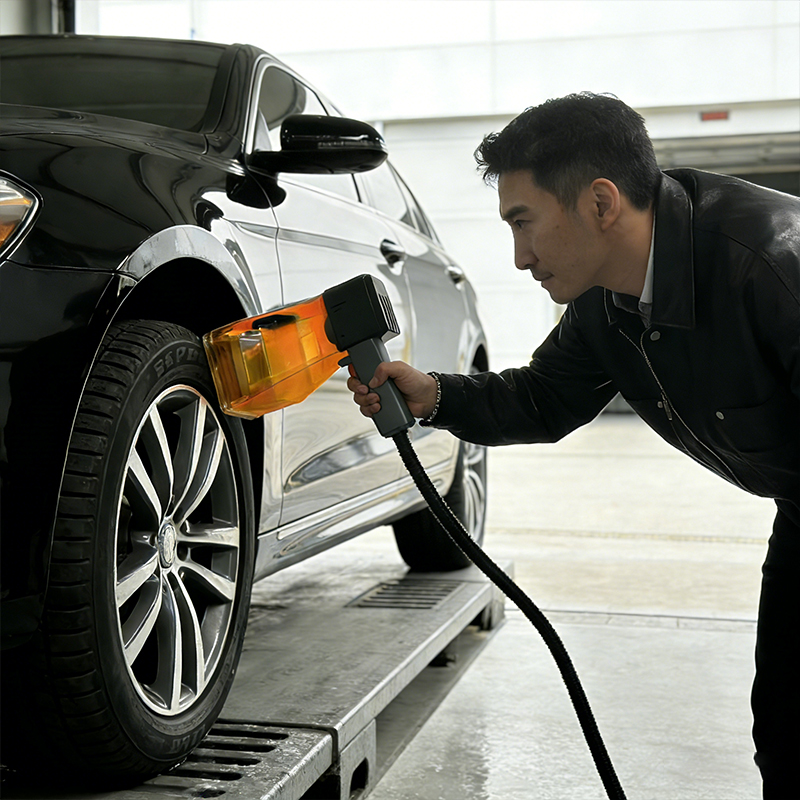
Stainless steel is one of the most common materials used in automotive components such as engine parts, brackets, fasteners, and structural connectors. This material requires a marking method that is both durable and resistant to heat, oil, and corrosion.
Fiber laser technology uses a high-energy laser beam that is strongly absorbed by metal surfaces. When the beam interacts with stainless steel, it creates a permanent mark through surface oxidation or engraving without damaging the structural integrity of the part.
This makes it ideal for industrial environments where long-term durability is required.
Fiber laser marking machines are widely used in automotive production lines for:
These markings remain readable even under extreme working conditions such as high temperature, friction, and chemical exposure.
One of the biggest advantages of fiber laser marking in automotive factories is its production speed. The system can complete marking in seconds, making it suitable for automated assembly lines.
In addition, fiber lasers offer extremely high precision, allowing manufacturers to mark very small codes and logos without affecting readability.
The system is also maintenance-free compared to ink-based or mechanical marking systems, reducing long-term operational costs.
For stainless steel automotive parts, fiber laser marking machines provide the most reliable and efficient solution. They ensure permanent identification, high-speed production, and excellent marking quality, making them an essential tool in modern automotive manufacturing.
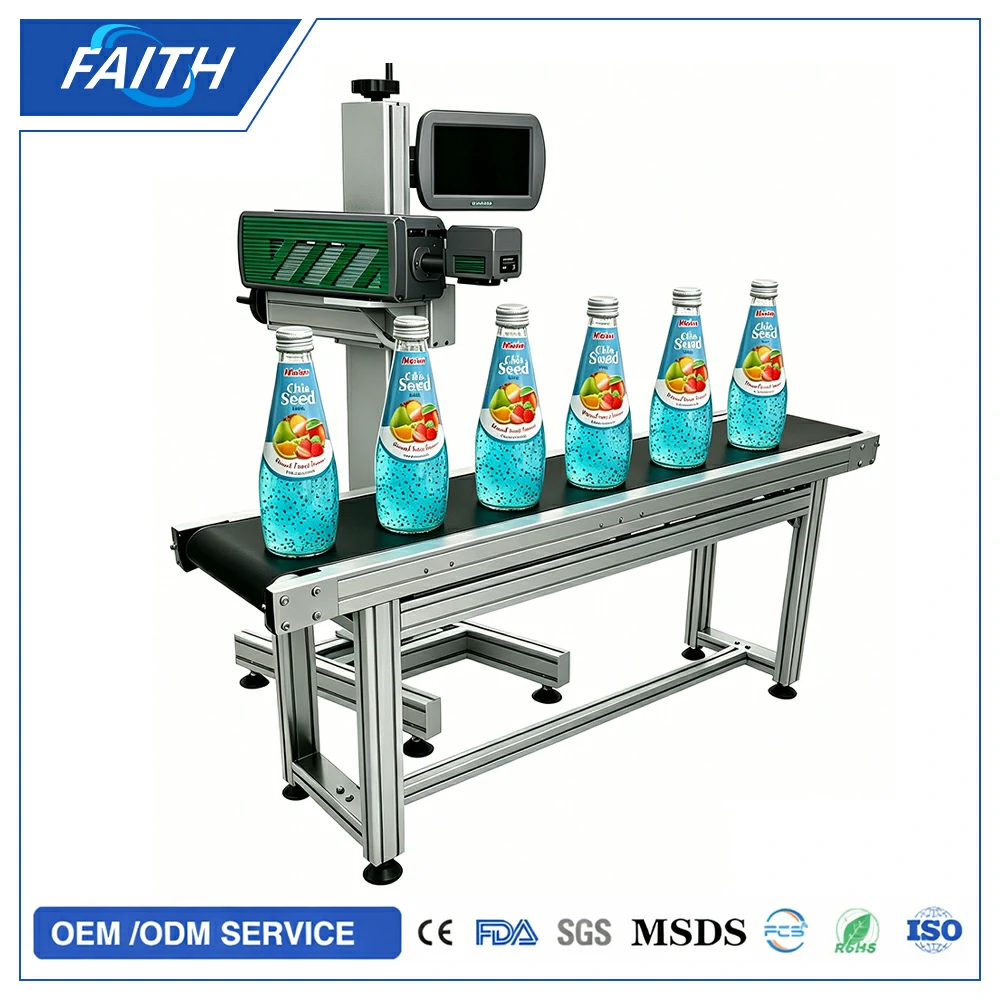
In the beverage packaging industry, product identification and traceability are essential for quality control and regulatory compliance. Every bottle must include clear and permanent information such as production date, batch number, and QR code.
For PET plastic bottles, the most effective solution is the CO₂ laser marking machine.
PET plastic is widely used in beverage packaging due to its lightweight, transparency, and recyclability. However, traditional ink printing methods often suffer from fading, smudging, or environmental concerns.
CO₂ laser marking solves these problems by using a high-energy laser beam that interacts directly with the plastic surface. The beam modifies the surface layer without using ink or consumables, creating a permanent and clean mark.
This makes it highly suitable for high-speed beverage production lines.
CO₂ laser marking machines are commonly used for:
These applications require fast processing and consistent marking quality across millions of units.
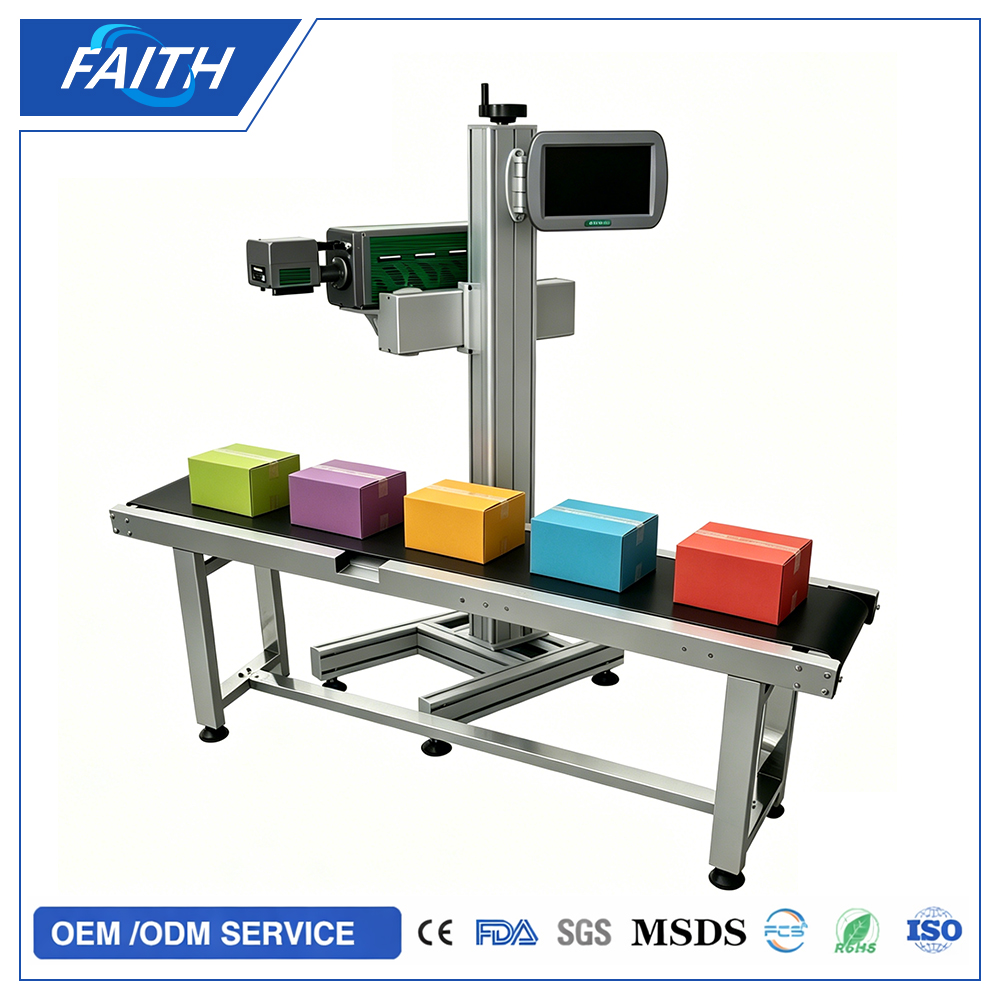
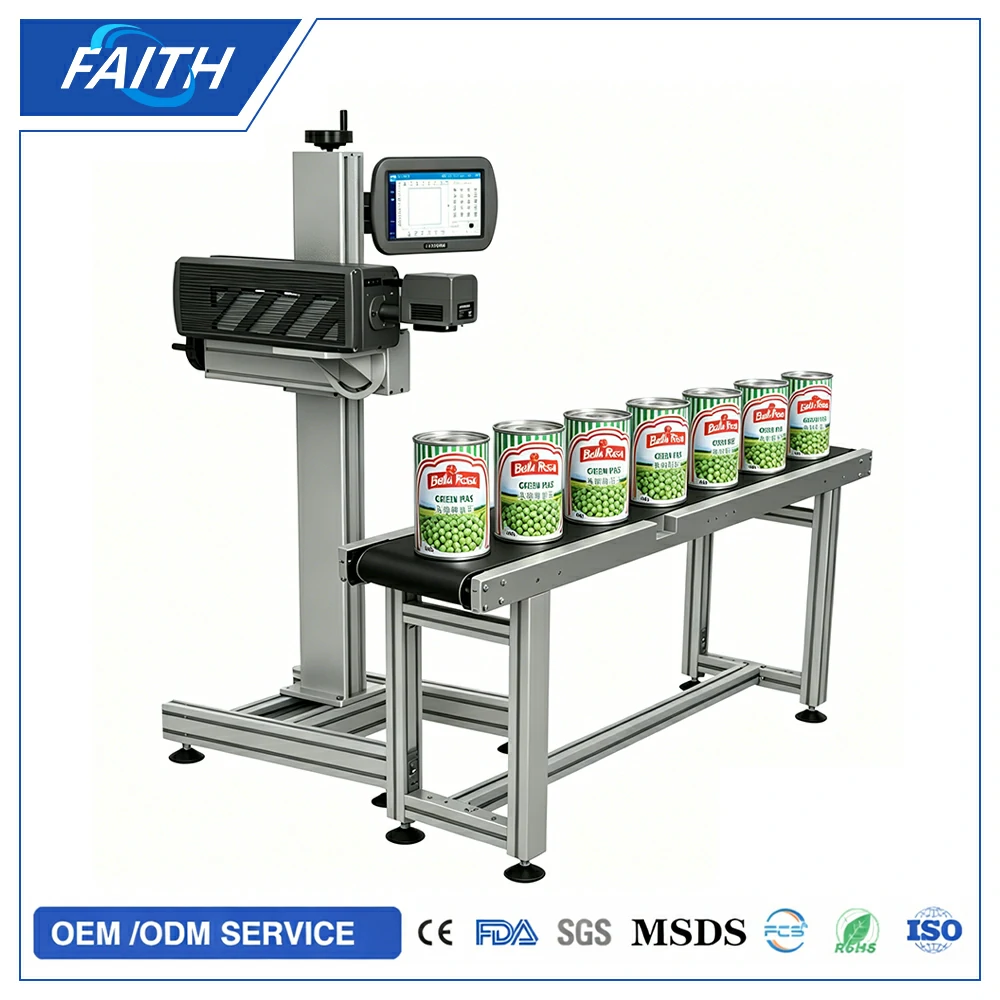
CO₂ laser marking is fully compatible with automated conveyor systems, making it ideal for continuous production environments.
The marking process is non-contact, meaning it does not damage or deform the PET bottle. It also eliminates the need for ink, reducing material cost and environmental impact.
Another advantage is high-speed operation, which allows manufacturers to keep up with large-scale production demands.
For PET beverage bottle packaging, CO₂ laser marking machines provide a clean, efficient, and sustainable coding solution. They replace traditional ink printing methods and ensure permanent, high-quality product identification.
In the cosmetics packaging industry, product appearance plays a crucial role in brand positioning. Glass bottles are widely used for perfumes, skincare products, and essential oils due to their premium look and chemical stability.
To achieve high-quality marking on glass, the most suitable technology is the UV laser marking machine.
Glass is a fragile and heat-sensitive material. Traditional laser systems may cause cracks, deformation, or surface damage due to thermal stress.
UV laser technology operates at a short wavelength, which allows “cold processing.” This means the energy is applied in a controlled way that minimizes heat impact on the material.
As a result, UV laser can mark glass surfaces without breaking or damaging them.
UV laser marking is widely used in cosmetic manufacturing for:
These applications require extremely fine detail and high visual quality.
UV laser marking produces extremely fine and sharp results, even on transparent or coated glass surfaces.
It ensures permanent marking without affecting the aesthetic appearance of the bottle, which is very important in luxury branding.
In addition, UV laser systems can also be used on some plastics and sensitive electronic components, making them highly versatile for precision industries.
For glass cosmetic bottles, UV laser marking machines offer the best balance of precision, safety, and visual quality. They ensure high-end branding results without damaging fragile materials, making them essential for premium packaging industries.
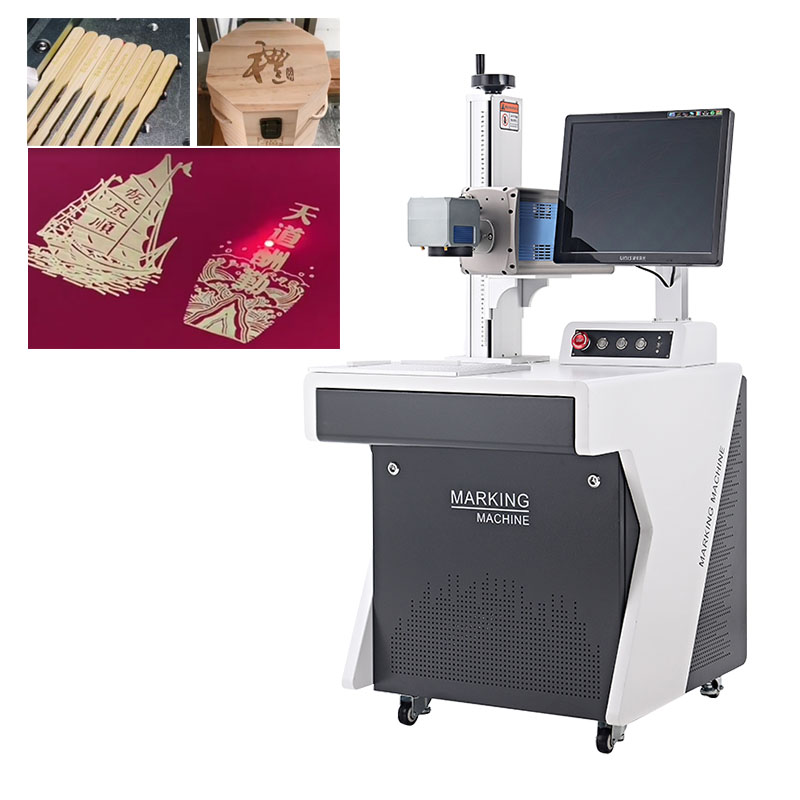
Please leave the message you want to inquiry. We will reply you as soon as possible within 24 hours.
Please leave the message you want to inquiry. We will reply you as soon as possible within 24 hours.