

For many metal parts manufacturers, marking is not just about putting a logo on a product. It is about traceability, production control, quality inspection, and long-term identification. In industries such as automotive parts, hardware tools, machinery components, stainless steel products, and metal nameplates, the mark must stay clear even after friction, oil, heat, transportation, and years of use.
This is one reason why more factories choose a fiber laser marking machine for metal parts.
Traditional marking methods, such as labels, ink printing, or manual engraving, can solve basic identification needs, but they often create new problems in production. Labels may fall off. Ink may fade or be removed by oil or cleaning agents. Manual engraving is slow and inconsistent. For metal parts that need permanent serial numbers, QR codes, batch numbers, logos, or production dates, these methods are not always stable enough.
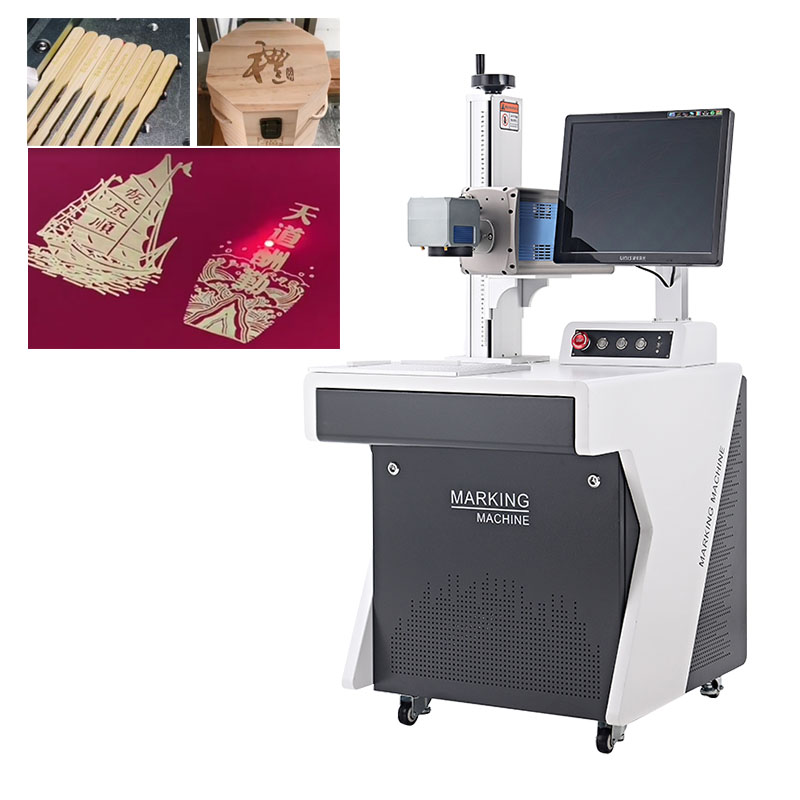
A fiber laser marking machine uses a focused laser beam to create permanent marks on the surface of metal materials. It can mark stainless steel, carbon steel, aluminum, iron, copper, brass, titanium, coated metal, alloy parts, and some hard plastics. The marking effect is clean, sharp, and difficult to remove. For factories that need stable product identification, this is a practical advantage.
In automotive parts production, fiber laser marking is widely used for engine parts, gears, bearings, brake parts, wheel hubs, metal plates, and other components. These parts often require serial numbers, batch codes, production dates, QR codes, or traceability codes. Once the parts enter the supply chain, each mark helps manufacturers track production batches, manage quality issues, and meet customer requirements.
For hardware and tool manufacturers, fiber laser marking is also useful. Wrenches, pliers, drill bits, knives, measuring tools, metal boxes, locks, and fasteners can all be marked with logos, size information, model numbers, or barcodes. Compared with stickers or surface printing, laser marking gives the product a more professional appearance and improves brand recognition.
Another important point is cost control. Fiber laser marking does not require ink, solvent, printing plates, or labels. After the machine is installed, daily operation mainly involves electricity and basic maintenance. For factories with continuous production, this can reduce consumable costs over time. It also helps reduce downtime caused by ink replacement, nozzle cleaning, or label material problems.
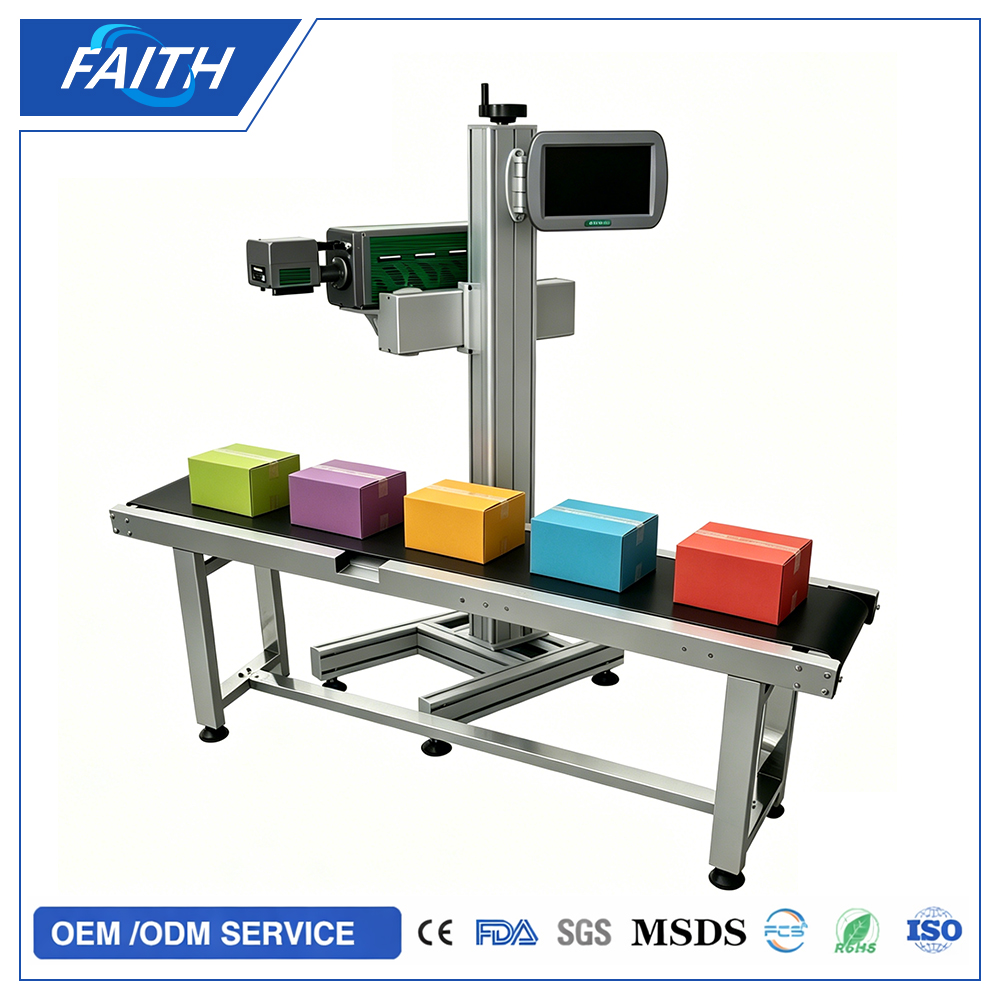
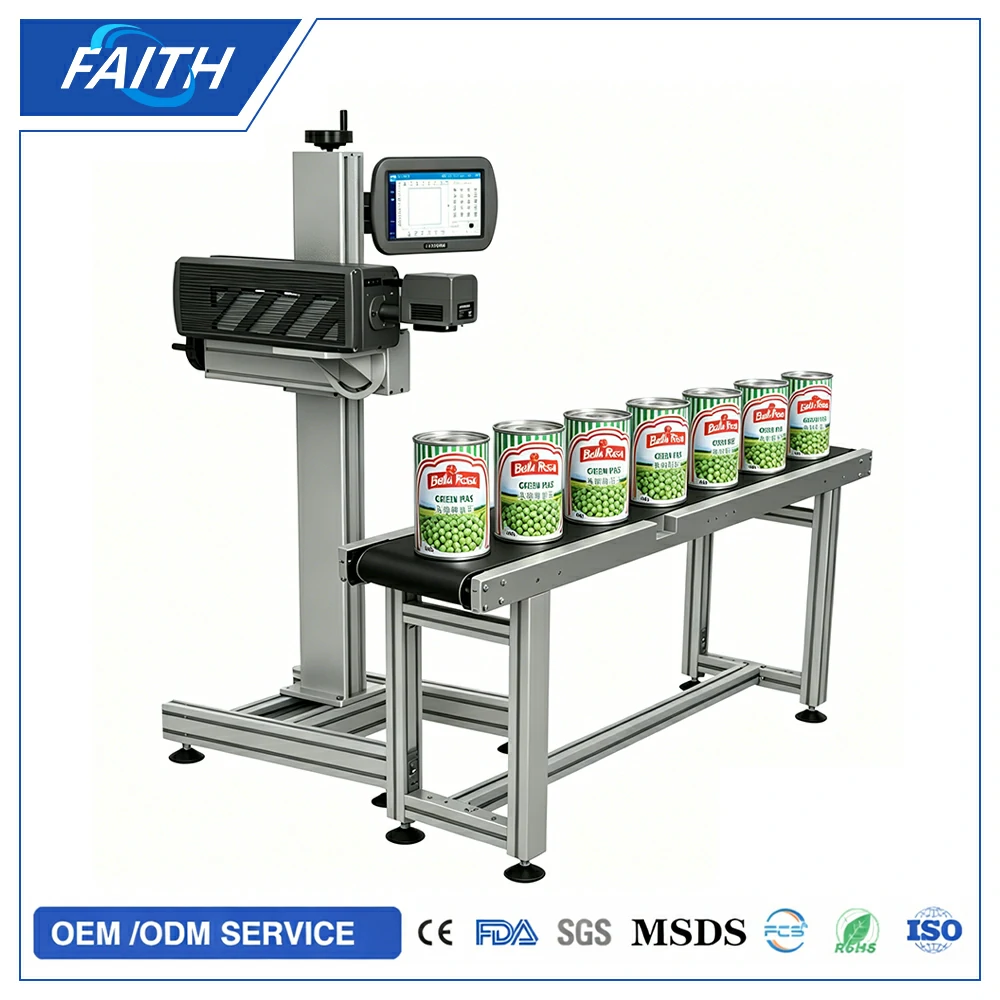
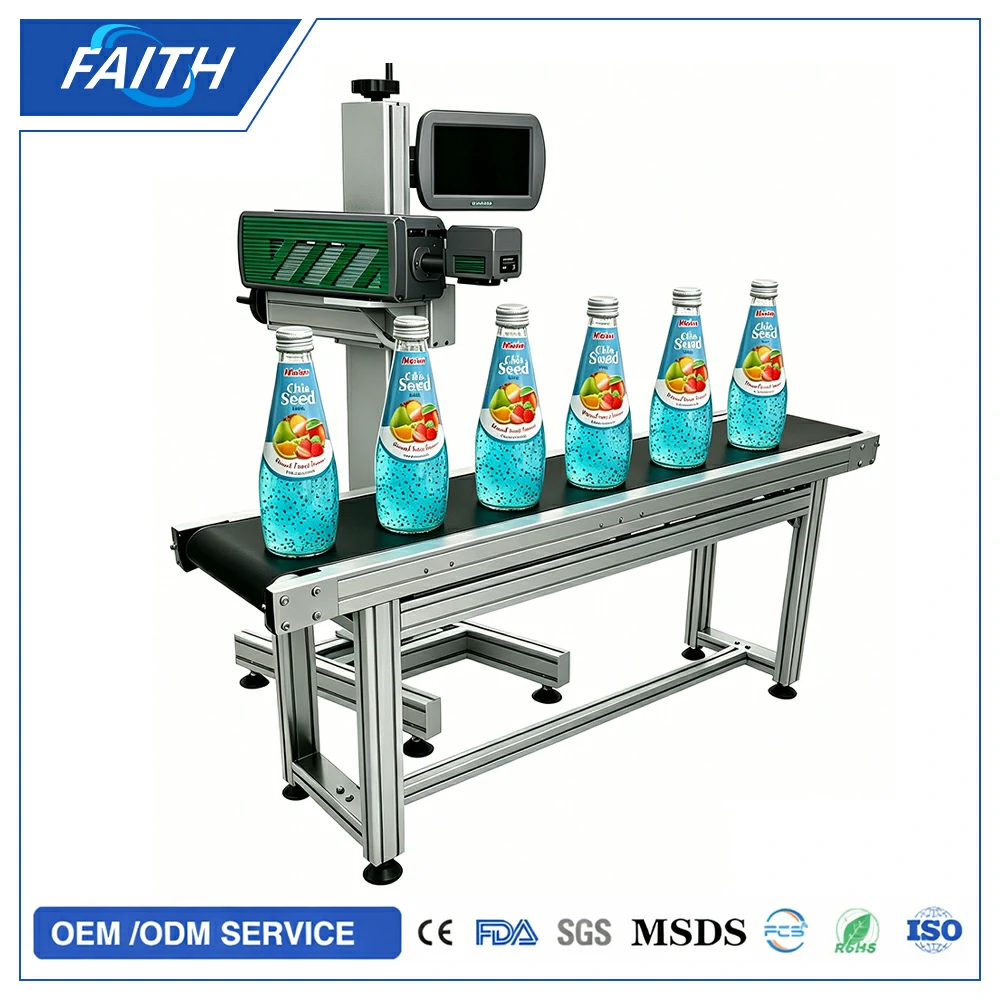
Marking quality is also more consistent. When a factory produces thousands of metal parts every day, manual marking or low-quality printing can easily lead to uneven depth, unclear characters, or wrong positions. A laser marking machine can work with fixtures, rotary devices, conveyor systems, or automatic loading equipment to keep the marking position stable. This is especially helpful for mass production.
For buyers, one common question is: what power should be selected? For most metal logo marking, serial numbers, QR codes, and shallow surface marking, 20W or 30W fiber Laser marking machines are commonly used. For deeper marking, faster production speed, or harder metal materials, 50W or higher power may be more suitable. The final choice depends on the material, marking depth, marking speed, and production requirement.
The marking area is another factor. Common working areas include 110×110 mm, 150×150 mm, 175×175 mm, and larger customized sizes. A smaller lens can offer finer marking details, while a larger lens is useful for bigger products. If the customer needs to mark round products such as metal cups, pipes, rings, or shafts, a rotary device can be added.
For large or heavy metal parts, a handheld fiber laser marking machine can be a better option. Some products cannot be easily placed under a desktop machine, such as large steel plates, machinery frames, pipes, molds, or assembled equipment. A handheld laser head allows operators to mark directly on the product surface without moving the whole part.
When choosing a supplier, buyers should not only compare machine price. They should also check the laser source, marking software, cooling method, fixture options, machine structure, after-sales support, and whether the supplier can provide sample testing before order confirmation. For industrial buyers, a clear marking sample is often more convincing than a long specification list.
A good fiber laser marking machine should help the factory solve real production problems: permanent identification, clear traceability, lower consumable cost, stable marking quality, and easier production management. For metal parts manufacturers, it is not only a marking machine, but also a practical tool for improving product control and brand value.
Please leave the message you want to inquiry. We will reply you as soon as possible within 24 hours.
Please leave the message you want to inquiry. We will reply you as soon as possible within 24 hours.