Why Small and Mid-Size Factories Gradually Replace Traditional marking with Desktop Laser Machines
Most component processing factories have long struggled with unstable part identification quality. Many workshops still rely on inkjet printing, adhesive labels, or manual stamping for daily marking tasks. These low-cost methods work for temporary domestic orders, but they create consistent troubles for batch production and export shipments. Ink marks fade after oil contamination and high-temperature processing. Paper labels peel off during packaging and long-distance shipping. Manual stamping produces uneven depth and offset positions, leading to inconsistent finished quality across batches.
These minor quality differences often trigger major problems. Overseas buyers strictly check part traceability and surface consistency. Faded codes and messy manual marks directly result in order returns, quality deductions, and long-term supplier qualification reviews. Many factory owners switch to desktop
laser marking equipment precisely to eliminate these uncontrollable manual errors.
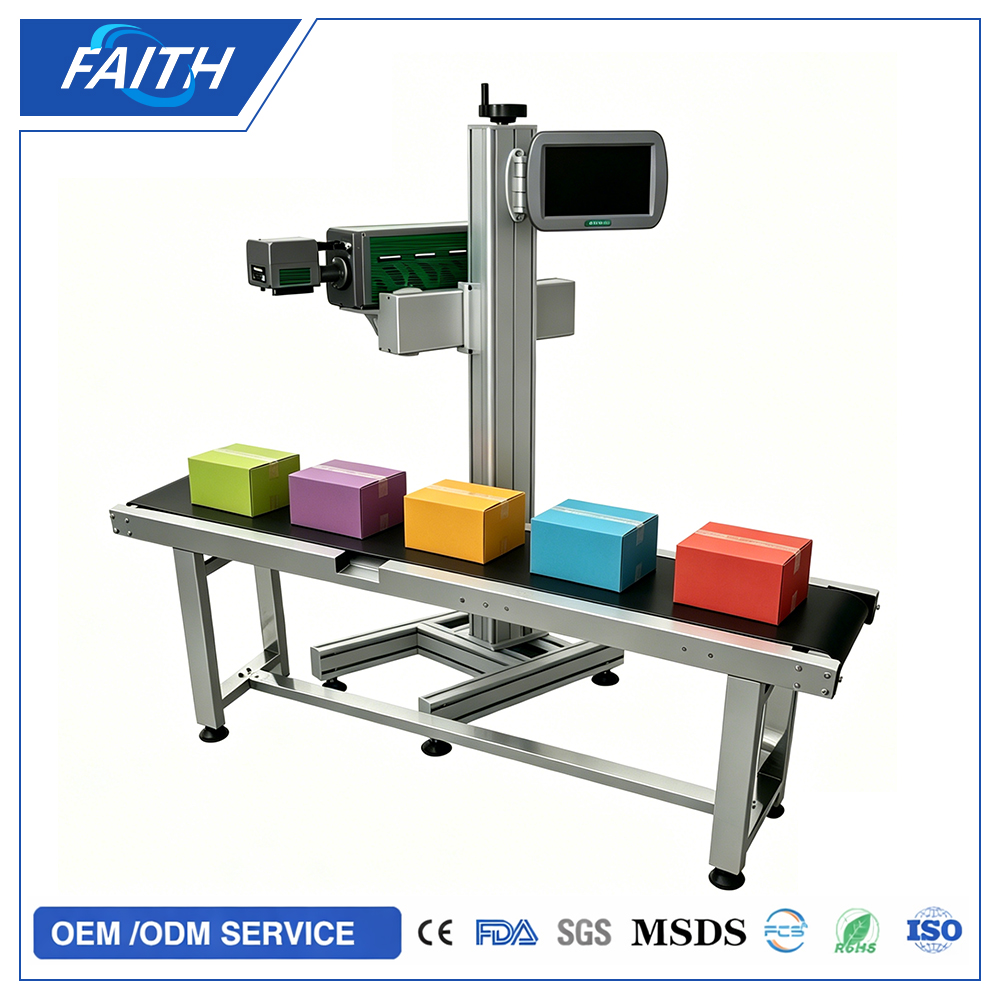
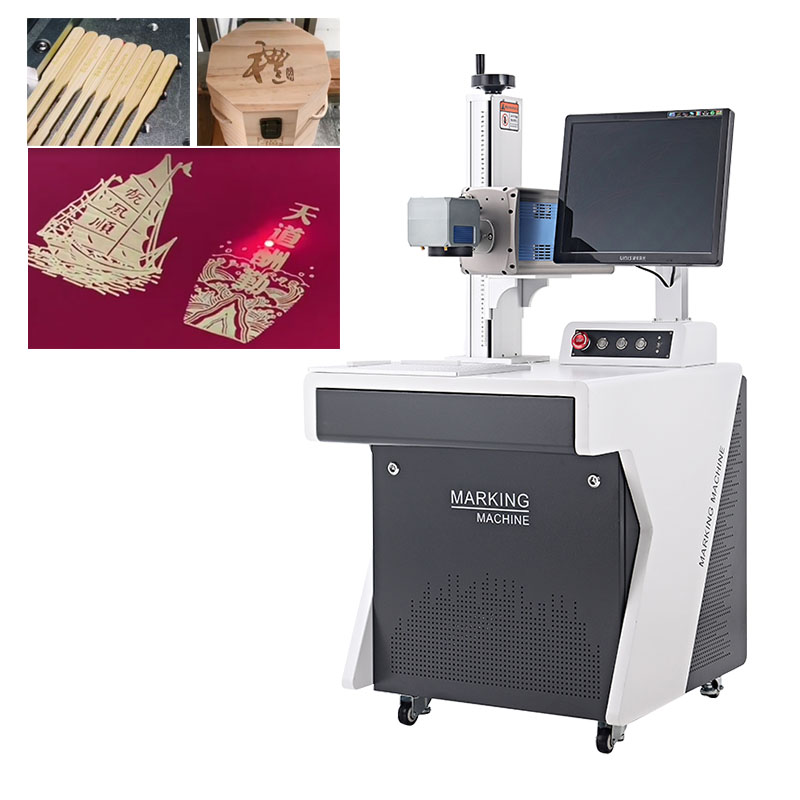
Different from bulky industrial integrated equipment, desktop laser markers adopt a compact tabletop structure. The overall footprint is small enough to fit on standard workshop workbenches, requiring no special foundation installation or large-area production space. The complete machine weight is moderate, stable after fixed placement, and hardly vibrates during long-term operation. Operators can finish focusing, pattern importing, and parameter setting on the built-in control panel. New workers can master daily operation within half an hour, without professional laser technology background.
Early low-cost portable laser devices commonly suffered from unstable light sources. Long-hour operation caused heat accumulation, resulting in shallow marking, blurred edges, and inconsistent color depth on stainless steel and aluminum surfaces. Desktop fiber laser models solve this problem well. The internal optical path structure is fixed, with low heat generation and stable power output. Continuous marking for ten hours maintains uniform texture and clear fonts on each workpiece.
The equipment adapts to most conventional industrial materials. Hardened steel parts, stainless steel fasteners, oxidized aluminum accessories, plastic shells, and hardware nameplates can all achieve high-precision permanent marking. Factories producing auto parts, hardware tools, and electronic accessories use it for batch printing of serial numbers, production dates, batch codes, customer part numbers, and brand logos. The mark never fades or falls off during polishing, oxidation, and surface cleaning processes.
For small-batch customization and multi-style order production, desktop laser equipment shows stronger practicability than assembly-line fixed marking machines. Workshops often need to switch product styles and mark content multiple times a day. The system supports one-click saving of parameter templates. After replacing workpieces, calling the corresponding template can complete standard marking quickly, greatly reducing repeated debugging time and improving overall workshop efficiency.


Please leave the message you want to inquiry. We will reply you as soon as possible within 24 hours.