

A packaging factory usually has many small problems that outsiders do not notice. The carton surface is not always flat. Paper bags absorb ink differently from coated boxes. Wooden products may have natural grain, dust, or moisture. Leather tags can burn if the marking setting is not controlled well. When the customer asks for a logo, batch code, date, or custom design, the old printing method may not be flexible enough.
Some factories start with screen printing. It is cheap for large orders, but it needs plates, ink, drying time, and skilled workers. When the customer changes the logo or asks for a small batch, the cost becomes uncomfortable. Labels are faster, but they may peel off or look cheap on premium packaging. Inkjet printing is useful for dates and simple codes, but it may not give the engraved effect that wood, leather, and craft products need.
This is where a CO2 laser marking machine becomes useful.
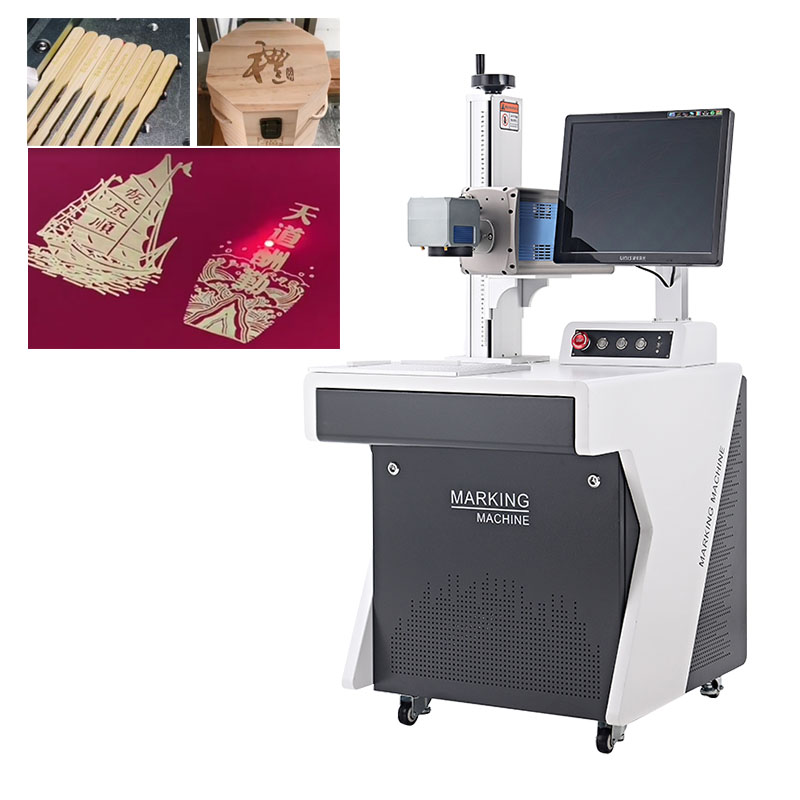
CO2 Laser Marking is more suitable for non-metal materials such as paper, cardboard, wood, bamboo, leather, acrylic, rubber, glass coating, plastic packaging, fabric, and some organic materials. It is widely used in packaging, gifts, advertising signs, furniture, food boxes, cosmetic boxes, stationery, handmade products, and light industrial production.
A small workshop may use the machine to mark wooden keychains, leather labels, kraft paper boxes, or acrylic tags. A packaging supplier may use it for brand logos, production dates, decorative patterns, or simple personalization. A factory that produces cardboard boxes may use CO2 laser marking when it wants a clean, dry, and permanent mark without ink consumption.
One of the biggest reasons customers change to CO2 laser marking is flexibility. There is no need to make a printing plate for every new design. The operator can import a file, adjust the size, set the marking position, and test it directly. For short runs and customized orders, this saves time.
In export factories, order quantities are not always stable. One customer may need 500 wooden boxes with a logo this week. Another customer may need 2,000 paper packages with a different layout next week. If every change needs a plate or outsourced printing, production becomes slow. With a CO2 laser marking machine in the workshop, sample making and small batch production become much easier.
Material testing is still very important. Wood is a good example. Pine, beech, bamboo, plywood, and MDF do not react in the same way. Some wood becomes dark and clear after marking. Some may need lower power to avoid too much burning. Leather also needs careful adjustment because customers usually care about the surface feel and appearance. A luxury leather tag cannot look over-burned or dirty.
For paper packaging, buyers often ask whether the laser will cut through the box. The answer depends on power, speed, and material thickness. A good setting should create a visible mark without damaging the structure. If the box is very thin, testing is necessary. For kraft paper bags, the laser can create a natural dark mark, which fits many coffee, bakery, tea, and handmade product brands.
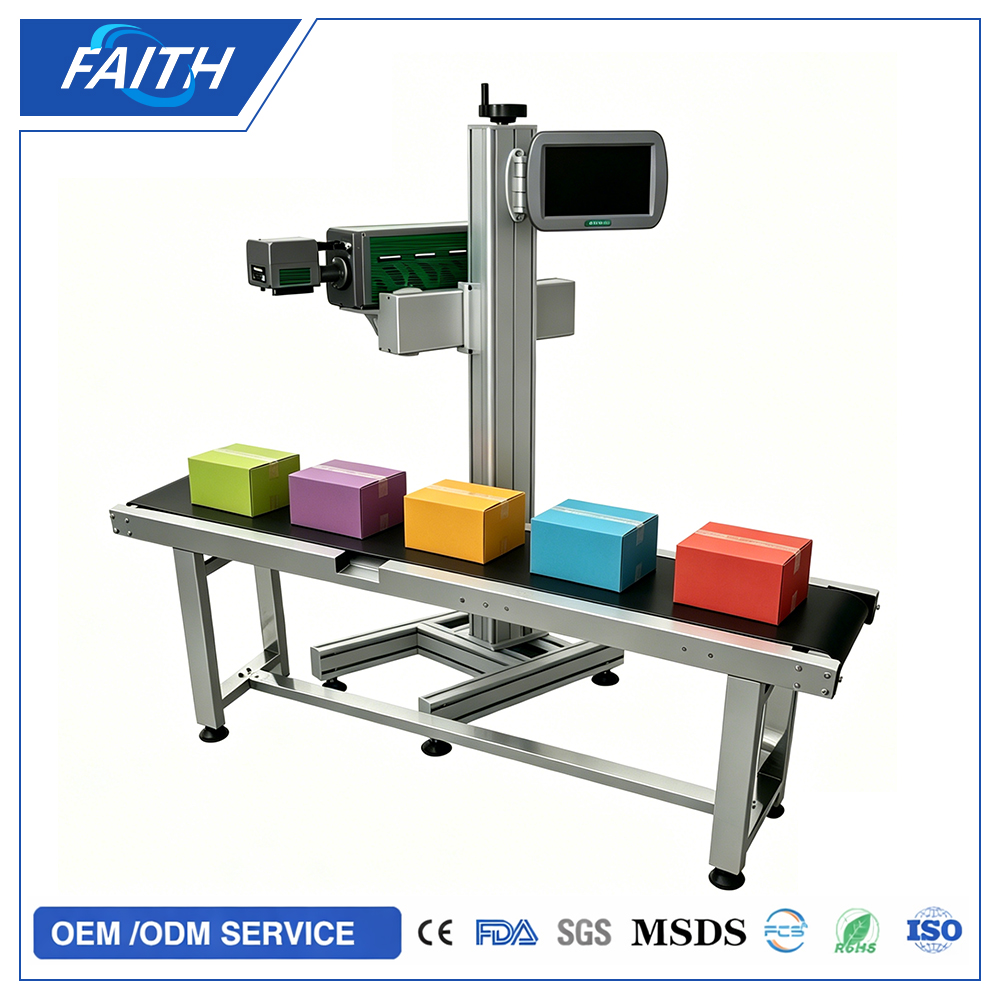
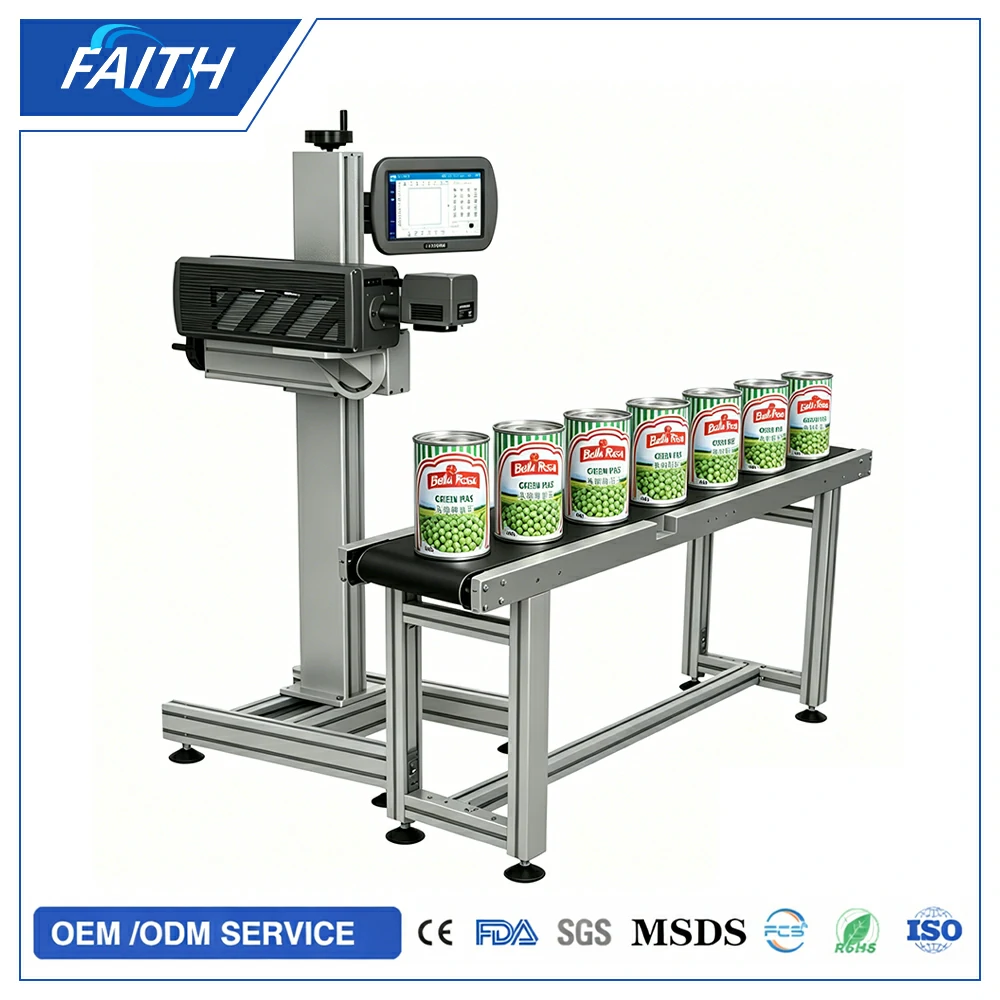
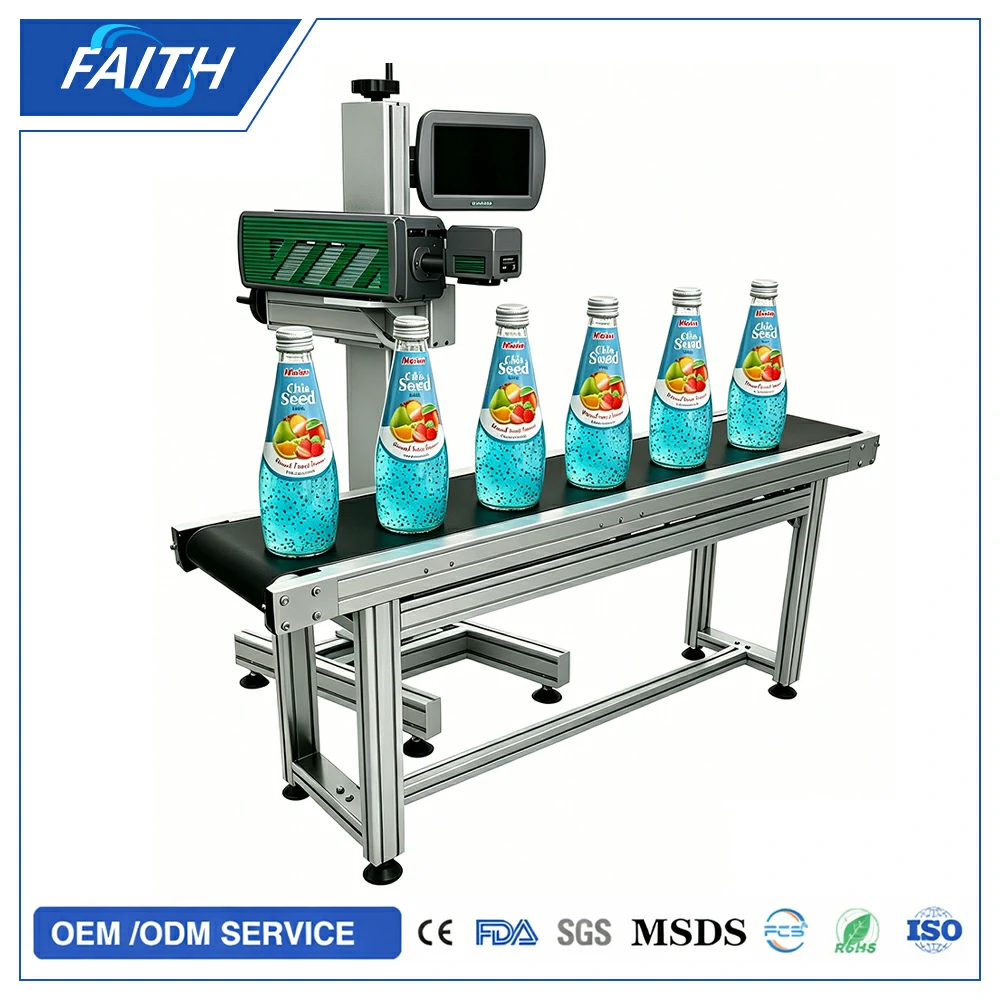
The machine size depends on the product. A desktop CO2 laser marking machine is suitable for small boxes, wooden pieces, cards, tags, and light products. Larger products may need a bigger working table or a flying CO2 laser marking system connected with a conveyor. For factories that already have a packaging line, online marking can reduce manual handling.
A common factory scene is simple: products move on a conveyor, the sensor detects the package, and the CO2 laser marks the date, batch number, or logo on the moving surface. This is different from manual desktop marking. It is better for high-volume packaging lines where speed and position consistency matter.
CO2 laser also reduces some consumable problems. No ink cartridge, no ribbon, no label roll, and no drying time. This does not mean the machine has no cost. The buyer still needs to consider lens cleaning, smoke exhaust, material dust, and regular maintenance. For wood and leather, smoke extraction is especially important. Without proper ventilation, the working area will smell and the lens may get dirty faster.
A serious buyer should ask more than the price. They should provide product size, material photos, marking content, production speed, and whether the machine will be used manually or online. If the supplier can mark real samples before shipping, the customer can check the effect before making a decision.
For distributors, CO2 Laser marking machines are suitable for customers in packaging, gift customization, woodworking, leather goods, advertising, stationery, and e-commerce product customization. These industries often need flexible designs and small-batch production, so the machine is easier to demonstrate with real samples.
CO2 laser marking is not a replacement for every printer. If a factory only needs variable black date coding on plastic bottles, an inkjet printer may be enough. If the product is stainless steel, fiber laser is a better choice. But for paper, wood, leather, acrylic, and many packaging materials, CO2 laser marking gives a different kind of value: clean processing, no plate cost, flexible design, and a professional product finish.
For many factories, the decision is not made because the old method completely failed. It is made because the old method is too slow, too messy, or too expensive when orders become more customized. A CO2 laser marking machine helps them handle those changes inside the factory.
Please leave the message you want to inquiry. We will reply you as soon as possible within 24 hours.
Please leave the message you want to inquiry. We will reply you as soon as possible within 24 hours.