

In modern manufacturing, metal components are everywhere — from automobile parts to precision instruments, from electronic connectors to industrial tools. Clear, permanent markings on metal surfaces are essential not only for traceability and identification but also for brand authenticity, compliance, and quality control.
Among the marking technologies currently available, laser marking machines stand out as a flexible, high‑precision, and cost‑effective solution for marking various metals, including copper, iron, aluminum, stainless steel, and more.
In this article, we explore why laser marking is ideal for metals, key applications across industries, and how solutions like the Portable Desktop Fiber Laser Marking Machine from FaithMarking deliver exceptional performance.

Laser marking uses a focused beam of light to create permanent marks by altering the surface structure of a material. On metals, this process offers unique benefits:
Laser beams can create ultra‑fine marks without physical contact, ensuring high accuracy even on small or complex parts. This is essential for serial numbers, QR codes, part IDs, and micro‑engraving.
Unlike inkjet or pad printing, laser marks are not affected by abrasion, heat, chemicals, or outdoor exposure. This makes them suitable for parts exposed to harsh environments.
Since no tools physically touch the metal surface, there is no wear and tear, no consumables like inks or chemicals, and no damage to the material. This reduces maintenance costs and improves uptime.
Fiber laser systems work effectively on:
These features make laser marking the preferred choice for many industries requiring precision and reliability.
Laser marking is widely used across sectors where metal parts need permanent, high‑quality identification:
The automotive sector relies on laser marking for:
Laser marking ensures traceability throughout the supply chain and enhances quality control.
Modern electronics often involve micro‑components:
Laser marking delivers clear, fine, high‑resolution marks that traditional methods struggle to achieve.
Parts in aviation and defense must maintain safety and compliance:
Laser marking delivers reliability that meets strict industry standards.
Medical tools and implants require:
Laser marks on surgical tools, implants, and instruments are durable and readable even after repeated sterilization.
Tools such as drills, sockets, wrenches, and dies benefit from:
Laser marking delivers clean, permanent, tamper‑proof labels that never wear off.
For premium metal products like watches, jewelry, hardware, and accessories, laser marking can enhance brand image with:
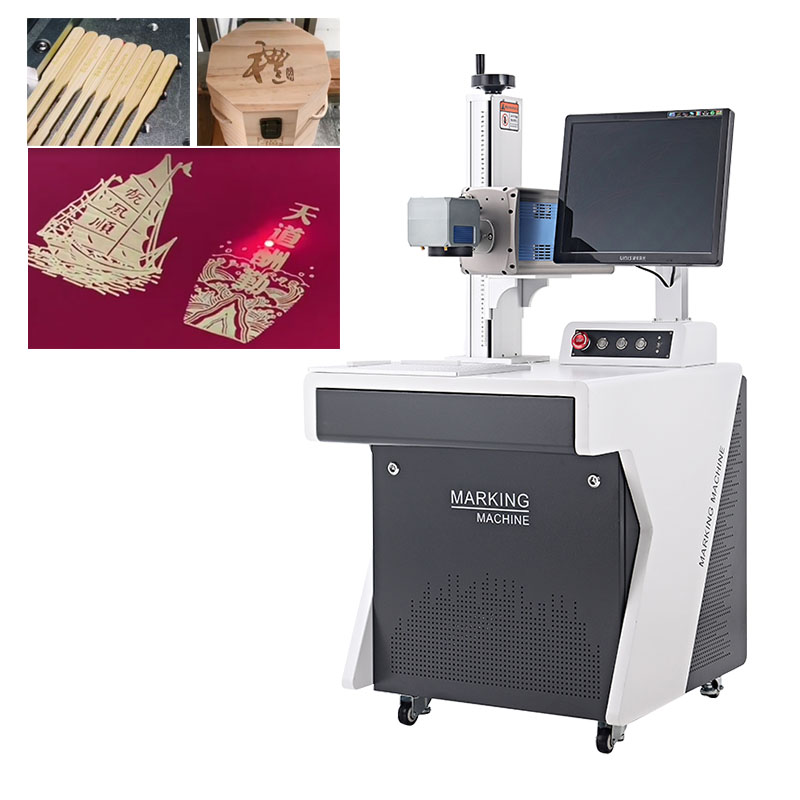
For businesses that need a flexible yet powerful solution, the Portable Desktop Fiber Laser Marking Machine from FaithMarking is an excellent choice.
This machine is designed to handle copper, iron, aluminum, and other metals with precision and speed. Its compact footprint makes it suitable for workshops, production lines, or mobile marking applications where space and versatility matter.
Different metals have unique properties, and laser marking adapts accordingly:
Copper is highly reflective, making traditional marking difficult. The fiber laser in this machine minimizes reflectivity issues and delivers clear, high‑contrast marks without overheating the surface.
Lasers produce deep, permanent marks that withstand heat, friction, and environmental stress — ideal for industrial components and heavy machinery parts.
Aluminum responds well to laser marking, yielding crisp, dark engravings — perfect for logos, serial codes, and traceability marks.
This machine’s precision optics and control software allow operators to adjust settings for specific material types, ensuring consistent results across various metals.
Here are common examples of marks that laser marking machines handle on metal:
✔ Serial & batch numbers
✔ QR codes for automated tracking
✔ Barcode and data matrix codes
✔ Company logos and branding
✔ Technical specifications
✔ Compliance and certification marks
✔ Production dates and batch IDs
These marks remain legible and permanent throughout the product’s lifespan.
When evaluating laser marking machines for metal applications, consider the following:
Ensure the machine is designed for the specific metals you use most often.
High resolution is crucial for tiny parts, while larger graphics require flexible workspace and optics.
Easy‑to‑use software that supports complex designs and automation improves productivity.
Reliable technical support ensures uptime and continuous production performance.
Laser marking technology has revolutionized how industries label, track, and brand metal components. With unmatched precision, durability, and adaptability, fiber laser marking systems like the Portable Desktop Fiber Laser Marking Machine provide cutting‑edge solutions for manufacturers dealing with copper, iron, aluminum, and other metals.
Whether your goal is to improve product traceability, professionalize branding, or meet strict industrial labeling standards, fiber laser marking machines are an indispensable tool in modern manufacturing.
Please leave the message you want to inquiry. We will reply you as soon as possible within 24 hours.
Please leave the message you want to inquiry. We will reply you as soon as possible within 24 hours.